Mindful Movement Practices for Stress Relief and Body Awareness
Published on April 22, 2026 | Updated on June 16, 2026

Laura Mitchell
Laura is a wellness content creator specializing in holistic health and movement for healthy aging. As an expert in Tai Chi and Qigong, she passionately integrates Chinese wellness practices into her daily lifestyle.
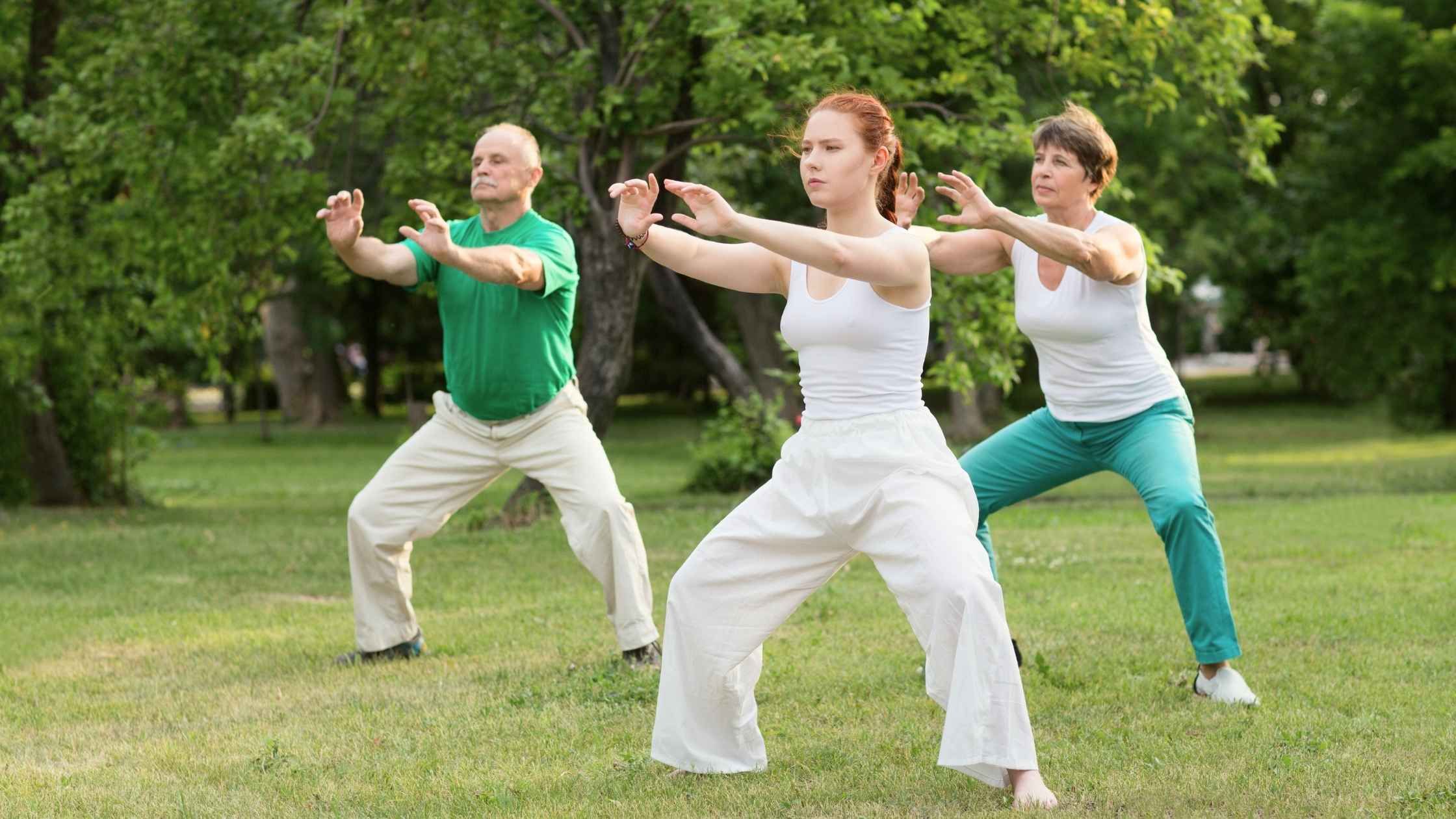
Mindful movement practices combine physical motion with focused awareness of breath and bodily sensations to reduce stress and improve overall well-being. Unlike regular exercise, which often happens on autopilot, these practices ask you to stay fully present with your body's experience from moment to moment.
This guide covers the science-backed benefits, five types of mindful movement worth exploring, and practical exercises you can try today—even if you've never practiced before.
What Are Mindful Movement Practices
Mindful movement practices combine physical motion with focused awareness of breath and bodily sensations to reduce stress and improve well-being. Unlike regular exercise performed on autopilot, mindful movement asks you to stay fully present with your body's experience from moment to moment. The approach draws from ancient traditions, including Traditional Chinese Medicine, and centers on three core elements working together.
- Breath synchronization: Consciously coordinating your inhales and exhales with each movement
- Body sensation focus: Paying close attention to physical feelings like muscle engagement, balance, and the feeling of your feet on the ground
- Present-moment awareness: Gently returning your focus to your body and breath whenever the mind wanders, without judgment
That third element matters most. The goal isn't to achieve a perfectly quiet mind. Instead, it's about noticing when you've drifted and coming back, over and over. Think of it like training a muscle—each time you redirect your attention, you're building the skill.
Science-Backed Benefits of Mindful Movement
Research supports several meaningful outcomes for both mental and physical health. Most of the evidence points toward stress relief and improved body awareness as the primary benefits, though the effects extend further.
- Reduced stress and anxiety: Focusing on breath and physical sensation activates the parasympathetic nervous system, which is your body's "rest and digest" state. This process helps lower cortisol levels, leading to a sense of calm (source)
- Greater body awareness: Mindful movement trains interoception, which is your ability to sense internal body signals like hunger, fatigue, and emotional shifts (source)
- Improved emotional regulation: Enhanced body awareness links directly to better emotional management, since you learn to recognize the physical signs that come before emotional responses (source)
- Sharper focus: The act of repeatedly returning attention to physical sensations strengthens your ability to concentrate throughout the day (source)
- Better balance and flexibility: The slow, intentional nature of practices like tai chi naturally improves physical stability and coordination (source)
Five Types of Mindful Movement to Explore
Each practice offers a different entry point into mindful movement. The best choice often depends on whether you prefer structure or simplicity, and whether movement or stillness feels more natural to you.
Tai Chi
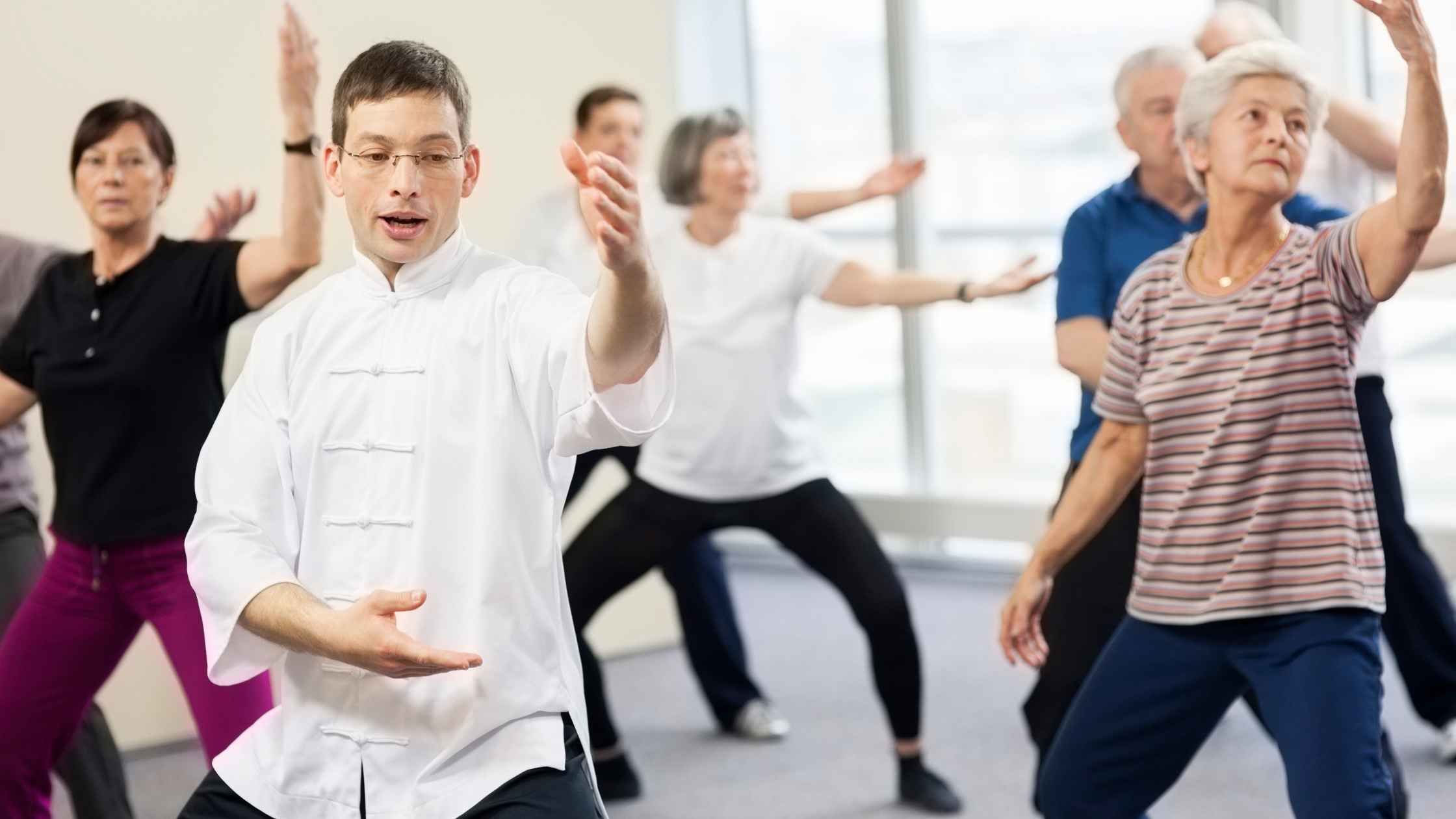
A distinguishing feature is its focus on cultivating qi, or life energy, through continuous, connected movement patterns. In Traditional Chinese Medicine, qi refers to the vital energy that flows through the body along pathways called meridians. Sessions typically last 10 to 20 minutes, though even shorter practice offers benefits.
Qigong
Where Tai Chi emphasizes flowing sequences, Qigong tends toward simpler, more repetitive movements. This simplicity makes qigong particularly accessible for beginners who want to start with something straightforward.
Yoga
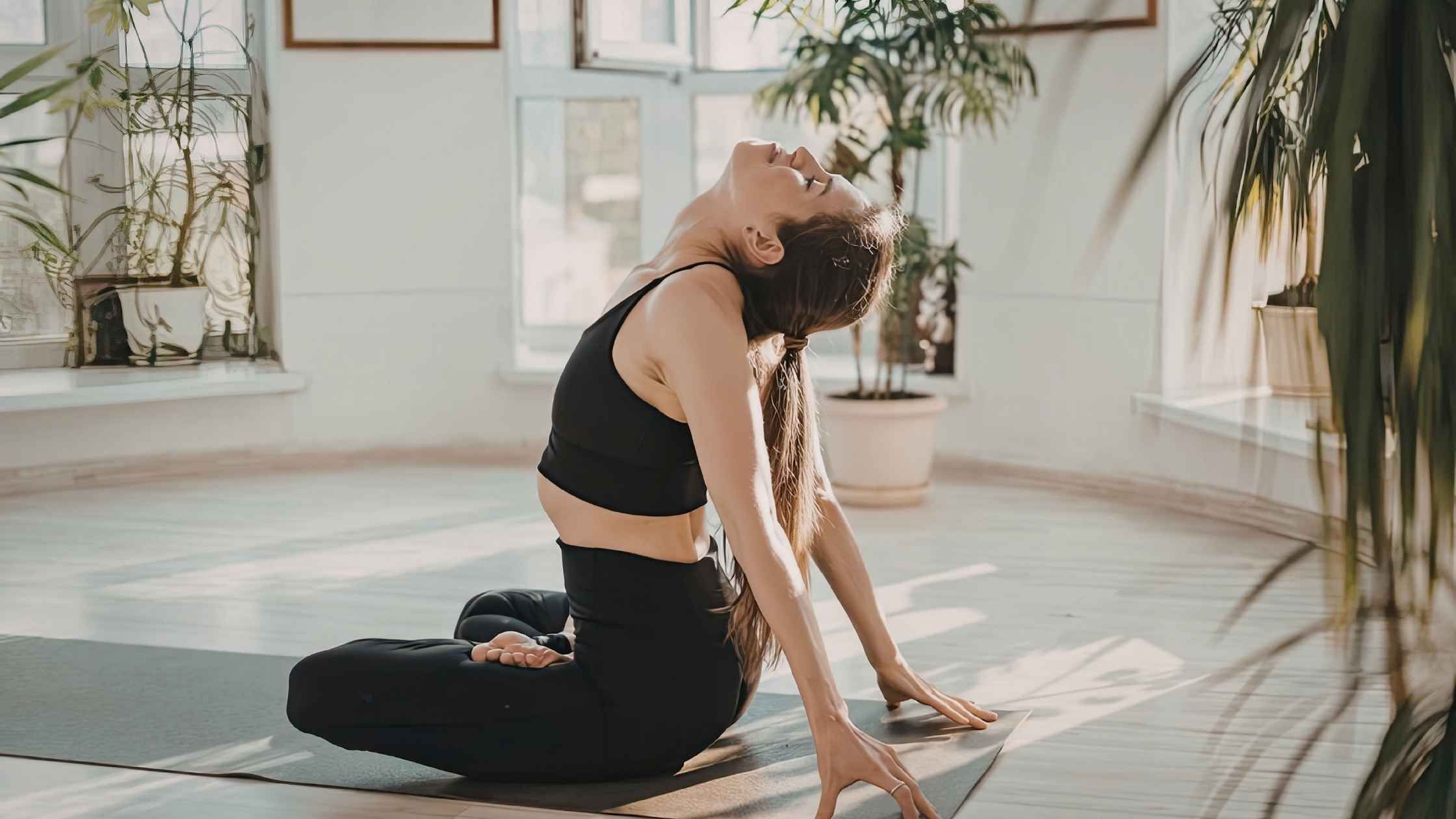
Yoga synchronizes physical poses with breath to build strength, increase flexibility, and cultivate presence. With styles ranging from gentle and restorative to physically vigorous, there's a form suitable for nearly every body and goal.
Mindful Walking
Mindful walking transforms a simple walk into a meditative experience by focusing intentionally on the physical sensations of movement. You pay attention to the feeling of your feet lifting, moving through the air, and touching the ground.
The distinguishing feature here is accessibility. You can practice mindful walking anywhere—indoors or outdoors—without any training or equipment. It's one of the easiest ways to start.
Breathwork and Gentle Stretching
Breathwork combined with gentle stretching is perhaps the most accessible entry point for beginners. Simple standing or seated stretches synchronized with inhales and exhales can immediately connect you to your body.
A basic example: raise your arms overhead on an inhale, lower them on an exhale. That's mindful movement in its simplest form, and it takes less than a minute.
How Mindful Movement Develops Body Awareness
Mindful movement trains the brain to notice subtle body signals by consistently focusing attention on physical sensations during activity. Over time, this develops two related skills.
The first is proprioception, which is your sense of body position in space. The second is interoception, which is your sense of the body's internal state—things like hunger, fatigue, and emotional shifts.
With regular practice, you start to notice patterns you previously missed:
- Muscle tension: Identifying specific areas where you hold stress, like the jaw, shoulders, or lower back
- Breath quality: Recognizing the difference between shallow, stress-induced breathing and deep, restorative breaths
- Postural habits: Becoming aware of alignment and how you carry yourself throughout the day
- Energy levels: Sensing signals of fatigue or vitality and learning to respond accordingly
Mindful Movement Exercises for Beginners
Here are five specific exercises you can try today. Each takes just a few minutes and requires no equipment.
1. Five-Minute Breathing Body Scan
A body scan is a foundational exercise that can be done standing or lying down. Start by closing your eyes and taking three deep breaths. Then bring your attention to the top of your head, noticing any sensations there.
Slowly scan your awareness down through your face, neck, shoulders, and arms. Breathe into any areas of tension you notice. Continue through your torso, legs, and all the way to your toes. The whole process takes about five minutes.
2. Standing Meditation From Tai Chi
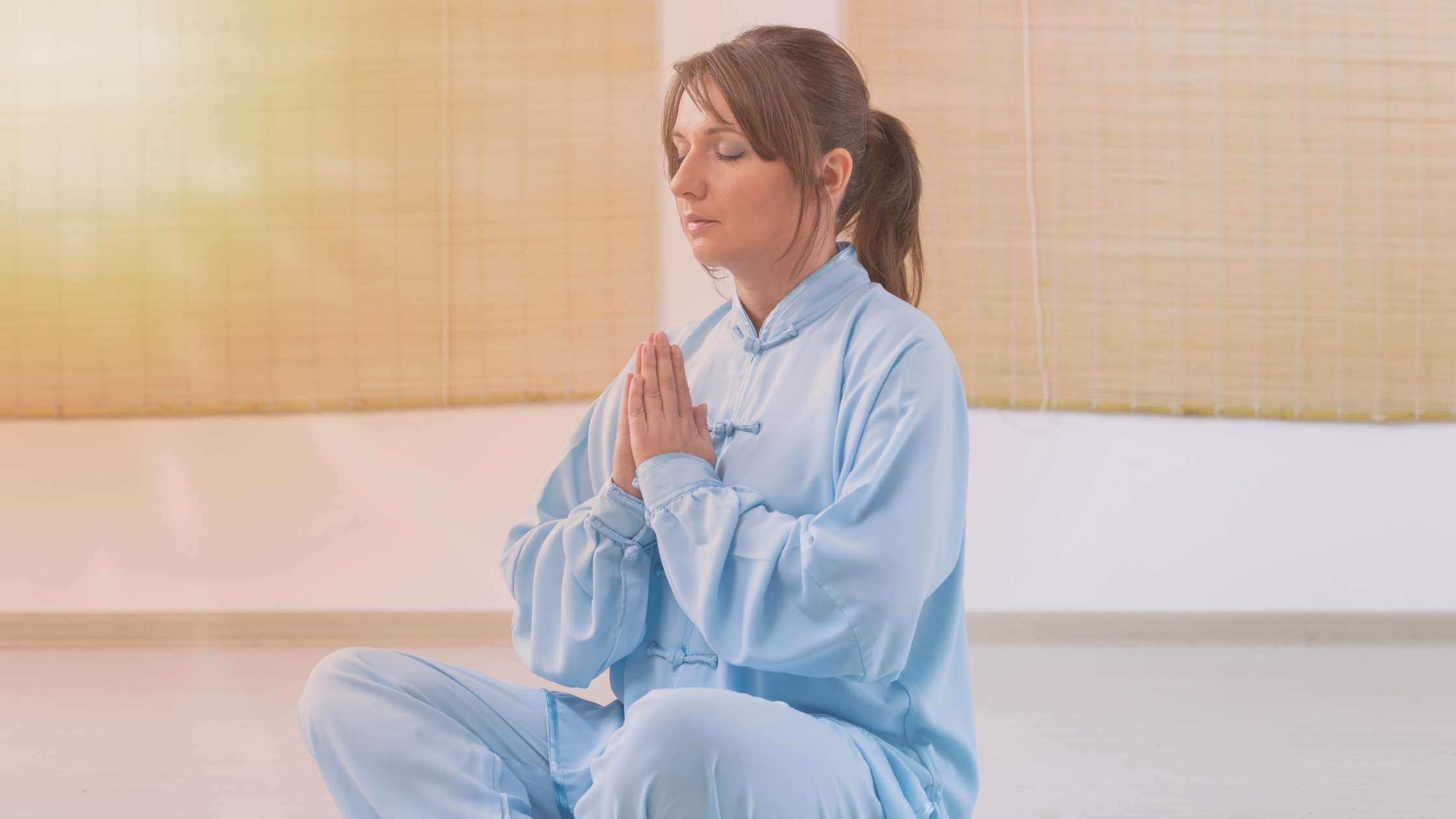
Known as "Zhan Zhuang" in Chinese, standing meditation builds grounding and focus through stillness. Stand with feet hip-width apart and knees slightly bent. Relax your shoulders and let your arms hang loosely, or hold them in front of you as if hugging a tree.
Breathe deeply into your lower abdomen, feeling your feet rooted to the ground. Hold for two to five minutes, focusing on the sensation of stillness and stability.
3. Simple Qigong Energy Flow Sequence
This standing stretch coordinates breath and movement to promote energy flow. Stand with feet shoulder-width apart, knees soft. As you inhale, slowly raise your arms out to the sides and up overhead. As you exhale, slowly lower them back down.
Match the speed of your movement to the length of your breath. Repeat for one to two minutes. The key is making the movement continuous and smooth rather than choppy.
4. Sensory Mindful Walking Practice
You can practice mindful walking for any duration, indoors or outdoors. Begin walking at a slower-than-usual pace and focus your attention on the soles of your feet.
Notice the sensation of lifting one foot, moving it through the air, and placing it back down. Observe the texture of the ground and the rhythm of your steps. When your mind wanders to other thoughts, gently bring it back to your feet.

5. Gentle Morning Stretch Routine
A morning stretch routine fits easily into any schedule and helps wake up the body with awareness.
- Neck rolls: Seated or standing, gently drop your chin to your chest and slowly roll your right ear toward your right shoulder. Inhale, and on the exhale, return to center and repeat on the left.
- Side bends: Inhale as you raise one arm overhead. Exhale as you gently bend to the opposite side. Switch sides.
- Forward fold: Exhale as you hinge at the hips and gently fold forward, keeping your knees soft. Let your head hang heavy.
How to Start a Mindful Movement Practice
Building a sustainable habit comes down to a few practical steps. The most important factor is consistency rather than duration.
1. Choose a Practice That Matches Your Goals
| Goal | Recommended Practice |
|---|---|
| Stress relief | Tai chi, qigong, or breathwork |
| Flexibility and strength | Yoga |
| Boosting energy | Qigong |
| Easy accessibility | Mindful walking |
2. Set a Consistent Time and Quiet Space
Pick a time that works for you, whether first thing in the morning or as an evening wind-down. You don't need special equipment—just a calm space where you won't be interrupted. Many people find that linking practice to an existing habit, like right after brushing teeth, helps it stick.
3. Begin With Short Daily Sessions
Starting with five to ten minutes a day is more effective for habit-building than one long session per week. Brief daily practice tends to produce better results than sporadic longer sessions because the nervous system benefits from regular, repeated exposure.
4. Focus on Breath and Physical Sensation
This is the core technique across all mindful movement practices. As you move, synchronize your breath with the action. When you notice your mind has wandered—and it will—gently return your attention to the physical sensations in your body without judgment.
5. Track Your Progress Over Time
Logging your mood, energy levels, and practice streaks can be motivating. Seeing patterns over weeks and months helps reinforce the habit and reveals subtle improvements you might otherwise miss.
Tip: Explore guided beginner-friendly mindful movement programs in the ZenFit app.
How Often to Practice Mindful Movement
For the best results, aim for short, daily sessions rather than infrequent long ones. Even brief mindful activities integrated into routine tasks can contribute to your overall practice.
- For busy schedules: Five to ten minute sessions in the morning or during a lunch break work well
- For stress management: Daily practice helps regulate the nervous system consistently
- For general wellness: Practicing several times per week maintains benefits
Frequency matters more than duration. A few minutes every day typically outperforms an hour once a week because the nervous system responds to regular, repeated input.
How to Make Any Exercise a Mindfulness Activity
You can transform activities like running, swimming, gardening, or daily chores into mindful movement. The technique remains the same regardless of the activity.
- Eliminate distractions: Put away your phone and remove earbuds to focus inward
- Synchronize breath: Match your inhales and exhales to the rhythm of your movement
- Notice sensations: Feel the wind on your skin, the texture of the ground beneath your feet, or the engagement of your muscles
- Return attention: When your mind wanders to your to-do list, gently refocus on the physical sensations of the activity
This approach means you don't necessarily need dedicated practice time. Washing dishes, walking to your car, or stretching at your desk all become opportunities for mindful movement when you bring awareness to them.
Building a Daily Mindful Movement Routine That Lasts
By focusing on awareness over achievement, you can reduce stress and build a deeper connection with your body. The practice doesn't require athletic ability, flexibility, or long time commitments. Even five minutes of focused, breath-synchronized movement offers real benefits.
ZenFit brings together guided tai chi, qigong, and mindfulness in short daily sessions designed to fit real schedules. The app's personalized recommendations and progress tracking help build consistent habits without overwhelming your day.
FAQs
What is the difference between mindful movement and regular exercise?
Mindful movement emphasizes present-moment awareness and breath synchronization, focusing on the internal experience rather than external performance metrics like speed or calories burned. Regular exercise often happens on autopilot, while mindful movement asks you to stay fully engaged with physical sensations throughout.
Can mindful movement practices help with chronic pain?
Research suggests that practices like tai chi and gentle yoga can reduce pain perception by improving body awareness and reducing stress-related muscle tension. The slow, controlled movements also tend to be joint-friendly, making them accessible for people managing ongoing discomfort.
Do I need special equipment for mindful movement practices?
No equipment is required. Most practices only need comfortable clothing and enough space to move freely. This accessibility is one reason mindful movement fits easily into daily routines.
How long until I notice benefits from a regular practice?
Many people report feeling calmer and more present after just a few sessions. Deeper benefits like improved body awareness, emotional regulation, and physical flexibility typically develop with consistent practice over several weeks to months.
What are the 5 basics of mindfulness practice?
The five basics are focused attention, breath awareness, body awareness, a non-judgmental attitude, and commitment to present-moment focus. All of these elements appear across all forms of mindful movement, whether you're practicing tai chi, yoga, or simply walking with intention.