8 Nighttime Exercises That Improve Sleep Quality Over 50
Published on April 16, 2026

Laura Mitchell
Laura is a wellness content creator specializing in holistic health and movement for healthy aging. As an expert in Tai Chi and Qigong, she passionately integrates Chinese wellness practices into her daily lifestyle.
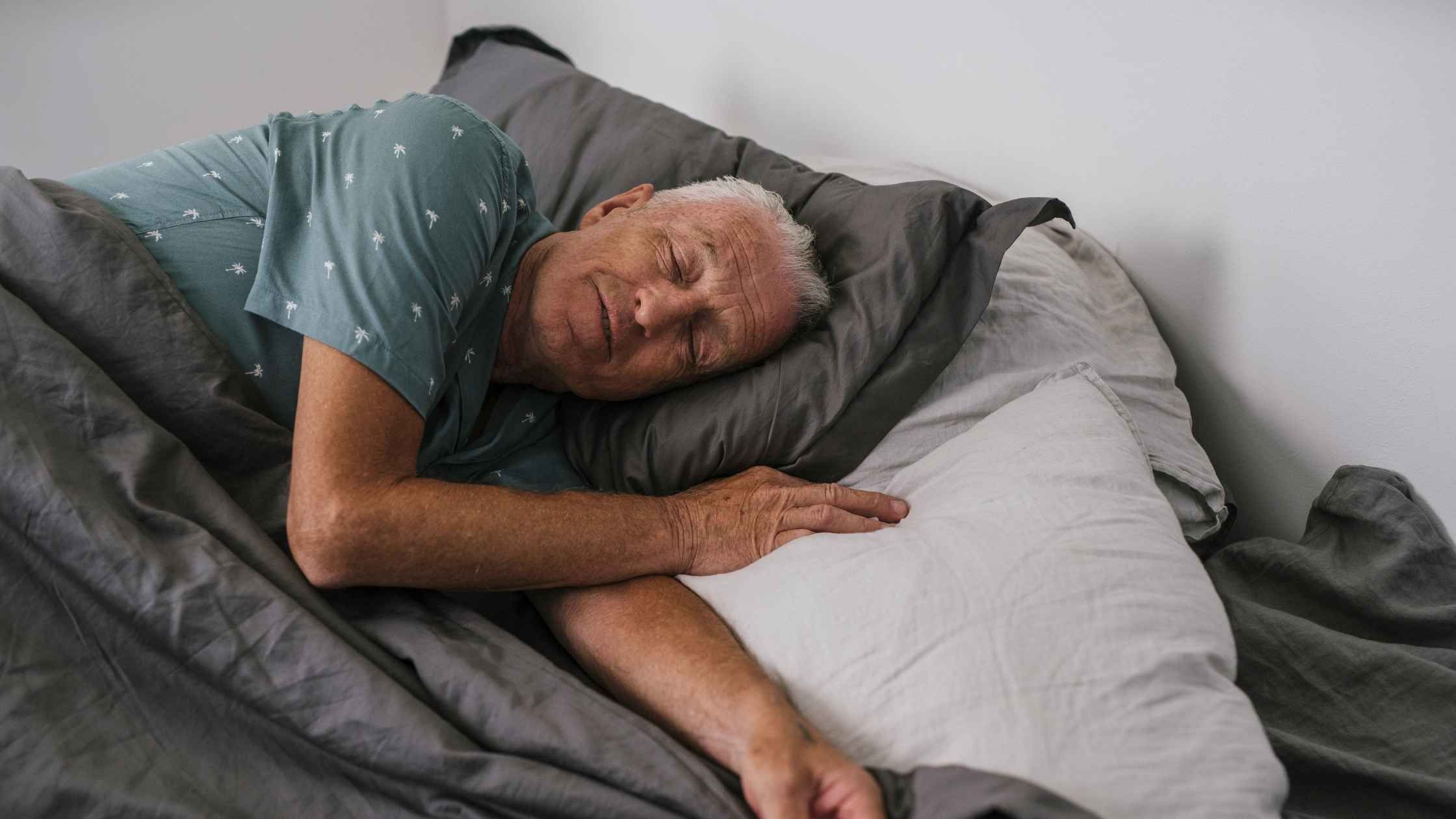
Gentle evening movement offers a direct solution. This guide covers eight low-impact exercises that calm the body and prepare it for deeper rest, along with the science behind why they work and how to build a simple nightly routine.
Why evening exercise improves sleep after 50
Gentle evening exercises like stretching, tai chi, and deep breathing reduce muscle tension and calm the nervous system, making it easier to fall asleep and stay asleep. For adults over 50, low-impact movement before bed addresses the most common sleep disruptors without the stimulating effects of vigorous workouts.
The mechanism is straightforward. Slow, deliberate movement activates your parasympathetic nervous system, which controls your body's "rest and digest" functions. When you stretch gently and breathe deeply, your heart rate drops, your muscles release their grip, and your mind quiets down.
After 50, sleep often becomes more elusive. Joints stiffen throughout the day, stress settles into the shoulders and lower back, and the mind tends to replay the day's events right when you want it to stop. Evening movement offers a release valve for all of it.
- Muscle relaxation: Physical tension from sitting, standing, or repetitive movements dissolves with gentle stretching
- Nervous system reset: Slow breathing shifts your body out of alert mode and into rest mode
- Mental transition: The ritual of movement creates a clear boundary between daytime activity and nighttime rest
When to do nighttime exercises for better sleep
Timing affects how well evening exercise supports sleep. Gentle stretching and breathing work well within the final hour before bed, while anything more active benefits from a larger buffer.
The difference comes down to physiology. Calming exercises lower your heart rate and body temperature, both of which signal your body to prepare for sleep. More vigorous movement does the opposite, raising your core temperature and energizing your system.
| Exercise Type | Best Timing Before Bed |
|---|---|
| Gentle stretching | Within one hour |
| Breathing exercises | Immediately before sleep |
| Tai chi or qigong | One to two hours |
| Light strength work | Two or more hours |
8 nighttime exercises for better sleep
The following exercises work well for adults over 50 who want safe, effective ways to prepare for rest. Each one can be modified for different mobility levels, and none require equipment.
Diaphragmatic breathing
Diaphragmatic breathing, sometimes called belly breathing, activates your relaxation response more directly than any other practice. Unlike shallow chest breathing, this approach engages the diaphragm muscle beneath your lungs and sends calming signals through your vagus nerve.

To practice, lie on your back with one hand on your chest and one on your belly. Inhale slowly through your nose, letting your belly rise while your chest stays relatively still. Then exhale gently through your mouth, feeling your belly fall. Five minutes of this practice can shift your entire nervous system into a calmer state.
Neck and shoulder release
Tension accumulates in the neck and shoulders throughout the day, especially after hours at a desk or looking at screens. A few gentle stretches can release this tightness before it follows you into sleep.
While seated or standing, slowly drop your right ear toward your right shoulder and hold for several breaths. Repeat on the left side. You can also roll your shoulders backward in slow circles, then forward. The key is moving slowly rather than pushing through resistance.
Seated forward fold
This stretch targets the hamstrings and lower back, two areas that commonly hold tension after a long day. Sit on the floor or your bed with legs extended in front of you.
Inhale to lengthen your spine, then exhale as you hinge forward from your hips, reaching toward your feet. If your hamstrings feel tight, bend your knees slightly or place a pillow under them. The goal is a gentle stretch along the back of your legs and spine, not touching your toes.
Supine spinal twist
Lying twists release the lower back and can be done comfortably on a bed or mat. Lie on your back with your arms spread in a T-shape.
Bring your right knee toward your chest, then guide it across your body to the left side while keeping both shoulders on the ground. Turn your head to the right if that feels comfortable. Hold for several breaths, then switch sides. This gentle rotation helps decompress the spine after hours of sitting or standing.
Legs up the wall
This restorative position requires no flexibility and offers profound relaxation. Lie on your back with your legs extended up a wall, or rest them on a stack of pillows if a wall isn't accessible.
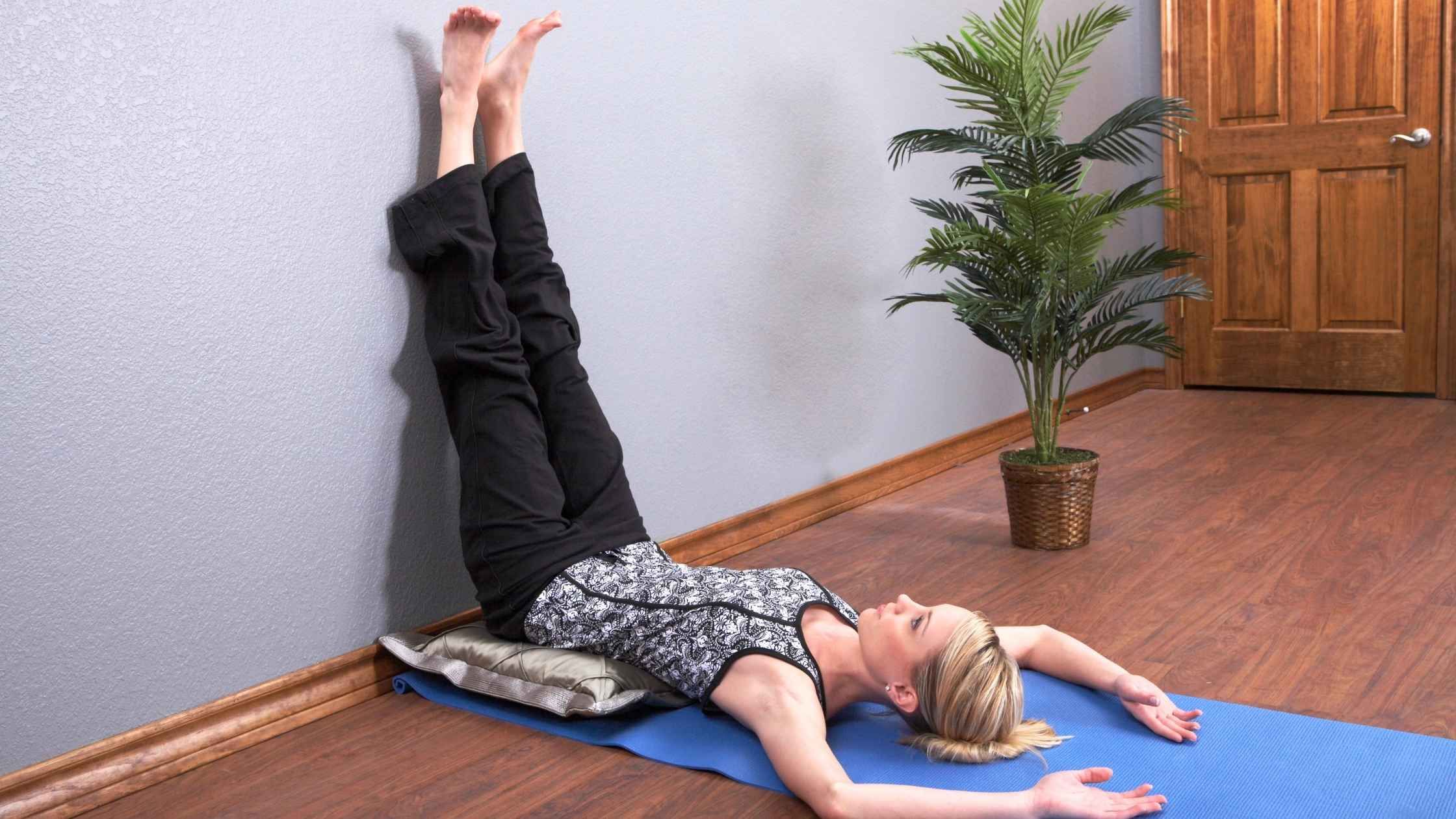
The inverted position promotes circulation back toward your heart and calms the nervous system. Many people find this pose especially helpful for tired, achy legs. Stay here for five to ten minutes, breathing naturally and letting your body settle.
Tip: You can do this pose on your bed using your headboard as the wall, making it easy to transition directly into sleep.
Gentle cat-cow stretch
Cat-cow is a flowing movement that warms the spine and releases tension through the entire back. Start on your hands and knees with a neutral spine.
As you inhale, arch your back and lift your gaze slightly. As you exhale, round your spine toward the ceiling and tuck your chin. Move slowly, letting your breath set the pace. This rhythmic motion synchronizes body and breath, creating a meditative quality that prepares the mind for rest.
Child's pose
Child's pose is a restful position that stretches the hips, back, and shoulders while encouraging deep breathing. From hands and knees, sink your hips back toward your heels and extend your arms forward on the floor.
If your knees feel sensitive, place a pillow between your thighs and calves for support. Rest your forehead on the floor or a folded blanket. This pose invites a sense of surrender, which is exactly the mindset that supports falling asleep.
Standing qigong shaking
This Traditional Chinese Medicine practice involves gentle, rhythmic shaking of the entire body to release tension and settle qi before rest. Qi, pronounced "chee," refers to the vital energy that flows through the body in TCM philosophy.

Stand with feet shoulder-width apart and knees slightly bent. Begin bouncing gently from your knees, allowing the movement to ripple through your whole body. Your arms hang loose, your jaw relaxes, and your shoulders drop. Continue for one to three minutes. In TCM, this practice clears stagnant energy and prepares the body for deep rest.
How to build a bedtime stretching routine
Consistency matters more than duration. A five-minute routine practiced every night will likely benefit your sleep more than a longer session done once a week.
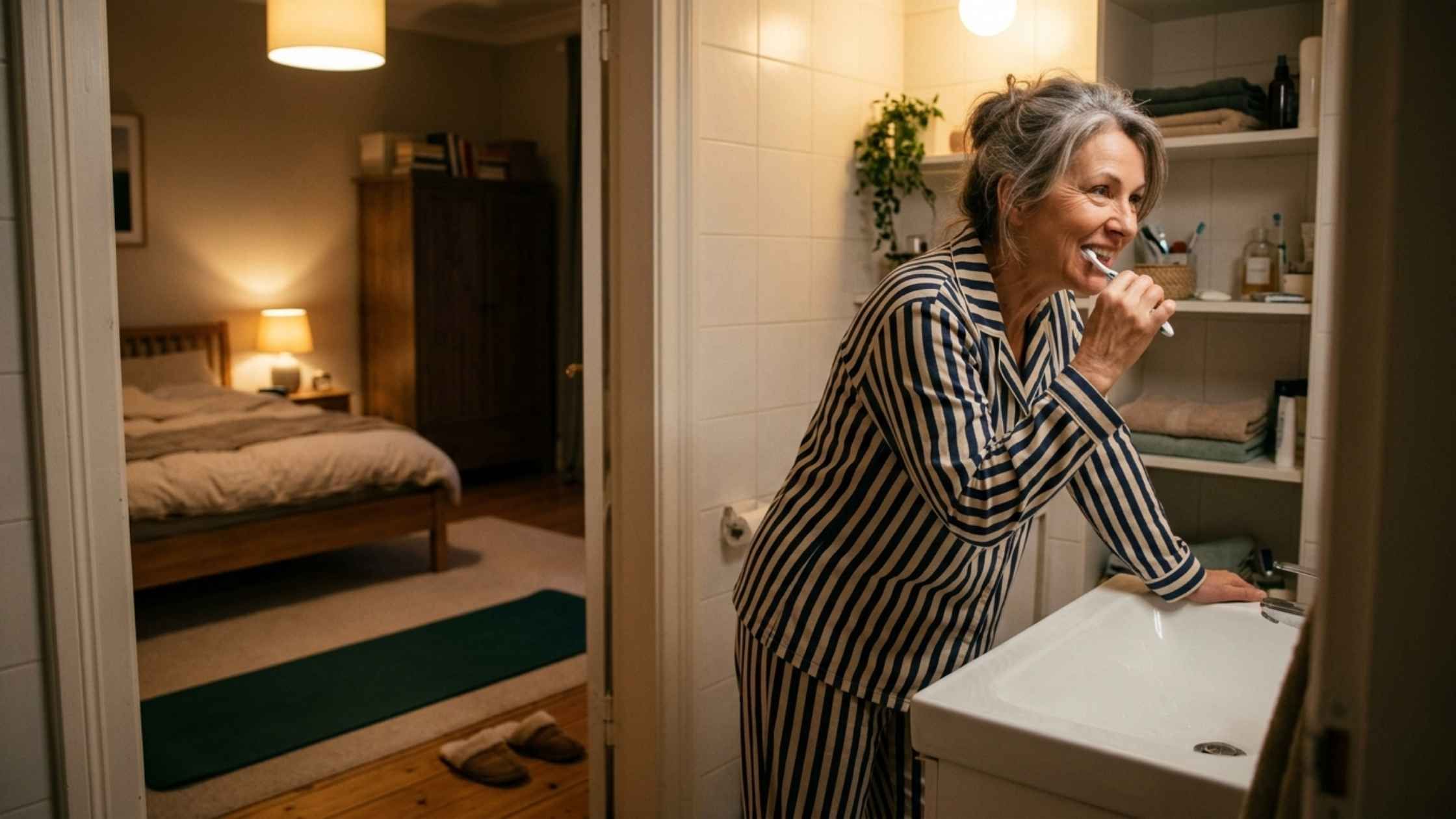
The easiest way to build a habit is to link your stretching routine to something you already do, like brushing your teeth or changing into pajamas. This creates a natural cue that reminds you to practice without relying on motivation or willpower.
- Start small: Pick two or three exercises that feel good and take less than five minutes total
- Set a cue: Connect your routine to an existing bedtime habit like washing your face
- Stay flexible: Some nights you may do more, others less, and both are fine
Over time, your body begins to associate the movements with sleep. The routine itself becomes a signal that rest is coming, making the transition feel more automatic.
Science-backed benefits of nighttime exercise for sleep
Research supports what many people discover through practice: gentle evening movement improves sleep quality. Here's what studies have found:
- Reduced time to fall asleep: Gentle stretching before bed helps the body transition into rest more efficiently [[1]](https://www.sleepfoundation.org/physical-activity/stretching-before-bed)
- Improved sleep quality: Low-impact evening movement supports deeper, more restorative sleep cycles, with studies showing evening exercise increases slow-wave sleep by 1.3% [[2]](https://pubmed.ncbi.nlm.nih.gov/38450497/)
- Decreased nighttime pain: Bedtime stretching reduces muscle stiffness and sleep-related discomfort [[3]](https://www.hss.edu/health-library/move-better/stretches-before-bed)
- Lower stress and anxiety: Slow, mindful movement calms the nervous system and quiets racing thoughts [[4]](https://respiratory-therapy.com/disorders-diseases/sleep-medicine/insomnias/best-exercise-for-insomnia/)
- Better flexibility and mobility: Regular nighttime stretching improves range of motion over time [[5]](https://www.healthline.com/health/stretching-before-bed)
The benefits compound with consistent practice. While some improvement may appear within the first few sessions, the most significant changes often emerge after several weeks of regular evening movement.
Why practice evening exercises with ZenFit
ZenFit offers guided evening routines designed specifically for adults over 50 who want to improve sleep through gentle, low-impact movement. The app's tai chi and qigong programs draw from Traditional Chinese Medicine principles, emphasizing the balance between activity and rest.
Each session runs five to fifteen minutes, fitting easily into even busy evenings. Step-by-step video instruction makes it possible to follow along safely regardless of experience level. Daily reminders support consistency, while the built-in tracker shows how sleep and energy levels change over time.
The app also includes breathing exercises and mindfulness practices that complement physical movement. Together, they create a complete evening wind-down routine rooted in both ancient wisdom and modern exercise science.
Ready to start your sleep journey
Better sleep after 50 doesn't require complicated solutions or hours of exercise. A few minutes of gentle movement each evening can transform how you rest and how you feel the next morning.
Frequently asked questions about nighttime exercises for sleep
Is it safe to exercise right before bed?
Gentle stretching and breathing exercises are safe and often beneficial immediately before sleep. The key is choosing calming movements rather than anything that raises your heart rate significantly.
How long before bed should I finish intense exercise?
Finishing vigorous activity at least two hours before sleep allows your heart rate and body temperature to return to baseline, making it easier to fall asleep.
What types of exercise should I avoid before sleep?
High-intensity cardio, heavy strength training, or any movement that significantly elevates your heart rate can interfere with sleep if done too close to bedtime.
How long does it take for bedtime exercise to improve sleep?
Most people notice improvements in sleep quality within two to three weeks of consistent nightly practice, though some experience benefits sooner.
Can I do a bedtime stretching routine in bed?
Yes, several exercises work well on a mattress, including legs up the wall using your headboard, supine twists, and breathing practices. Doing your routine in bed can make the habit easier to maintain.