8 Safe Senior Workouts to Boost Energy and Vitality
Published on April 8, 2026

Laura Mitchell
Laura is a wellness content creator specializing in holistic health and movement for healthy aging. As an expert in Tai Chi and Qigong, she passionately integrates Chinese wellness practices into her daily lifestyle.
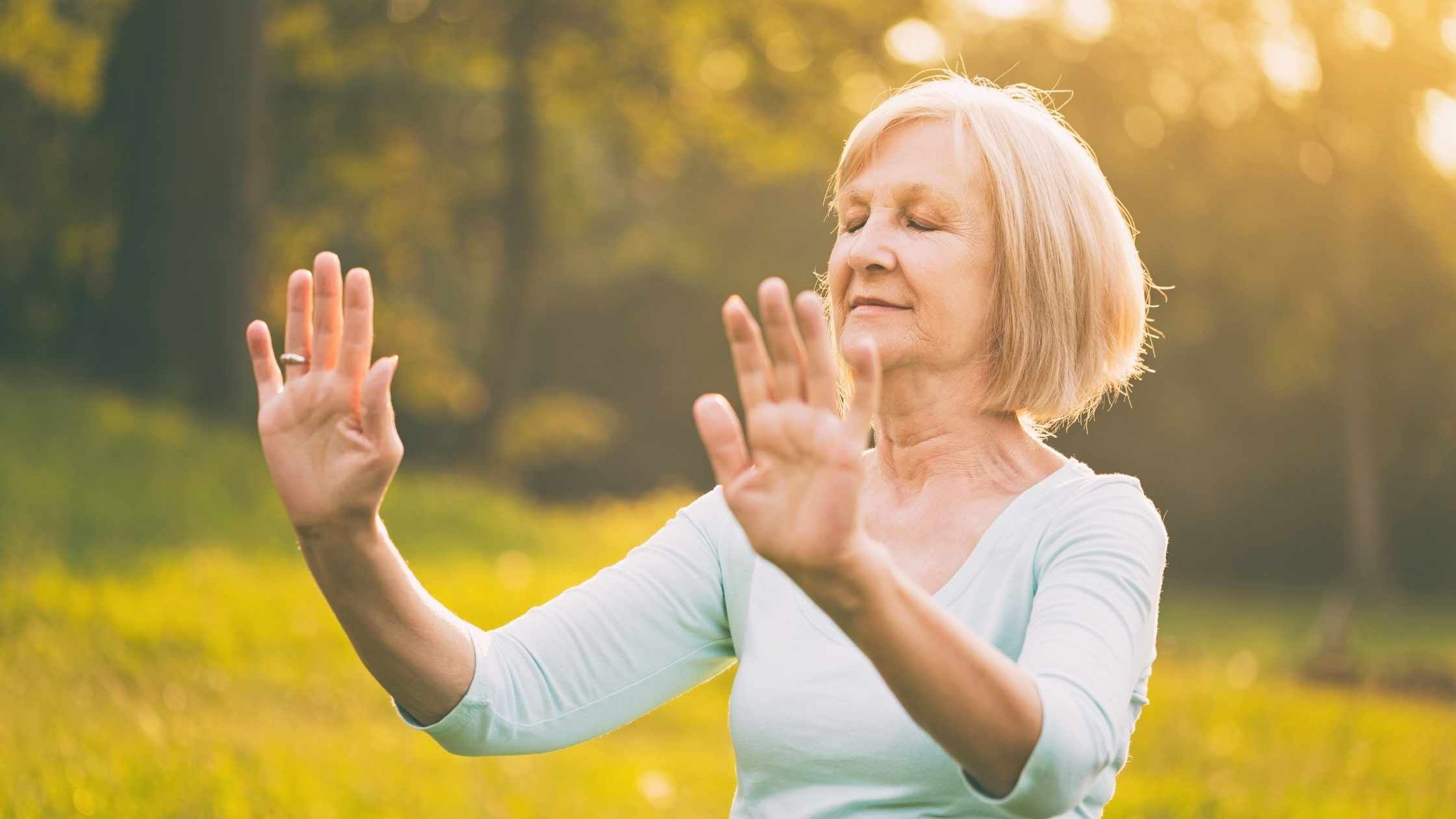
Feeling tired shouldn't be the default setting for getting older. The right kind of movement—gentle, joint-friendly, and consistent—can actually restore energy rather than drain it.
This guide covers eight safe workouts designed specifically for seniors, from Tai Chi and Qigong to chair exercises and mindful walking, along with the science behind why low-impact exercise builds lasting vitality.
What are safe workouts for seniors
Safe workouts for seniors center on low-impact aerobics, strength training, balance, and flexibility. Walking, water aerobics, chair exercises, Tai Chi, yoga, and light resistance training all fit the bill because they build muscle and bone health while improving stamina, mood, and independence without straining joints. The common thread is movement that challenges your body appropriately while respecting where it is right now.
So what actually makes a workout "safe" for older adults? A few key characteristics stand out:
- Low-impact movement: At least one foot stays on the ground, or water buoyancy absorbs shock, protecting joints while still building strength
- Controlled pacing: Slower, deliberate movements allow proper form and coordinated breathing
- Adaptable intensity: Routines can be dialed up or down based on how you feel each day
Practices from Traditional Chinese Medicine, particularly Tai Chi and Qigong, naturally embody all three. They were developed centuries ago specifically to cultivate vitality through gentle, flowing movement rather than exhausting effort.
Why low-impact exercise boosts energy in older adults
Here's something that trips people up: spending energy through exercise actually creates more of it. Gentle, consistent movement improves circulation and delivers more oxygen to every cell in your body. Your mitochondria, the tiny structures inside cells that produce energy, function better when they receive steady oxygen and blood flow.
Traditional Chinese Medicine offers another lens on this. Balanced movement cultivates qi, or vital energy, rather than depleting it. High-intensity exercise can scatter qi, leaving you drained. Practices like Tai Chi and Qigong gather and circulate qi throughout the body, which explains why many people feel more alert and calm after gentle practice rather than wiped out.
The real difference comes down to sustainability. A workout that leaves you exhausted might give you a temporary endorphin rush, but one that leaves you refreshed builds energy reserves you can draw on day after day.
Science-backed benefits of safe senior workouts
Research supports what practitioners of gentle movement have observed for generations. Here are the key benefits tied directly to energy and vitality:
- Improved cardiovascular health and stamina: Regular low-impact exercise strengthens the heart and improves endurance for daily activities like climbing stairs or walking through a parking lot 1
- Increased muscle strength and endurance: Strengthening exercises prevent sarcopenia, the age-related muscle loss that saps physical energy throughout the day 2
- Better balance and fall prevention: Improved balance builds confidence and supports continued independence, keeping you active longer 3
- Enhanced mood and mental clarity: Exercise releases endorphins and reduces fatigue caused by stress or mild depression 4
- Deeper and more restorative sleep: Physical activity promotes better sleep quality, which directly impacts how energized you feel when you wake up 5
How often seniors can exercise for energy
Consistency matters more than intensity. Short daily sessions, even just 10 to 15 minutes, tend to produce better results than occasional longer workouts that leave you sore or discouraged.
| Approach | Best For | Energy Impact |
|---|---|---|
| Daily short sessions | Building sustainable habits | Steady, consistent energy |
| Alternating rest days | Those new to exercise | Gradual energy improvement |
| Gentle daily movement with rest as needed | Seniors with joint concerns | Balanced vitality without strain |
The goal is finding a rhythm your body can maintain week after week. Once gentle movement becomes a daily habit, many people actually miss it on days they skip.
Safety tips for senior strength exercises
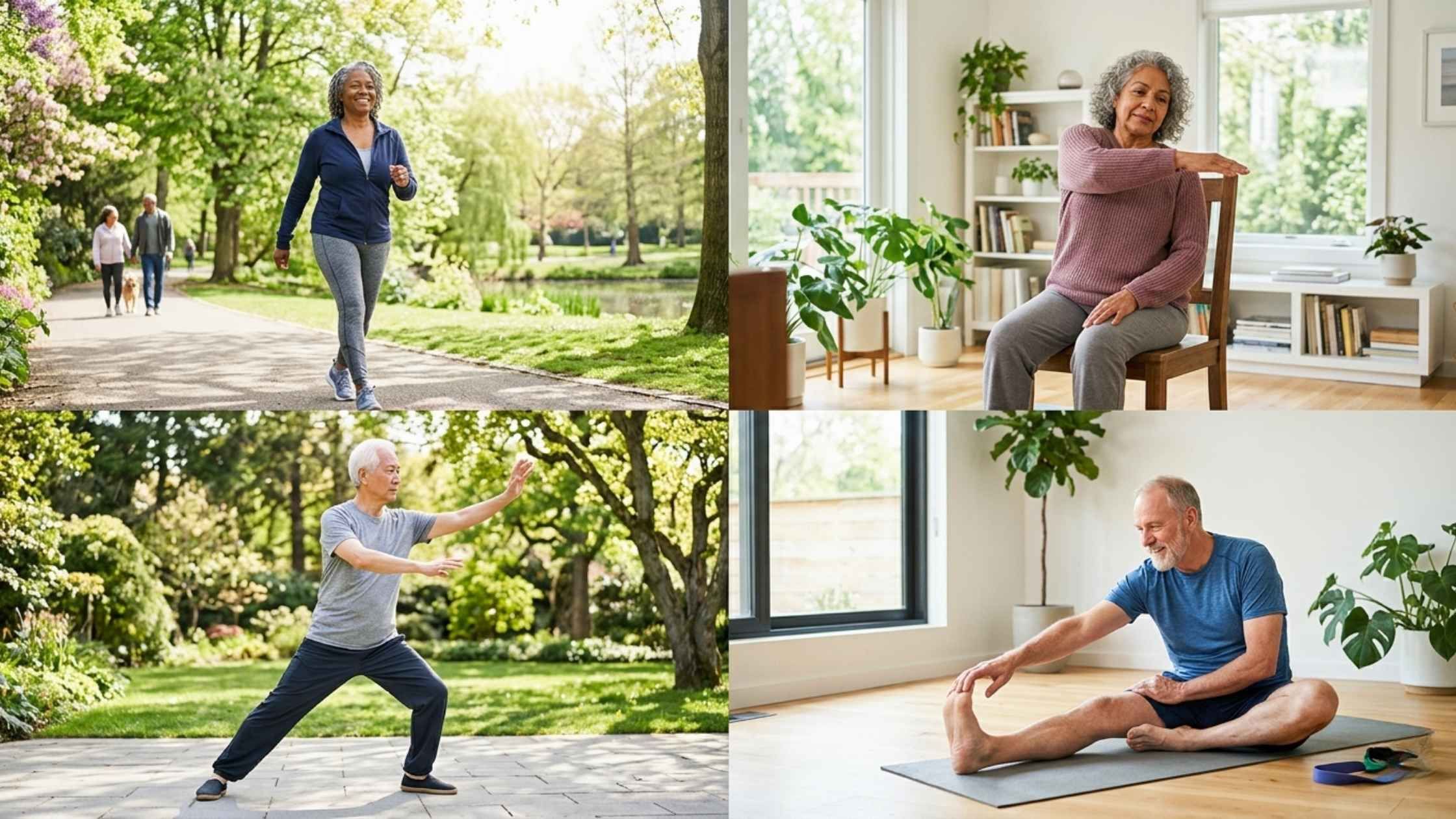
Start slowly and progress gradually
Beginning with easier movements allows your body to adapt without injury. You can always add challenge later. Even small progressions over weeks and months lead to meaningful strength gains, and there's no rush to get there.
Choose joint-friendly low-impact movements
Exercises that protect knees, hips, back, and shoulders make long-term practice possible. Tai Chi and Qigong work particularly well here because they emphasize smooth, continuous motion without jarring impact.
Listen to your body and rest when needed
There's an important difference between the mild discomfort of working muscles and pain that signals potential injury. If something feels sharp, sudden, or wrong, stop and rest. Gentle soreness the next day is normal. Joint pain is not.
Stay hydrated throughout your workout
Water supports muscle function, energy production, and recovery. Even mild dehydration can cause fatigue and reduce how well you perform during exercise.
Consult your doctor before starting
Medical clearance is especially important if you have chronic conditions or are returning to exercise after a long break. Your healthcare provider can help identify any movements to avoid or modify for your situation.
8 safe strengthening exercises for seniors
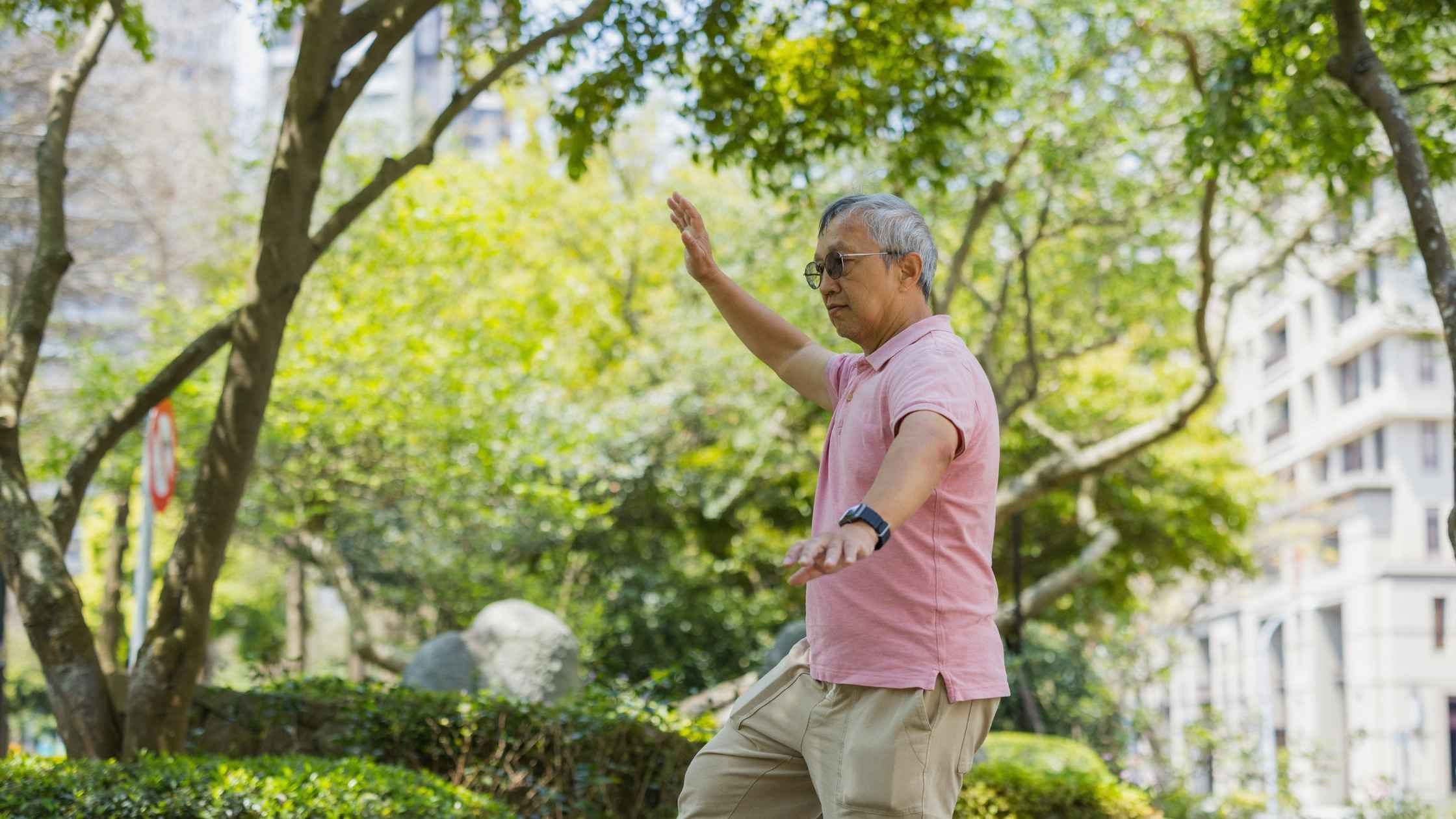
1. Tai Chi for gentle strength and balance
2. Qigong breathing exercises for natural vitality
Qigong coordinates gentle movements with deep, rhythmic breathing to increase oxygen flow and restore energy. Rooted in Traditional Chinese Medicine, Qigong exercises are designed to circulate qi throughout the body. Many people find Qigong particularly effective for reducing fatigue and mental fog, especially when practiced in the morning.
3. Chair squats for lower body strengthening
This exercise involves standing up from a seated position and slowly lowering back down, using the chair for safety. Chair squats build quadriceps and glute strength, muscles essential for climbing stairs, getting out of cars, and maintaining independence. Keep a sturdy chair behind you and focus on controlled movement rather than speed.
4. Seated marching for gentle cardiovascular health
Sitting in a chair and alternately lifting your knees in a marching motion elevates heart rate gently while protecting joints. Seated marching works well as a warm-up or as a standalone cardio option for those with balance concerns. The movement is simple but effective for getting blood flowing.
5. Standing balance holds for stability and confidence
Single-leg stands or heel-to-toe positions near a wall or chair build the stability that prevents falls. Start by holding for just a few seconds and gradually increase duration as your balance improves. Confidence in your stability often translates to more willingness to stay active in daily life.
6. Gentle stretching for flexibility and mobility
Stretches that improve range of motion in shoulders, hips, and spine reduce stiffness and support easier movement throughout the day. Hold each stretch for 15 to 30 seconds without bouncing, and breathe deeply to help muscles release tension.
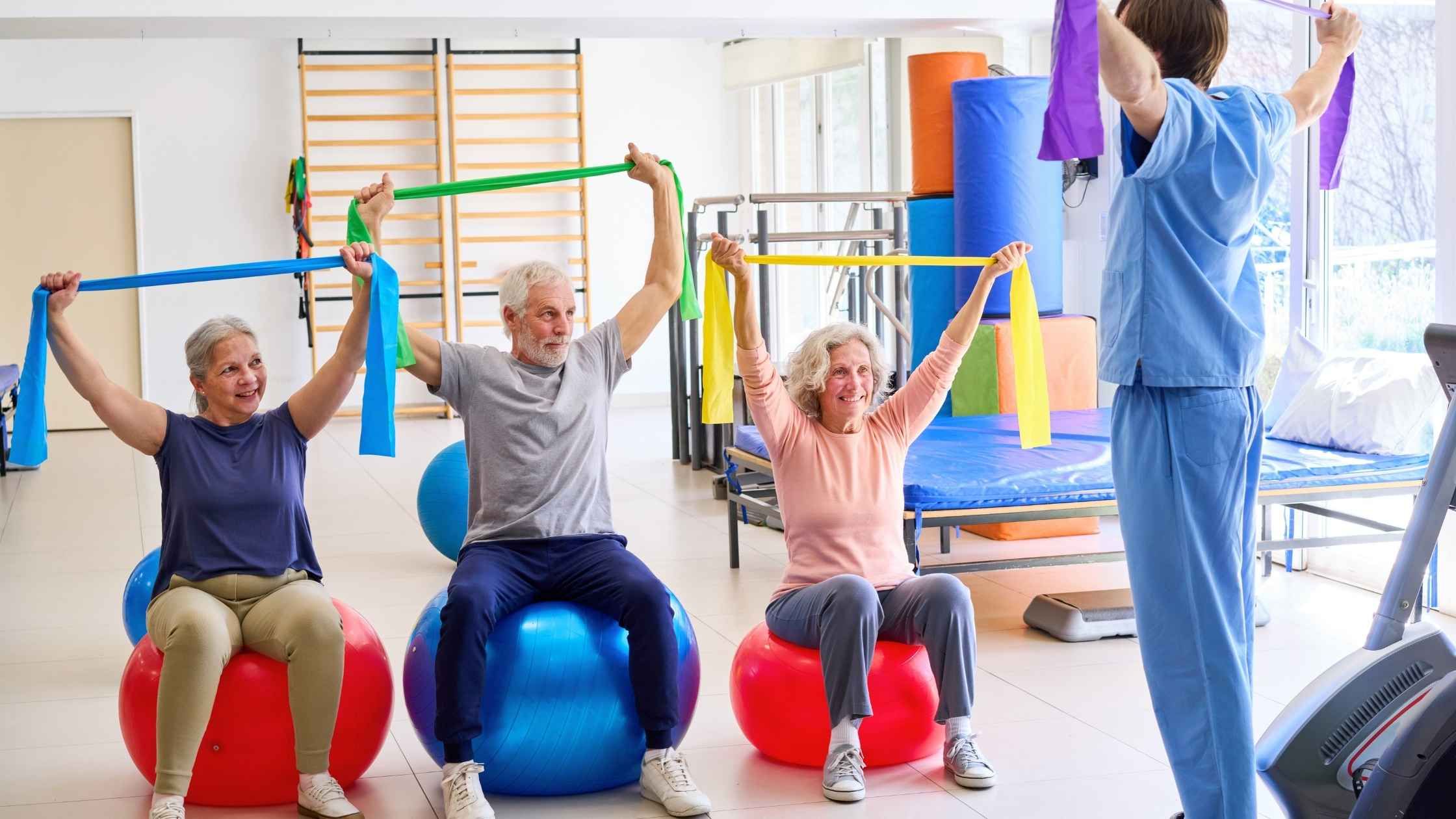
7. Resistance band exercises for upper body strength
8. Mindful walking for endurance and energy
Chair and seated strengthening exercises for seniors
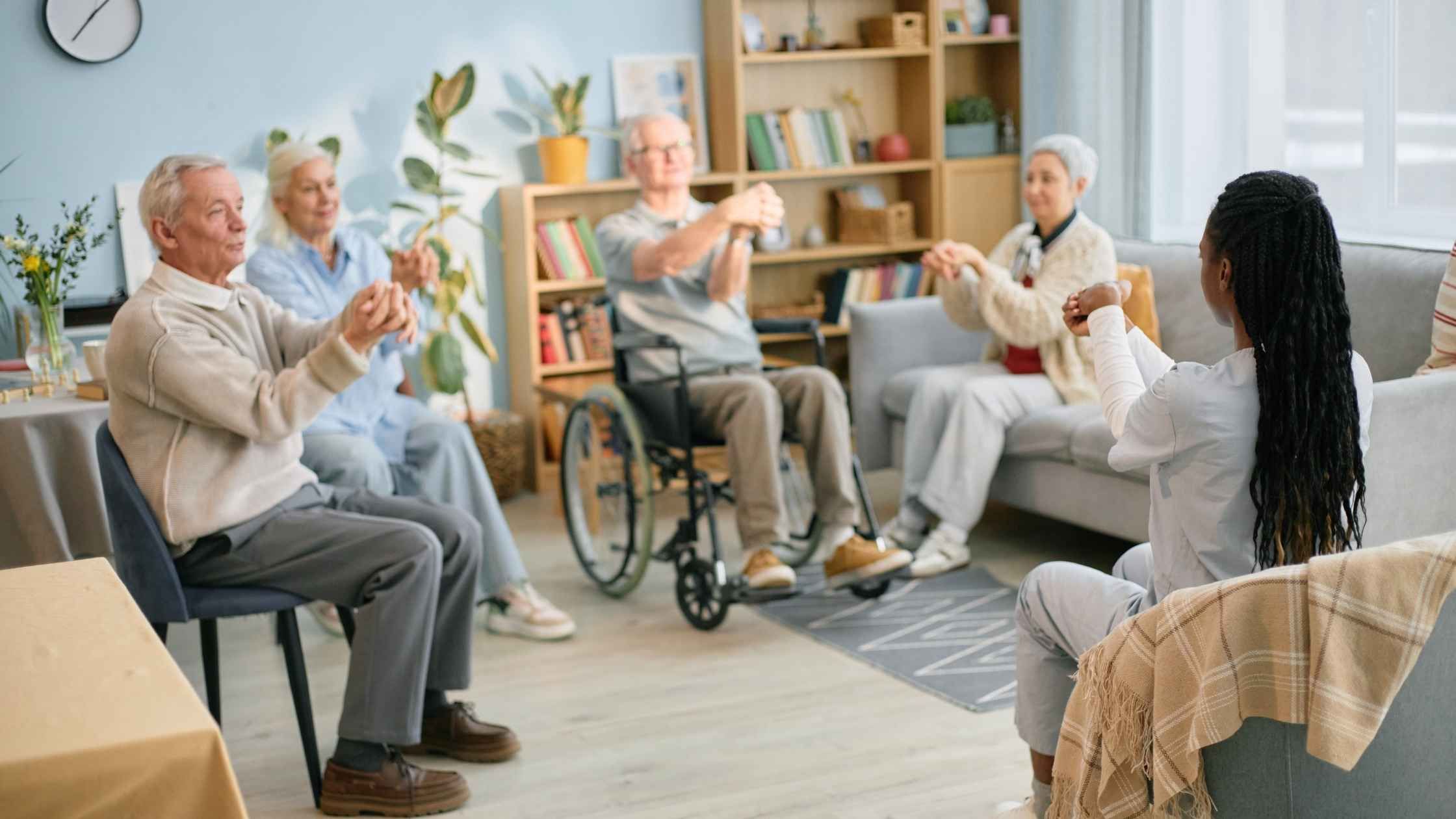
Seated exercises are legitimate strength training, not a lesser option. A stable base allows you to focus on muscle engagement without worrying about balance, which often means better form and more effective workouts.
Seated Tai Chi movements
Tai Chi adapts well to a seated position while maintaining its energy-building benefits. The flowing arm movements and gentle weight shifts still cultivate qi and improve upper body flexibility, even without standing. For anyone with mobility limitations, seated Tai Chi offers a genuine path to the same benefits.
Chair-based strength exercises
Seated breathing for relaxation and energy
Diaphragmatic breathing, where the belly expands on the inhale rather than the chest, can be practiced anywhere to reduce fatigue and restore calm alertness. Even a few minutes of focused breathing shifts the nervous system toward rest and recovery, which is where energy rebuilds.
How to build a sustainable exercise plan for seniors
Creating a routine you can maintain matters more than designing the perfect workout. A few principles support long-term success:
- Set realistic expectations: Focus on consistency rather than intensity
- Schedule specific times: Treat workouts as appointments you keep with yourself
- Track progress: Monitor energy levels and mood changes to see patterns over time
- Mix variety with routine: Alternate between strength, balance, and flexibility work to keep things interesting
Tip: Start with just five minutes daily. Once that feels automatic, gradually add time. Building the habit matters more than the duration.
Why practice senior workouts with ZenFit
ZenFit brings together the gentle power of Tai Chi and Qigong with modern fitness science in routines designed specifically for adults seeking safe, sustainable movement. The app offers step-by-step video classes you can complete in 5 to 15 minutes, making consistent practice realistic even on busy days.
AI-powered personalization tailors routines to your body type and health goals, while the built-in health tracker helps you monitor energy levels and see progress over time. Every program is rooted in the Traditional Chinese Medicine principle that true health is the art of balance between effort and rest, body and mind.
Ready to start your journey
Even a few minutes of gentle movement daily can shift how you feel. The practices in this article have helped people maintain strength, balance, and vitality well into their later years, and they can work for you too.
Frequently asked questions about safe senior workouts
What is the best single exercise for seniors who want more energy?
Tai Chi is often recommended because it combines gentle strength training, balance work, and breath coordination in one flowing practice that builds energy without strain.
Can seniors with arthritis safely do strength training exercises?
Yes, with appropriate modifications. Low-impact movements like Tai Chi, Qigong, and chair exercises can strengthen muscles around joints while minimizing stress on sensitive areas.
How long does it take for seniors to notice more energy from exercise?
Many people notice improved mood and alertness within the first few sessions. Sustained energy improvements typically develop over several weeks of consistent practice.
Is it better for seniors to exercise in the morning or evening for energy?
Morning exercise can help establish alertness for the day, but the best time is whenever you can practice consistently. Gentle movement like Qigong can also calm the mind before sleep without overstimulating.
What natural methods besides exercise can help older adults boost energy?
Adequate sleep, proper hydration, balanced nutrition based on TCM food energetics, and stress-reducing practices like mindfulness meditation all support sustained energy levels alongside regular movement.