Why More People Are Choosing Yoga Alternatives in 2026
Published on May 20, 2026
Laura Mitchell
Laura is a wellness content creator specializing in holistic health and movement for healthy aging. As an expert in Tai Chi and Qigong, she passionately integrates Chinese wellness practices into her daily lifestyle.
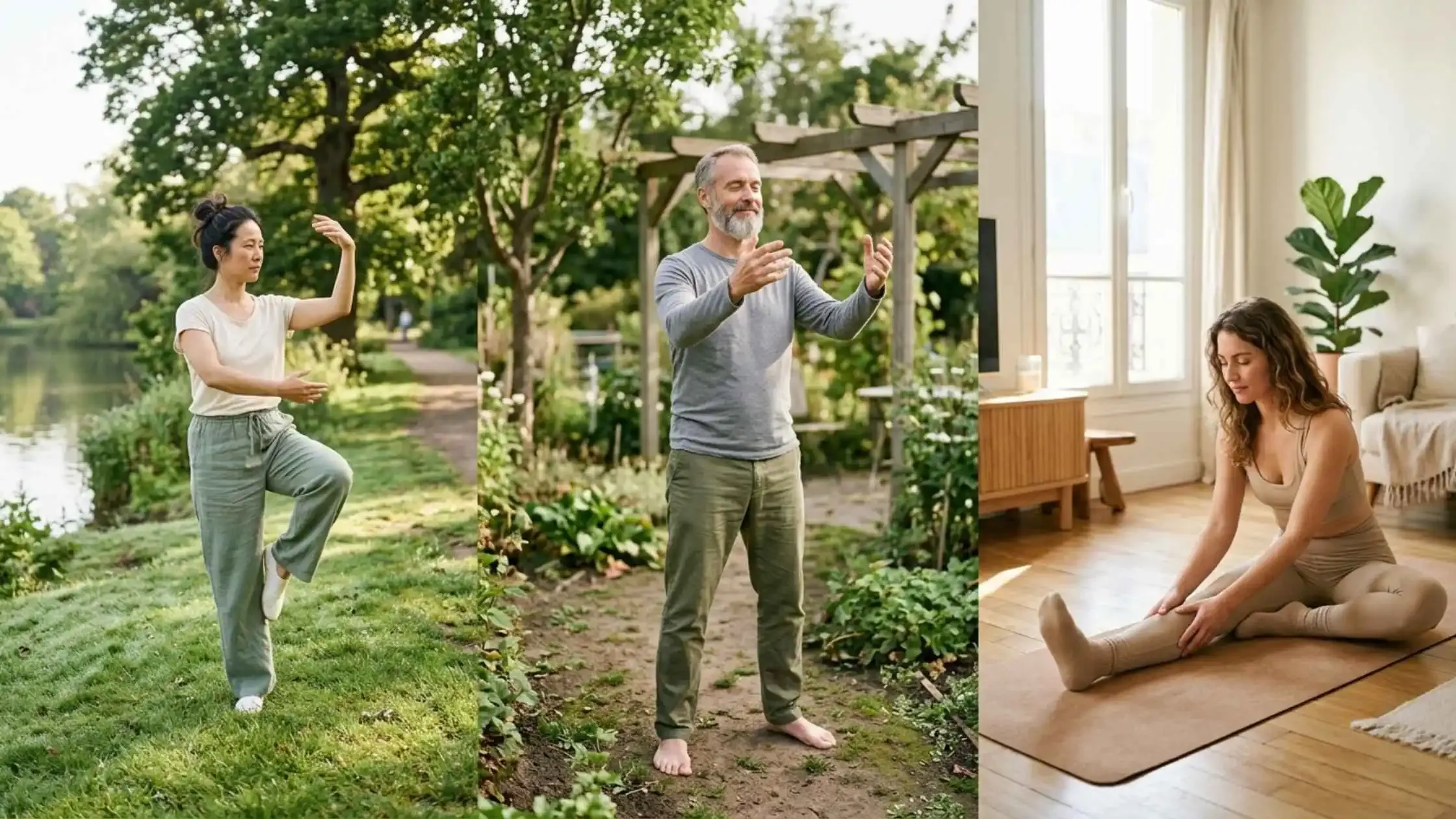
Whether you're navigating physical limitations, time constraints, spiritual concerns, or simply want something different, several practices deliver similar results through different approaches. This guide covers the best yoga alternatives, how to choose one that fits your goals, and how to start practicing at home in just a few minutes a day.
Why yoga is not for everyone
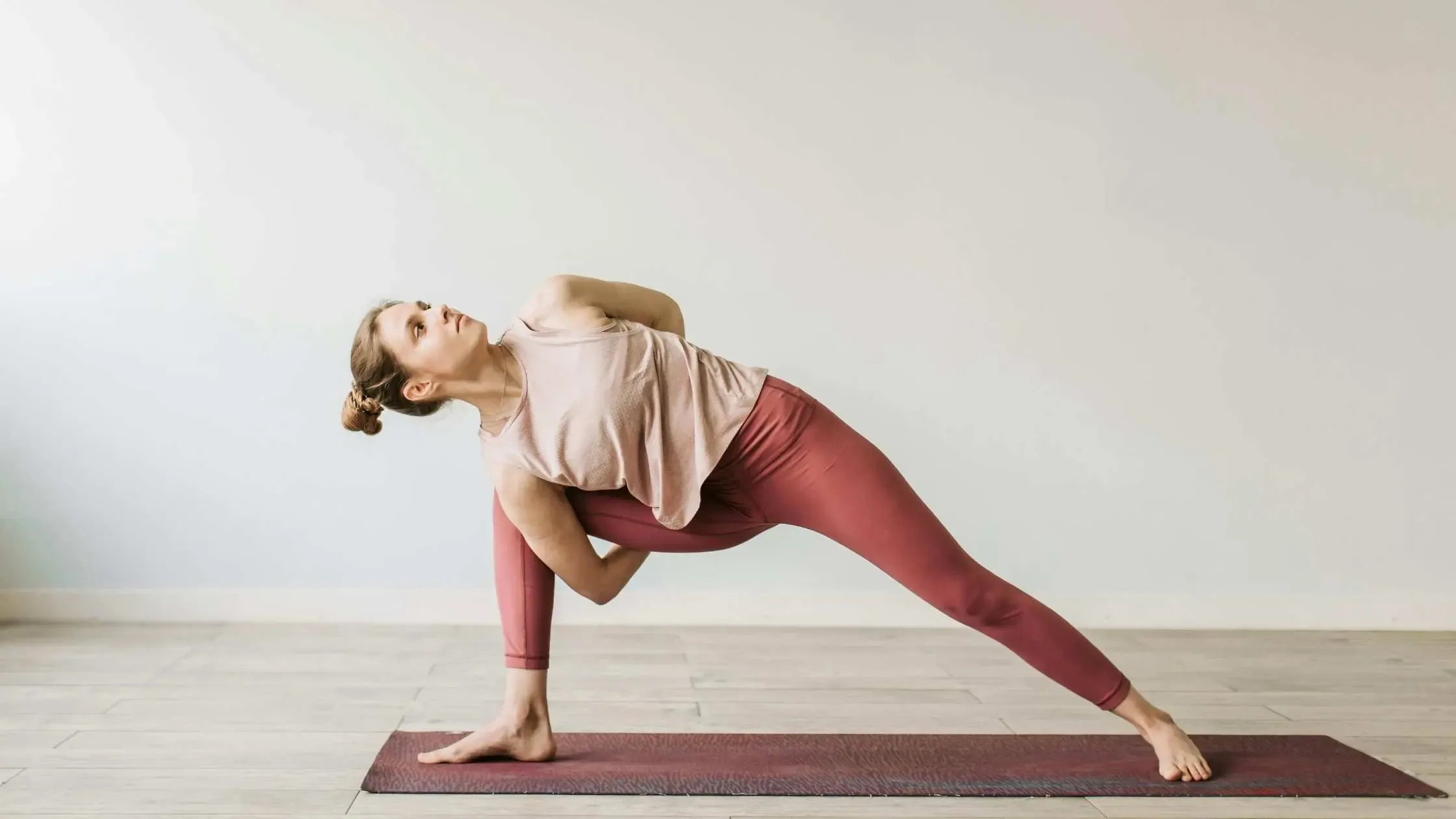
Top yoga alternatives include Tai Chi for slow-motion balance, Qigong for breath and energy flow, Pilates for core strength, and mobility training for joint health. Other effective low-impact options include barre and structured stretching routines. Each offers the flexibility, stress relief, and mind-body connection that draw people to yoga—without some of the barriers that make yoga feel like a poor fit.
Yoga works beautifully for millions of people. Yet it's not the only path to wellness, and for some, it's simply not the right one.
Spiritual and religious concerns
Yoga originated within Hindu philosophy, and certain traditional elements—chanting, postures with spiritual significance, or references to chakras—don't align with everyone's beliefs. Many people want gentle movement and stress relief without navigating spiritual territory that feels unfamiliar or uncomfortable.
You can find secular yoga classes, of course. However, some people prefer practices that never carried spiritual associations in the first place, like Tai Chi or Pilates.
Physical limitations and chronic pain
Certain yoga poses place real demands on wrists, shoulders, knees, and the lower back. If you're managing arthritis, recovering from injury, or dealing with chronic pain, some postures may feel uncomfortable or even risky.
Time constraints and accessibility barriers
Traditional yoga classes often run 60 to 90 minutes, and studio memberships add up quickly. For busy schedules or tight budgets, this creates a real barrier to consistent practice.
Many yoga alternatives fit into shorter windows—10 to 15 minutes daily—and require no equipment or studio visits. That accessibility matters when you're trying to build a lasting habit.
What makes a good exercise similar to yoga
Not every workout qualifies as a true yoga alternative. The practices that come closest share a few key characteristics:
- Low-impact movement: Gentle on joints, suitable for all fitness levels and ages
- Mind-body focus: Integrates breath awareness, mental presence, and physical movement
- Flexibility and strength: Builds both without high-intensity strain or heavy equipment
- Accessibility: Can be practiced at home in short daily sessions
If a practice checks all four boxes, it likely offers similar benefits to yoga while potentially avoiding whatever made yoga feel like a poor fit for you.
Best yoga alternatives for flexibility and wellness
Several practices deliver the calm, flexibility, and body awareness that yoga provides. Each takes a slightly different approach, so the best choice depends on what you're hoping to gain.
Tai Chi for gentle movement and balance
You don't need any equipment, and sessions can be as short as 10 minutes. Many people find the flowing quality meditative without requiring stillness.

Qigong for breath and energy flow
If sitting still for meditation feels difficult, qigong offers a moving alternative that trains similar mental skills.
Pilates for core strength and posture
Joseph Pilates developed this system in the early 20th century, originally for injury rehabilitation. The practice emphasizes precise, controlled movements that target core stability, spinal alignment, and overall posture.
Pilates can be done on a mat with no equipment or on specialized machines like the reformer. Either way, the focus stays on quality of movement rather than quantity—slow, intentional work that builds strength without impact.
Barre for strength and stretch
Barre blends elements of ballet, Pilates, and yoga into a workout focused on small, controlled movements. Classes typically use a ballet barre for support, though home practice works fine with a chair or countertop.
The practice builds muscle tone and flexibility through high repetitions of small-range movements. Barre is low-impact but surprisingly challenging, particularly for legs and core.
Mindful stretching and mobility training
Mobility training focuses specifically on improving joint range of motion through targeted movements. Unlike static stretching, mobility work often involves active movement through your available range, gradually expanding what your body can do.
This is perhaps the simplest entry point for anyone new to mind-body practice. No philosophy, no complex sequences—just practical work to help your body move better.
| Practice | Primary Focus | Equipment Needed | Best For |
|---|---|---|---|
| Tai Chi | Balance, flow | None | Stress relief, fall prevention |
| Qigong | Breath, energy | None | Mental clarity, beginners |
| Pilates | Core strength | Mat or reformer | Posture, rehabilitation |
| Barre | Strength, tone | Chair or barre | Flexibility, muscle tone |
| Mobility Training | Joint range | None | Joint health, warm-ups |
How to choose the right yoga alternative for your goals
The best practice depends on what you're hoping to achieve. Here's how different goals map to different alternatives.
Best for stress relief and mental clarity
Best for flexibility and joint mobility
Mobility training and mindful stretching target range of motion most directly. Qigong also supports flexibility through its gentle movements, though it's less focused on stretching specifically.
Best for strength and balance
Best for beginners starting from scratch
Qigong typically offers the gentlest entry point—simple movements, no flexibility requirements, and sessions that can be as short as five minutes. Simple stretching routines work well too if you prefer something even more straightforward.
How to start practicing things like yoga at home
Getting started doesn't require much. A few practical choices make the difference between building a lasting habit and abandoning the effort after a week.
Pick one practice that matches your goal
Trying everything at once usually leads to doing nothing consistently. Choose one alternative based on what matters most to you right now—stress relief, flexibility, balance, or strength. You can always add other practices later once the first becomes routine.
Begin with five to fifteen minutes daily
Short sessions work. Consistency matters more than duration, especially early on. A 10-minute daily practice builds more benefit over time than an hour-long session you only manage once a week.
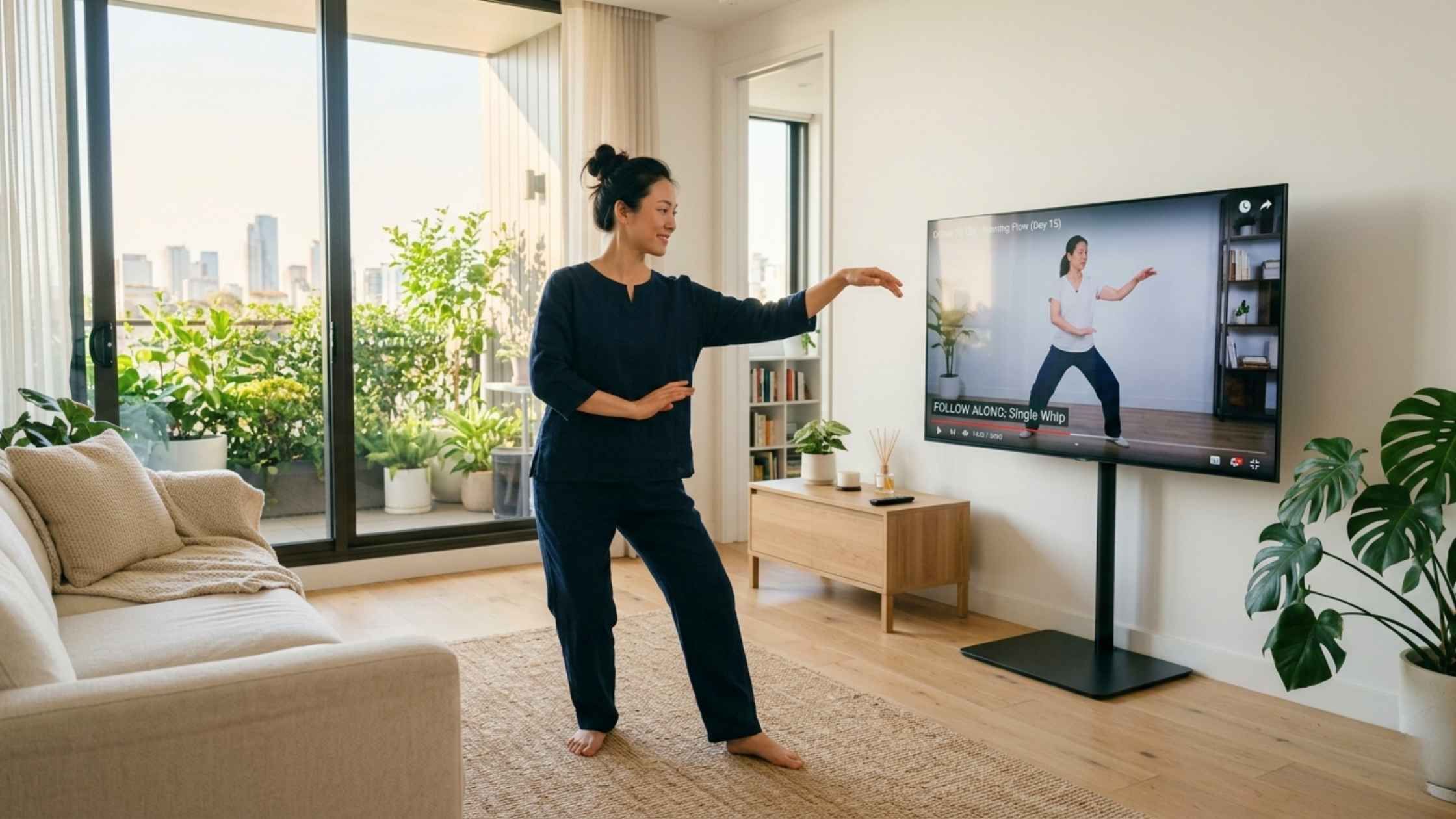
Use guided videos and apps for structure
Following along with instruction helps you learn proper form and stay engaged. Apps like ZenFit offer step-by-step tai chi and qigong classes designed specifically for beginners, with sessions built to fit into 10 to 15 minutes daily.
Tip: Start at the same time each day—morning often works well—to anchor the habit to your existing routine.
How ZenFit makes yoga alternatives simple and sustainable
AI-powered personalization adapts recommendations to your goals and body type, drawing on Traditional Chinese Medicine principles alongside modern fitness science. Progress tracking, daily reminders, and streak features help build the consistency that makes any practice effective.
Whether you're drawn to gentle movement for stress relief, better balance, or simply a yoga alternative that fits your beliefs and schedule, everything is in one place.
FAQs about yoga alternatives
What is the Chinese equivalent of yoga?
Is Qigong more effective than yoga for stress relief?
Both practices reduce stress effectively. Qigong may suit people who prefer slower, breath-centered movement without yoga's spiritual framework or complex poses. The best choice depends on personal preference rather than one being objectively superior.
Can you practice yoga alternatives at home without equipment?
Yes. Tai Chi, Qigong, and mobility training require no equipment and can be done in small spaces. Pilates works on a simple mat, though reformer classes require specialized equipment.
How long does it take to feel benefits from yoga alternatives?
Can Tai Chi and Qigong be combined into one routine?
Absolutely. Tai Chi and Qigong complement each other well—Qigong often serves as a warm-up or cooldown for Tai Chi, and many practitioners integrate both into a single daily session. The ZenFit app offers combined routines designed for exactly this approach.