11 Low-Impact Exercises That Burn Calories and Protect Joints
Published on April 29, 2026 | Updated on June 15, 2026

Laura Mitchell
Laura is a wellness content creator specializing in holistic health and movement for healthy aging. As an expert in Tai Chi and Qigong, she passionately integrates Chinese wellness practices into her daily lifestyle.

Low-impact exercise keeps at least one foot on the ground or uses water and equipment to support your body, which protects your joints while still delivering real fitness benefits. Walking, swimming, tai chi, and cycling all fall into this category, and they burn more calories than most people expect.
What is low-impact exercise
Low-impact exercise refers to any physical activity where at least one foot stays on the ground, or where your body is supported by water or equipment. This approach keeps your heart rate elevated and builds strength while placing minimal stress on your knees, hips, and ankles. Walking, swimming, cycling, yoga, tai chi, and elliptical training all fit into this category.
The word "impact" here describes the force your joints absorb during movement. When you run or jump, both feet leave the ground, and your joints take on significant shock with each landing. Low-impact alternatives reduce or eliminate that jarring force entirely.
Here's what often surprises people: low-impact doesn't mean easy. You can still get a challenging workout and break a sweat. The difference lies in how your body absorbs the effort, not how hard you're working.
Low-impact vs high-impact exercise
High-impact exercise involves both feet leaving the ground at the same time. Running, jumping rope, and plyometric training fall into this category. Your joints absorb two to three times your body weight with each landing, which builds bone density but also increases injury risk.
| Feature | Low-impact exercise | High-impact exercise |
|---|---|---|
| Joint stress | Minimal | Significant |
| Examples | Walking, swimming, tai chi | Running, jumping, plyometrics |
| Best for | Beginners, joint concerns, recovery | Bone density, athletic performance |
| Injury risk | Lower | Higher |
| Daily practice | Often sustainable | Usually requires rest days |
Neither approach is inherently better. High-impact training serves specific goals like competitive athletics or building bone strength. However, low-impact options tend to be more practical for people who want to move consistently without accumulating wear on their bodies over time.

Benefits of low-impact workouts
Protects and strengthens joints
Gentle movement circulates synovial fluid, the natural lubricant that cushions your cartilage. At the same time, low-impact exercise builds the muscles surrounding your joints, which provides better support and stability.
This combination proves especially valuable for people managing arthritis or recovering from injuries. You're strengthening without adding stress.
Burns calories and supports weight loss
Because low-impact workouts cause less soreness and fatigue, you're more likely to show up day after day. That consistency adds up.
Improves cardiovascular health
You don't have to push to exhaustion. Steady, sustained effort delivers cardiovascular benefits without the recovery demands of high-intensity training.
Reduces risk of injury
Fewer sprains, strains, and overuse injuries mean fewer setbacks. This matters particularly if you're returning to fitness after time away or working around chronic conditions.
Builds sustainable fitness habits
Low-impact routines are easier to maintain because they don't leave you depleted. You can practice daily without needing extensive recovery time, which helps movement become part of your routine rather than an occasional event.
Supports energy and vitality
In Traditional Chinese Medicine, gentle movement cultivates qi (vital energy) rather than depleting it. Practices like tai chi and qigong specifically emphasize this energy-building quality, combining physical movement with breathwork and focused attention.
Many practitioners report feeling more energized after a session, not drained.
11 best low-impact exercises for all fitness levels
Walking
Walking is the most accessible form of low-impact cardio. It requires nothing beyond comfortable shoes and can happen anywhere. You can adjust intensity by changing your pace, adding hills, or extending your time.
Swimming
Swimming delivers a full-body workout with virtually no impact. Water's buoyancy supports your body weight while providing natural resistance that builds strength.
Tai Chi
Qigong
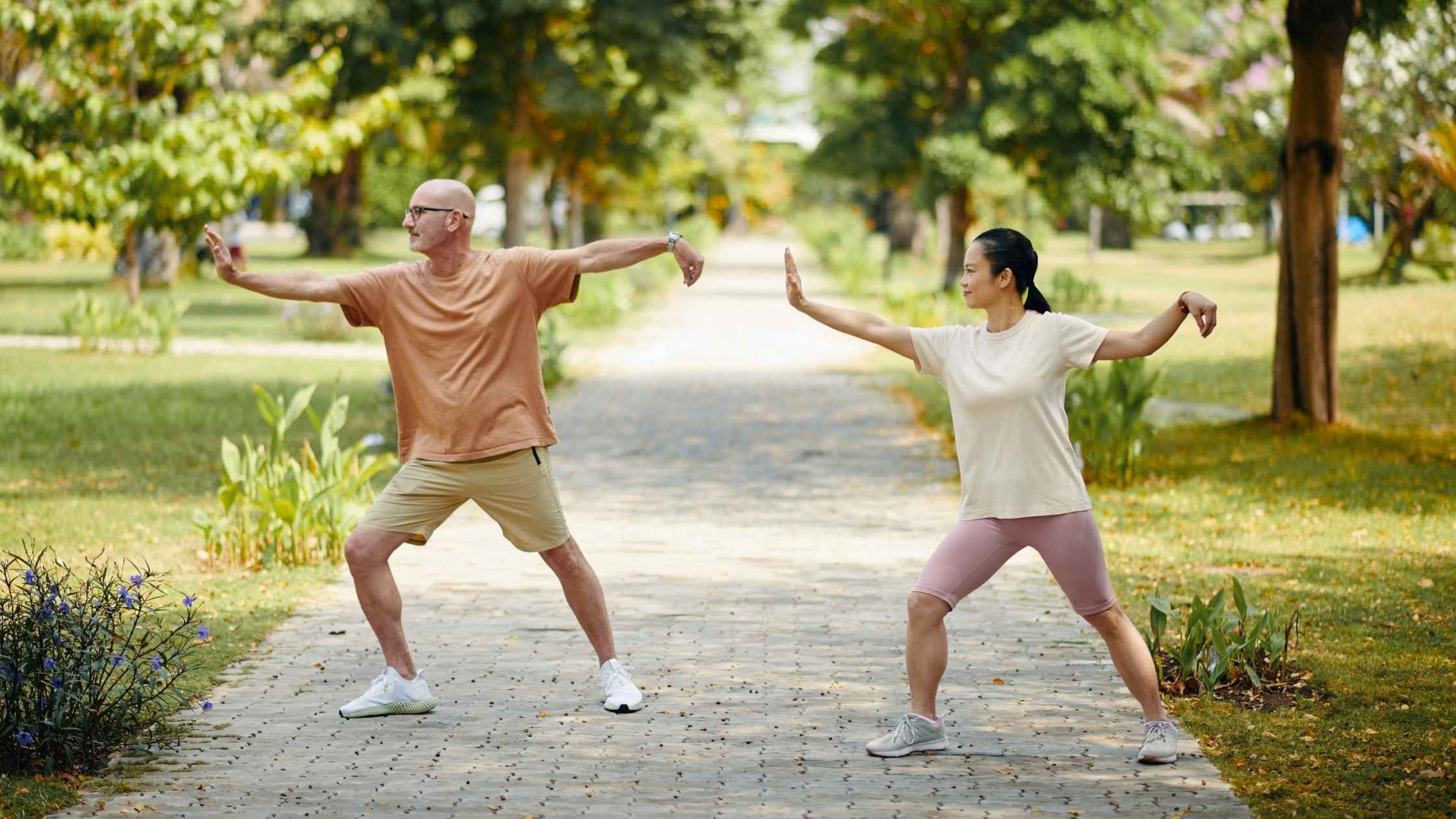
The two practices complement each other naturally. Many people find qigong easier to learn initially, then add tai chi as their comfort grows.
Yoga
Yoga builds flexibility, strength, and body awareness through held poses. Styles vary widely, from vigorous vinyasa to gentle restorative practices.
For low-impact purposes, gentle yoga, hatha, or restorative styles work best. The combination of stretching, strengthening, and breath awareness addresses multiple fitness goals at once.
Cycling
Whether stationary or outdoor, cycling builds leg strength while protecting your joints. Your body weight rests on the seat rather than your knees and ankles.
Intensity adjusts easily through resistance and speed, making cycling versatile for recovery days or challenging cardio sessions.
Pilates
Pilates focuses on core strength, posture, and controlled movement. The emphasis on precision and alignment builds stability that supports all other physical activities.
Most Pilates exercises happen on a mat or specialized equipment, with movements that strengthen without jarring your joints.
Rowing
Rowing engages both upper and lower body in a smooth, continuous motion. When performed with proper form on a rowing machine, it provides excellent cardiovascular training without impact.
The seated position and fluid movement pattern make rowing joint-friendly while still delivering a challenging workout.
Elliptical training
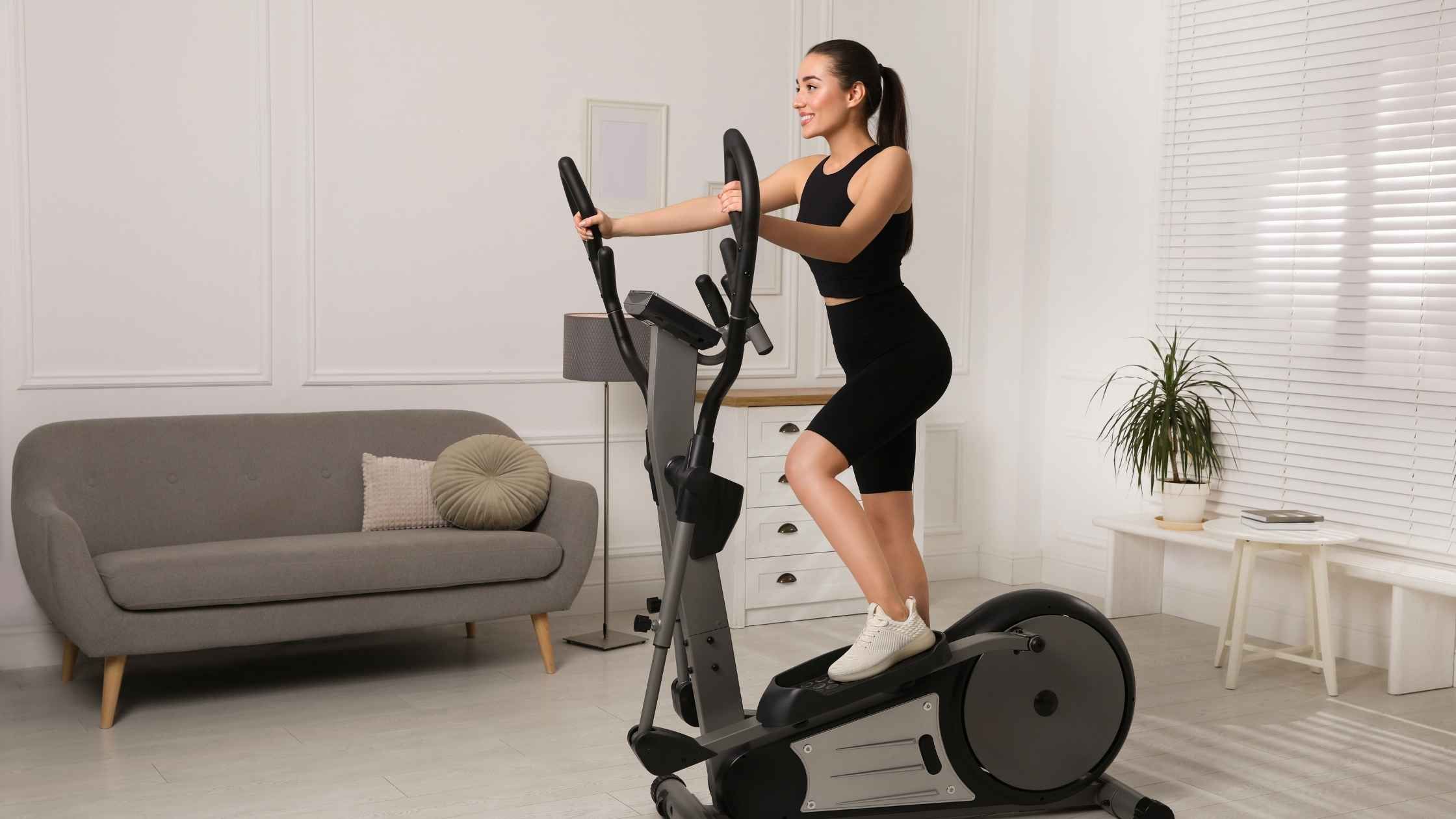
The elliptical mimics running motion without your feet striking the ground. This makes it a practical option for runners dealing with joint issues or anyone wanting cardio without pavement stress.
Most machines include arm handles, turning the workout into full-body effort.
Low-impact strength training
Strength training becomes low-impact when you focus on controlled repetitions rather than explosive movements. Bodyweight exercises, resistance bands, and light dumbbells all build muscle without jarring your joints.
The key is tempo. Slow, deliberate movements with proper form deliver strength benefits while keeping impact minimal.
Water aerobics
Water aerobics combines the joint-protecting benefits of water with structured group exercise. The water's resistance builds strength while its buoyancy eliminates impact.
Many people find the social element of group classes helps with motivation and consistency.
How to start a low-impact fitness program
1. Assess your current fitness level
Start where you are, not where you think you ought to be. Consider any joint concerns, chronic conditions, or time constraints that affect what's realistic right now.
2. Choose activities that match your goals
Different low-impact exercises serve different purposes:
- Weight loss: Walking, swimming, cycling for sustained calorie burn
- Stress relief: Tai Chi, yoga, Qigong for mind-body connection
- Strength building: Pilates, resistance training, rowing
- Balance and flexibility: Tai Chi, yoga, Qigong
You might combine several approaches depending on your priorities.
3. Start with short daily sessions
Consistency matters more than duration, especially at the beginning. Even 10-15 minutes of daily practice builds momentum and establishes the habit.
You can always extend sessions later. The priority is showing up regularly.
4. Track your progress and energy levels
Noticing how you feel helps you identify what works. Pay attention to your energy, mood, and any physical changes over time.
Explore ZenFit's health tracker for logging routines, energy levels, and body changes with long-term wellness insights.

Low-impact exercise equipment for home
You don't need much to get started. A few items can expand your options:
- Resistance bands: Portable, affordable, and versatile for strength work
- Yoga mat: Essential for floor exercises and stretching
- Light dumbbells: For low-impact weight lifting at home
- Stationary bike or mini elliptical: Cardio options that protect joints
Most low-impact exercises, including walking, tai chi, and bodyweight training, require no equipment at all.
How to build a balanced low-impact workout routine
A complete routine addresses four elements: cardio, strength, flexibility, and mindfulness. You don't need separate sessions for each. Many low-impact practices, particularly tai chi and qigong, integrate multiple elements at once.
- Cardio: Walking, swimming, or cycling for heart health
- Strength: Bodyweight exercises, resistance bands, or light weights
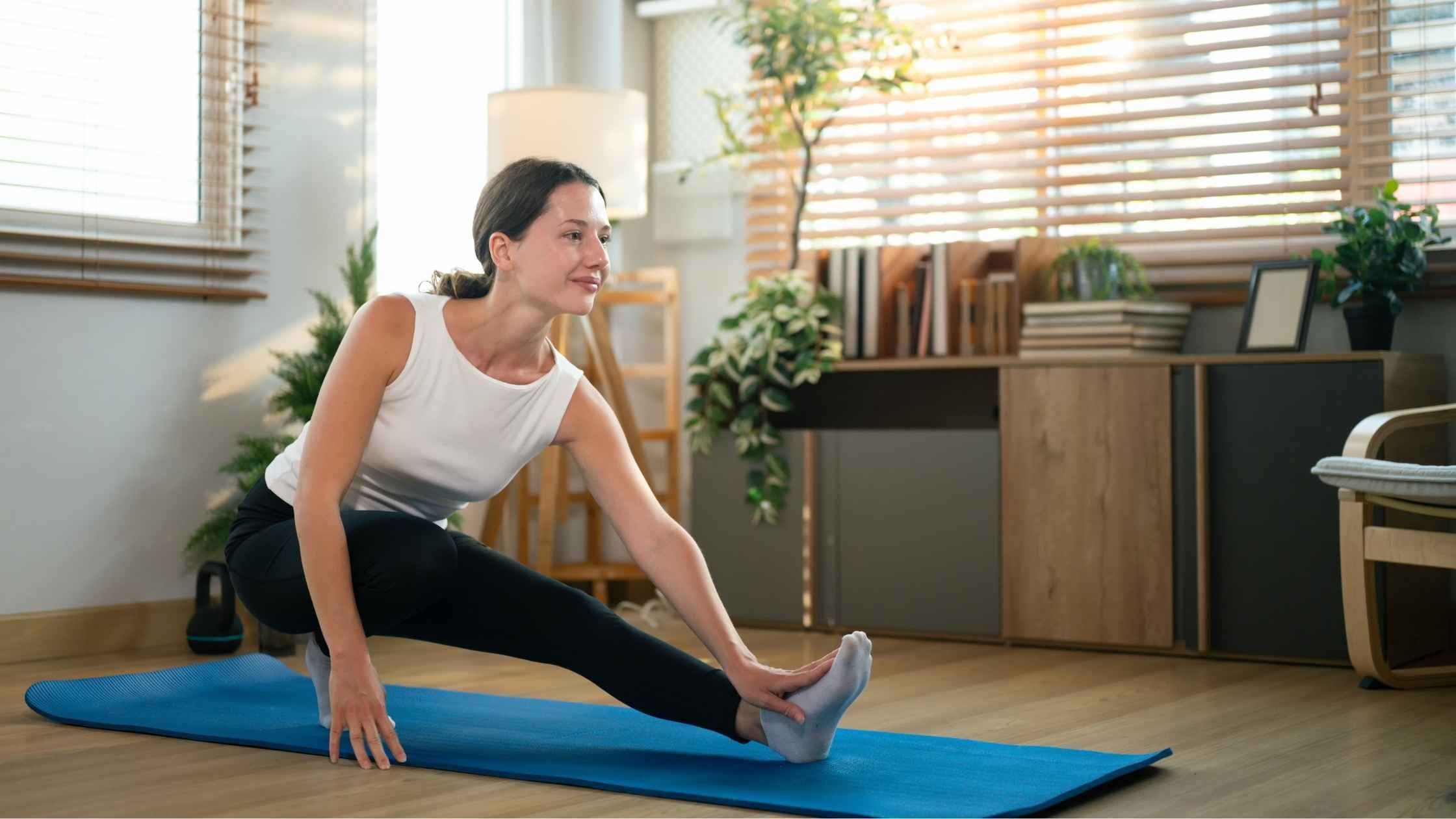
- Flexibility: Yoga or stretching to maintain range of motion
- Mindfulness: Tai Chi, Qigong, or breathing exercises for mental clarity
Start your low-impact fitness journey today with ZenFit
ZenFit's approach integrates all four elements into daily sessions designed for 10-15 minutes, making balance practical even with limited time.
Low-impact exercise offers an effective, sustainable path to better health without the wear of high-intensity training. Whether you're drawn to the simplicity of walking, the full-body benefits of swimming, or the mind-body integration of Tai Chi and Qigong, you can begin with ZenFit, from just a few minutes a day.

FAQs
Is low-impact exercise effective for weight loss?
Yes. Calorie burn depends on duration and consistency rather than intensity. Because low-impact workouts cause less fatigue, you're more likely to maintain the regularity that produces results over time.
Can you build muscle with low-impact workouts?
Yes. Low-impact strength training using resistance bands, bodyweight, or light weights effectively builds and maintains muscle. The focus on controlled movements can actually improve muscle engagement compared to rushed, high-impact alternatives.
How many days per week is best for low-impact exercise?
Most people benefit from daily low-impact movement. The gentler nature allows for frequent practice without extended recovery periods. Even brief daily sessions often produce better results than longer, less frequent workouts.
What is the best low-impact exercise for beginners?
Walking is often the best starting point. It requires no equipment, can happen anywhere, and intensity adjusts naturally to your current fitness level. From there, many beginners find Tai Chi or gentle yoga accessible next steps.
Are low-impact exercises safe for seniors?
Can you do low-impact cardio every day?
Yes. Because low-impact cardio places minimal stress on the body, daily practice is typically sustainable without overtraining concerns. This is one of the key advantages over high-impact alternatives that require rest days.