How to Age Well with Gentle Movement You Can Do Anywhere
Published on April 20, 2026 | Updated on June 17, 2026
Laura Mitchell
Laura is a wellness content creator specializing in holistic health and movement for healthy aging. As an expert in Tai Chi and Qigong, she passionately integrates Chinese wellness practices into her daily lifestyle.
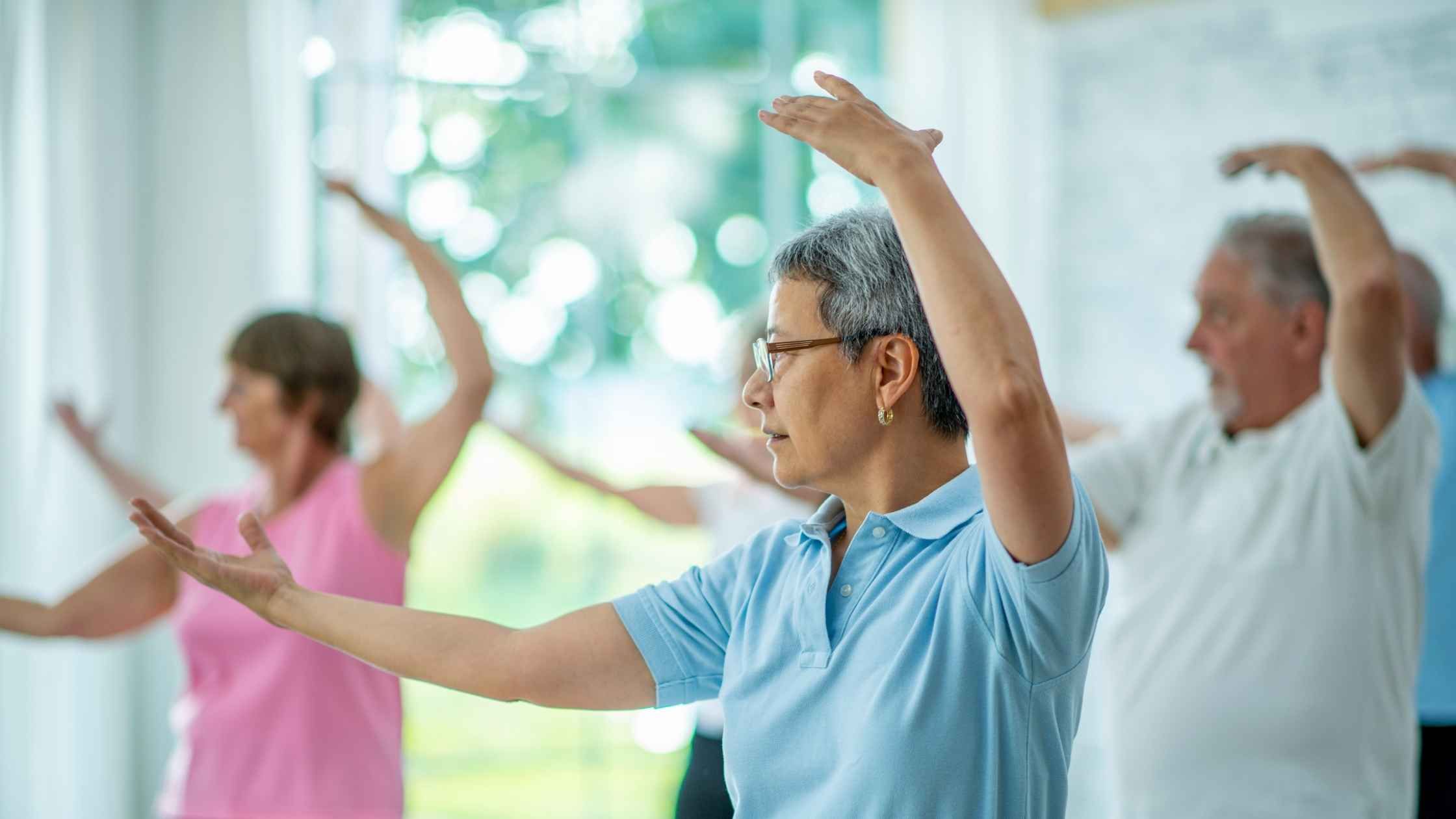
The most effective exercise for aging well isn't the most intense—it's the most consistent. Gentle daily movement like Tai Chi, Qigong, and simple stretching builds the strength, balance, and flexibility that keep you independent and active for decades.
This guide covers the science behind why low-impact movement works, five practices you can do anywhere without equipment, and how to turn a few minutes each day into a lasting habit.
Why Gentle Daily Movement Is the Foundation of Healthy Aging
Aging well with gentle daily movement comes down to consistency. Simple activities like walking, stretching, and balance work, practiced regularly and combined with strength and flexibility exercises at least twice a week, improve mobility, energy, and overall well-being. Using a chair for support, listening to your body, and staying hydrated all help make the practice sustainable.
Gentle movement means slow, controlled exercises that don't strain your joints or leave you wiped out. Think deliberate and calm rather than intense and exhausting. The goal is sustainability over decades, not quick results over weeks.
Traditional Chinese Medicine frames health as the art of balance—between effort and rest, activity and stillness, yin and yang. This principle shapes how we can approach movement as we get older. Instead of pushing harder, we learn to move smarter.
Why does this work so well for aging bodies?
-
Joint protection: Low-impact movement avoids the repetitive stress that wears down cartilage and inflames tendons over time
-
Easier consistency: Short, accessible routines are simpler to maintain year after year than demanding workout programs (currently less than 15% of adults 65+ meet physical activity guidelines)
-
Whole-body support: Gentle practices address strength, flexibility, balance, and mental clarity together rather than isolating one fitness goal
Science-Backed Benefits of Gentle Movement
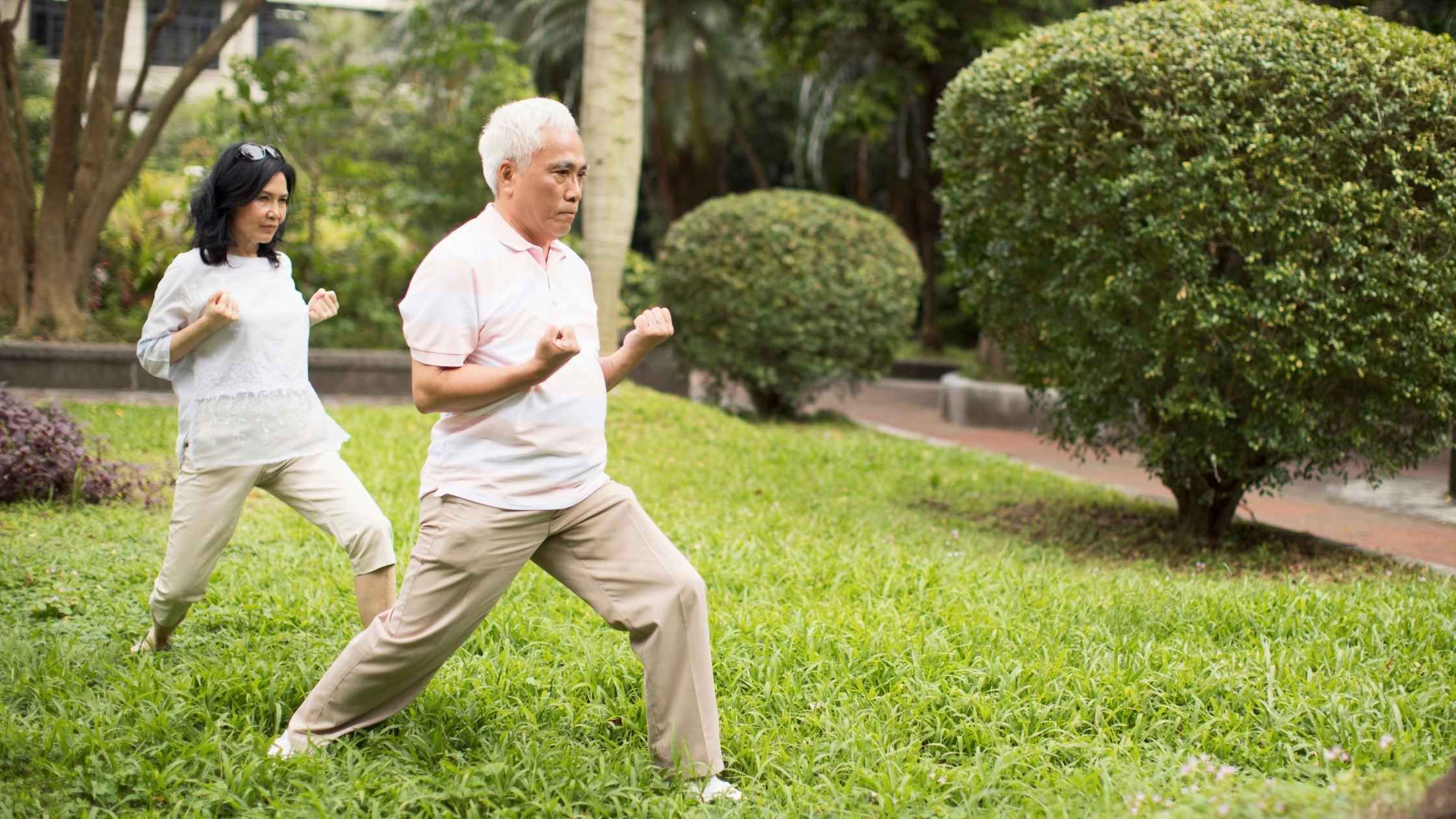
Research consistently shows that gentle, regular movement delivers meaningful health improvements for adults over 40. In many cases, the benefits match or exceed those of more intense exercise, with far less risk of injury.
Improved Balance and Fall Prevention
Greater Joint Flexibility and Reduced Stiffness
Functional Strength Without High Impact
Better Mood and Lower Stress
Enhanced Cognitive Function
Five Gentle Movements You Can Practice Anywhere
The exercises below require no equipment and work in any space where you can stand or sit comfortably—a living room, hotel room, or quiet corner of a park.
Tai Chi Walking for Balance and Coordination
Tai Chi Walking involves slow, deliberate steps with careful weight shifts from one foot to the other. You place your heel down first, then roll through to your toes while keeping your knees slightly bent.
This trains the small stabilizing muscles that prevent falls. The practice works in a hallway or even across a single room—no special space required.
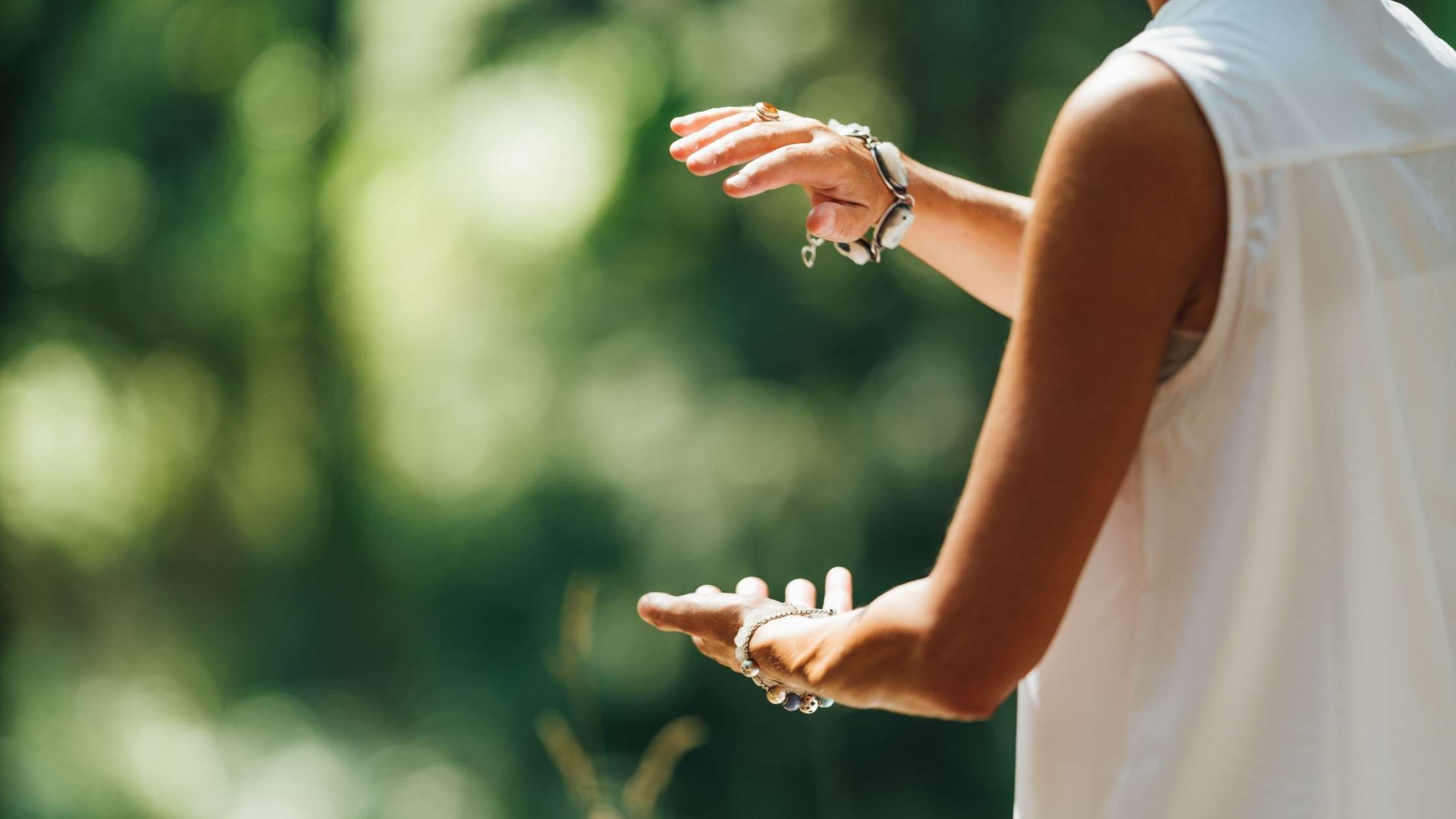
Qigong Arm Circles for Shoulder Mobility
The movement loosens shoulder joints, promotes circulation, and releases tension that accumulates from desk work or driving. Even a minute or two makes a noticeable difference in how your upper body feels.
Seated Spinal Twist for Back Flexibility
Sitting in a chair, you gently rotate your torso to one side, placing one hand on the opposite knee for support. Hold for a few breaths, then repeat on the other side.
This maintains spinal mobility and can be done at a desk, on an airplane, or anywhere you find yourself sitting for extended periods. The twist also helps counteract the forward-hunching posture that comes from screen time.
Standing Hip Opener for Lower Body Ease
A simple hip flexor stretch counteracts the tightness that develops from prolonged sitting. Standing near a wall or chair for balance, you step one foot back and gently press your hips forward until you feel a stretch in the front of your hip.
This movement helps maintain the mobility needed for walking and climbing stairs. Many people notice their stride feels longer and more comfortable after practicing regularly.
Breath-Focused Stretching for Calm Energy
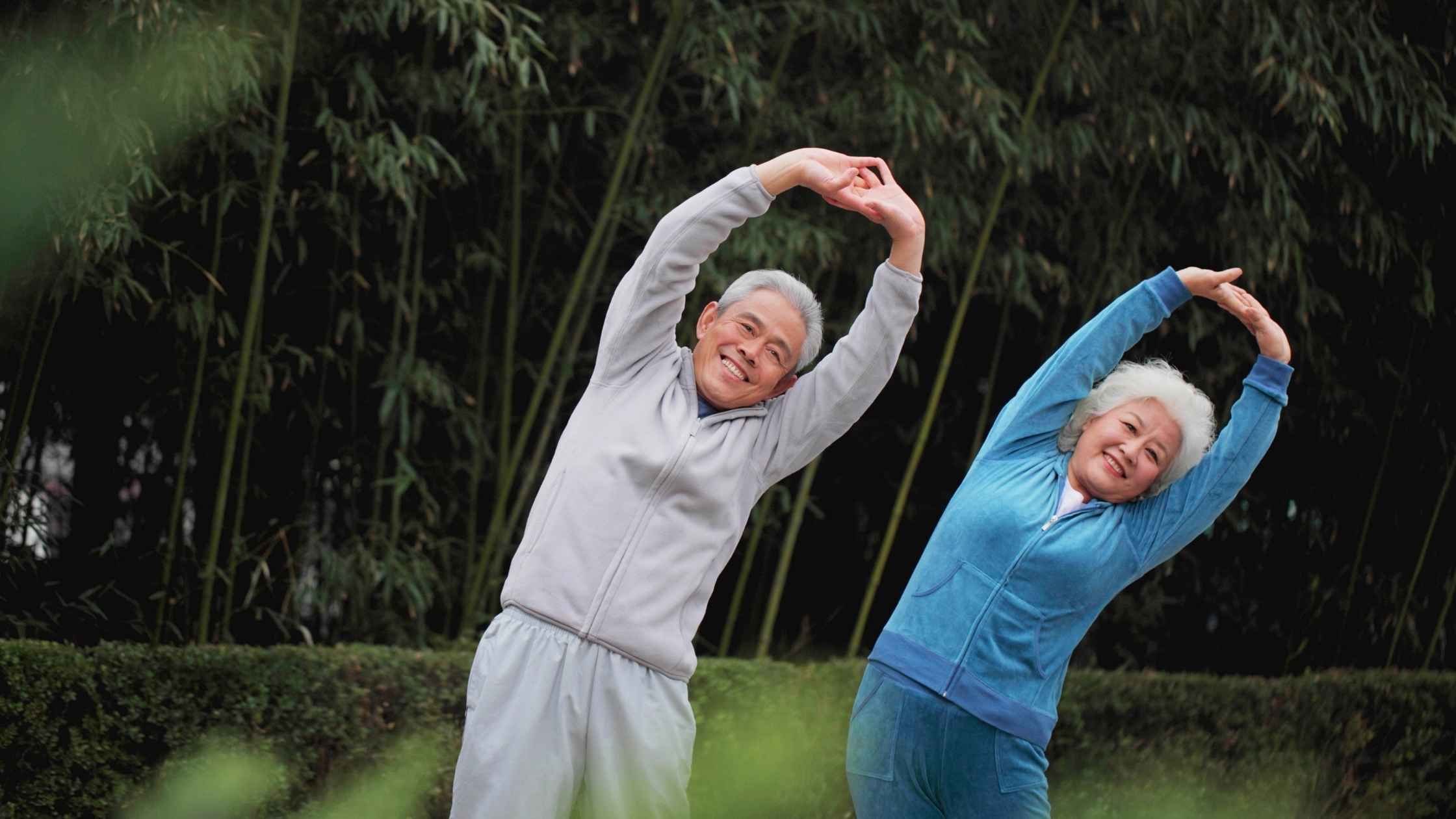
Combining slow inhales and exhales with gentle stretches creates a practice that calms the mind while releasing physical tension. Inhale as you lengthen or open the body; exhale as you deepen into the stretch.
This coordination of breath and movement is a core principle in both Tai Chi and Qigong. The rhythm naturally slows your heart rate and shifts your nervous system toward relaxation.
How to Perform Gentle Movements Safely
Starting a new movement practice feels more approachable with clear guidance. The steps below help build confidence while protecting your body from strain.
1. Begin with a Brief Warm-Up
Light marching in place or slow arm swings prepare your muscles and joints for movement. Even two minutes of gentle activity increases blood flow and reduces the risk of strain.
2. Move Slowly and with Intention
Quality matters more than speed. Controlled movement builds body awareness and reduces injury risk. Rushing through exercises defeats the purpose of gentle practice entirely.
3. Modify Based on Your Body
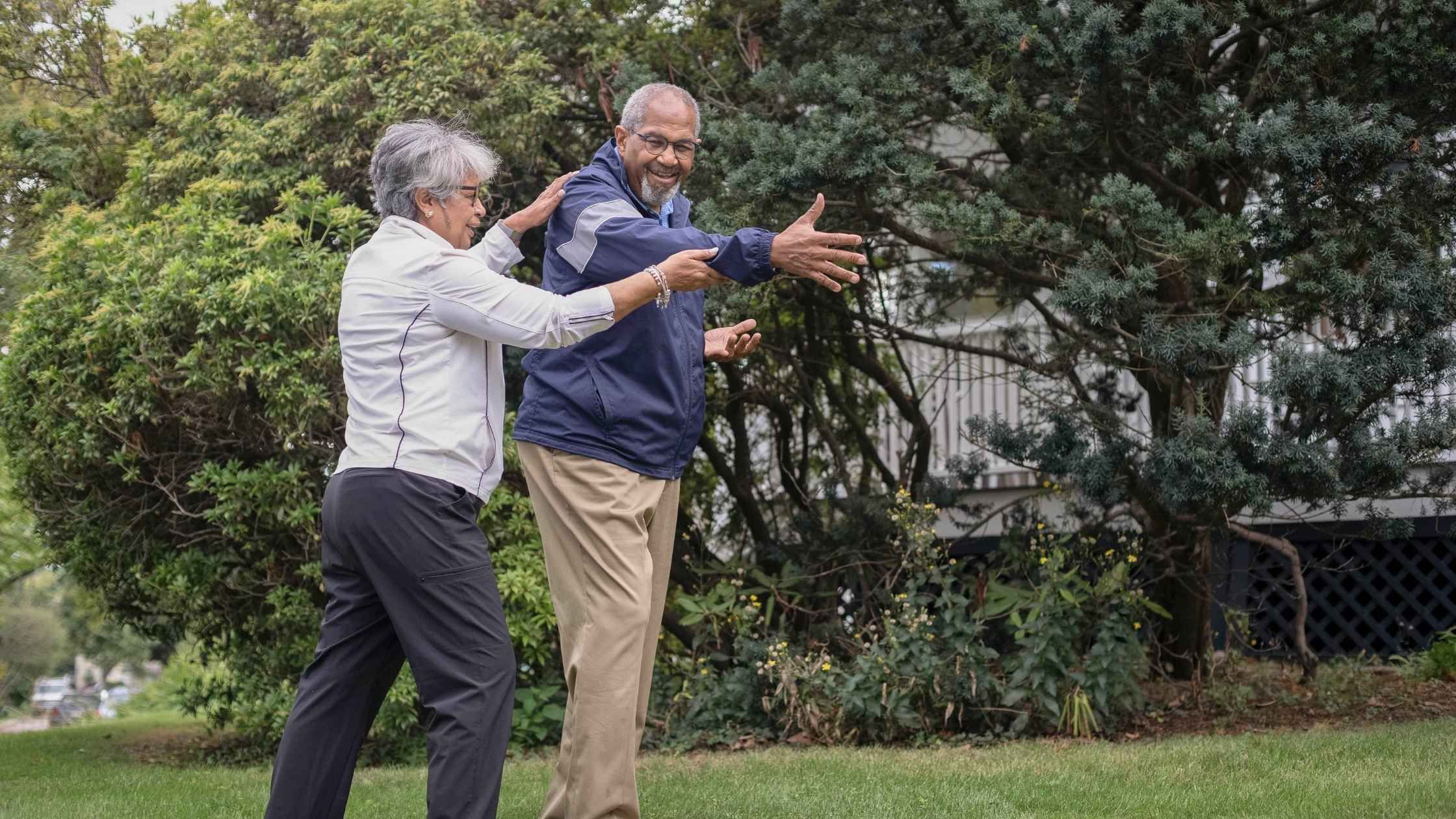
Using a chair or wall for support is smart, not weak. If a movement causes discomfort, adjust your range of motion or try a seated variation. Your practice adapts to you, not the other way around.
4. Coordinate Movement with Breath
Inhale during expansion or lifting; exhale during contraction or lowering. This rhythm comes naturally with practice and deepens the calming effect of gentle movement.
5. Finish with a Moment of Stillness
Standing or sitting quietly for a few breaths allows your body to absorb the practice. This brief pause also serves as a transition back into your day, helping you carry the calm feeling forward.
Simple Tests That Reveal How Well You Are Aging
The self-assessments below help you notice improvements over time. They're not medical diagnoses—just practical ways to track your progress and see what's changing.
The Sit-to-Stand Test
Rising from a chair without using your hands reveals leg strength and balance. If this feels challenging now, it often becomes easier within weeks of consistent gentle movement practice.
The Single-Leg Balance Test
Standing on one foot with your eyes open tests stability. Most adults find they can hold this position longer after practicing balance-focused exercises like Tai Chi walking, with 94% reporting improved balance from such programs.
The Overhead Reach Test
Reaching your arms fully overhead shows shoulder mobility and posture. Limited range here often improves with regular arm circles and stretching.
The Floor-to-Stand Test
Lowering yourself to the floor and standing back up without support demonstrates overall mobility and functional strength. This movement pattern becomes more accessible as flexibility and leg strength improve.
How to Make Gentle Movement a Daily Habit
Consistency matters more than duration. A few minutes every day builds more lasting change than occasional longer sessions that get skipped when life gets busy.
-
Anchor to an existing routine: Practice after morning tea or before bed to create a natural trigger that doesn't require willpower
-
Start with just five minutes: Shorter sessions reduce resistance and build momentum, making it easier to show up day after day
-
Use reminders: App notifications or calendar alerts help maintain streaks during busy weeks when practice might otherwise slip
-
Track your progress: Logging energy levels and mood reinforces motivation by showing you what's actually working
The ZenFit app includes daily practice reminders and streak tracking to help you build consistency without relying on willpower alone.
Why Gentle Movement Works Best with ZenFit
ZenFit brings together the practices described above—Tai Chi, Qigong, breath-focused stretching—into guided routines designed for real schedules and real bodies.
-
Step-by-step video classes: Tai Chi and Qigong programs built for beginners and those with joint concerns, with sessions as short as five minutes
-
AI-powered personalization: Routines tailored to your body type and health goals using Traditional Chinese Medicine principles
-
Daily reminders and streak tracking: Tools that help you build the consistent habit that makes gentle movement effective
-
Energy and mood tracking: Long-term wellness insights that show how your practice improves your vitality over time

Start Your Journey with ZenFit
Gentle daily movement is one of the most effective ways to maintain strength, balance, and vitality as you age. It doesn't require a gym, special equipment, or hours of free time. The practices in this article can be done anywhere, adapted to any fitness level, and completed in minutes.
FAQs
Is gentle movement enough exercise to age well?
Yes—consistent, low-impact movement supports strength, balance, and flexibility without the joint strain of high-intensity workouts. For many adults over 40, this approach is more sustainable and equally effective for long-term health.
Can people with joint pain or arthritis practice gentle movement?
Gentle movement like Tai Chi and Qigong is specifically designed to be joint-friendly. Many practitioners find these practices help reduce stiffness and discomfort over time, though consulting a healthcare provider is wise if you have specific concerns.
How many minutes of gentle movement do adults benefit from each day?
Even five to fifteen minutes of daily practice can provide meaningful benefits. The key is consistency rather than duration—short sessions you actually do are more valuable than longer sessions you skip.
Do gentle movement routines require any equipment?
No—practices like Tai Chi, Qigong, and stretching require no equipment and can be done anywhere with enough space to stand or sit comfortably. A chair or wall for balance support is helpful but optional.
What makes Tai Chi and Qigong ideal for healthy aging?
Both practices combine slow, deliberate movement with breath coordination and mental focus. This integration addresses physical, mental, and emotional well-being simultaneously—exactly what aging bodies and minds benefit from most.