Complete Daily Tai Chi Routine for Better Sleep and Lasting Energy
Published on March 25, 2026 | Updated on March 27, 2026

Laura Mitchell
Laura is a wellness content creator specializing in holistic health and movement for healthy aging. As an expert in Tai Chi and Qigong, she passionately integrates Chinese wellness practices into her daily lifestyle.

Tai chi offers a different approach—one that addresses both sleep and energy through the same gentle practice. Below, you'll find complete morning and evening routines you can start today, along with the science behind why slow, flowing movement works so well for restoring balance to your body's natural rhythms.
What is Tai Chi
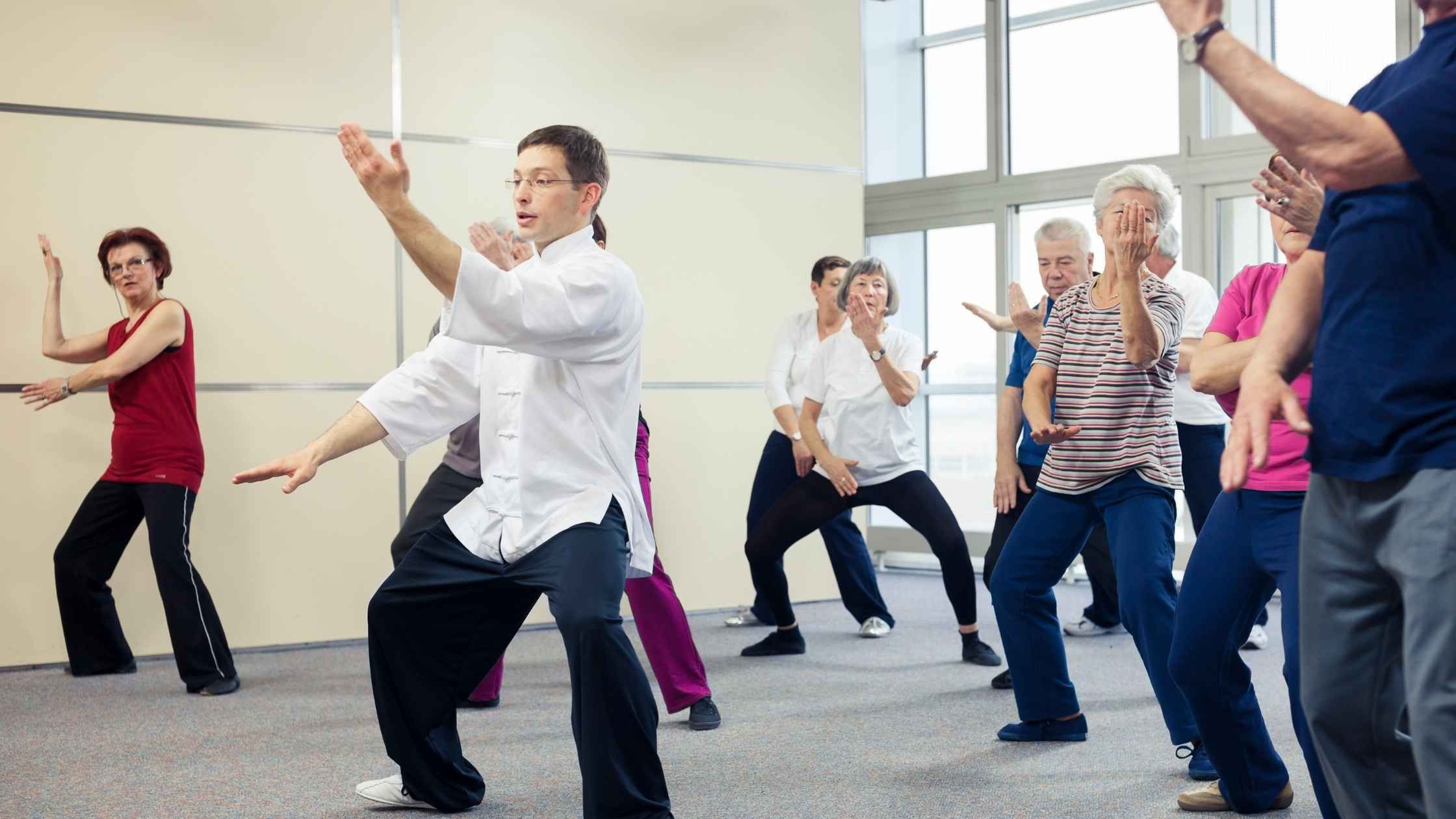
Tai chi is a slow, flowing movement practice that originated in China centuries ago. It combines gentle physical motion with deep breathing and focused attention. Originally developed as a martial art, tai chi is now practiced primarily for health benefits, including stress reduction, improved balance, and better sleep.
The practice is built around the concept of qi (pronounced "chee"), which refers to the body's vital energy in Traditional Chinese Medicine. When qi flows smoothly, you tend to feel balanced and alert. When it gets stuck or depleted, fatigue and restlessness often follow.
What makes tai chi different from other forms of exercise is its emphasis on softness over force. The movements are low-impact and accessible to people of all ages and fitness levels. You can practice in a small space with no equipment at all.
How Tai Chi improves sleep quality and boosts energy
Here's something that might seem contradictory at first: the same practice can help you sleep more deeply at night and feel more energized during the day. The explanation comes down to how tai chi affects your nervous system.
When you move slowly and breathe deeply, your body shifts out of "fight or flight" mode and into "rest and digest" mode. This calms the stress response that often keeps people awake at night. At the same time, the coordinated breathing increases oxygen flow throughout your body, which naturally lifts energy levels without any stimulants.
In Traditional Chinese Medicine, this balance reflects the relationship between yin and yang. Sleep represents yin (rest, stillness, recovery), while energy represents yang (activity, alertness, vitality). Tai chi works to harmonize both sides.
- Nervous system regulation: Slow movements activate the parasympathetic nervous system, shifting your body toward calm.
- Qi circulation: Flowing motion encourages energy to move through the body rather than stagnate.
- Breath coordination: Deep belly breathing oxygenates muscles and quiets racing thoughts.
Science-backed benefits of daily tai chi practice
Improves sleep quality and duration
People who practice tai chi regularly tend to fall asleep faster and stay asleep longer. A systematic review of clinical trials found significant improvements in sleep quality among older adults who practiced tai chi consistently over several weeks. [1]
Increases natural energy without stimulants
Rather than borrowing energy from caffeine or sugar, tai chi helps your body produce its own. Practitioners commonly report feeling less fatigued and more alert during the day after establishing a regular practice. [2]
Reduces stress and calms the nervous system
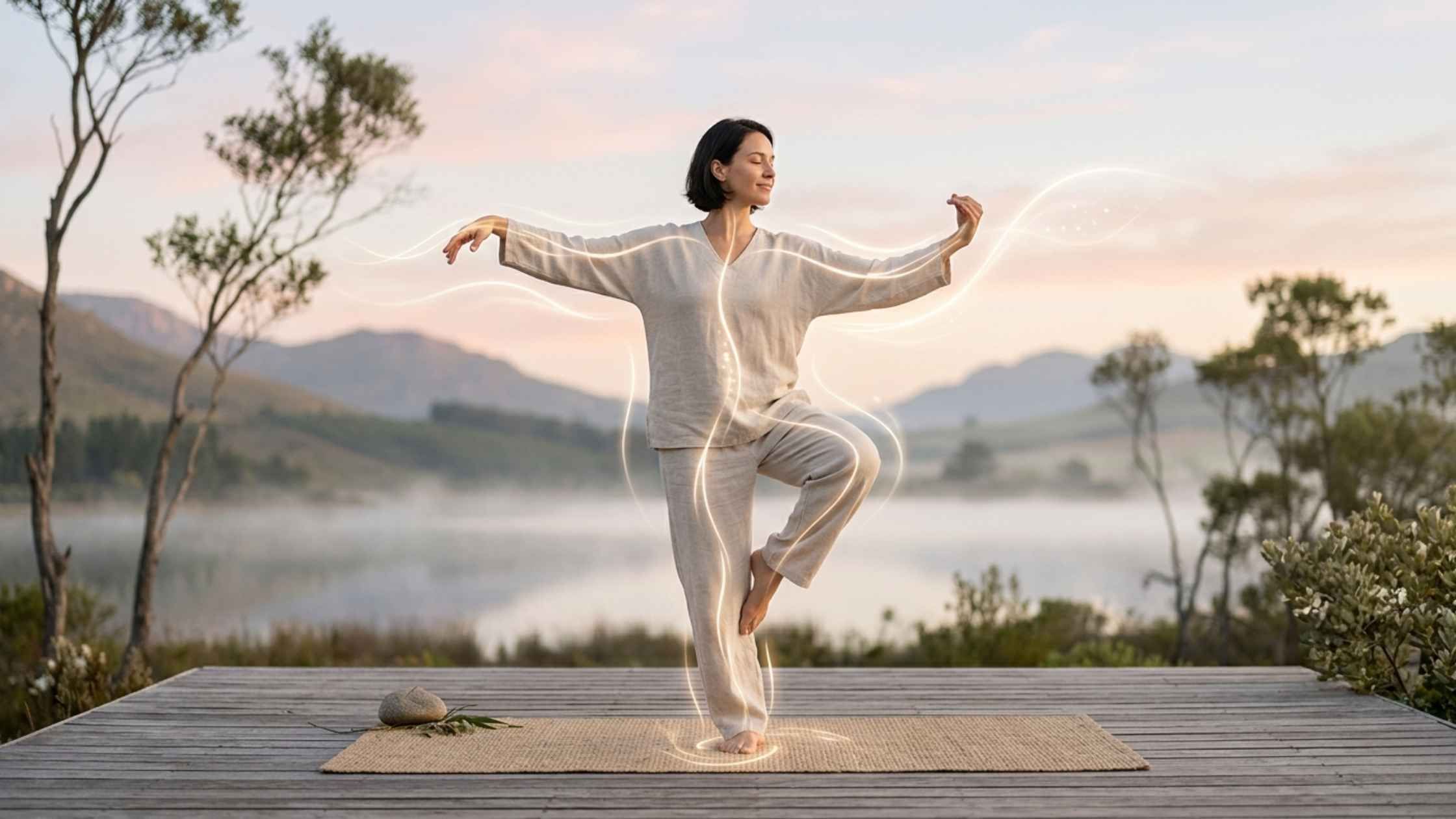
Tai chi has been shown to lower cortisol, the body's primary stress hormone. Lower cortisol levels contribute to both better sleep and more stable energy throughout the day. [3]
Enhances balance and flexibility
The weight-shifting movements in tai chi strengthen proprioception, which is your body's sense of where it is in space. This benefit is particularly valuable for adults over 40 who want to maintain mobility and prevent falls. [4]
Supports mental clarity and focus
The meditative quality of tai chi practice improves concentration and reduces mental fog. When your mind is clearer, you naturally feel more present and alert. [5]
Best time to practice tai chi for sleep and energy
Timing matters. When you practice can shape what benefits you experience most.
| Goal | Best Time | Why It Works |
|---|---|---|
| Boost energy | Morning | Wakes up the body gently and stimulates qi flow for the day ahead |
| Improve sleep | Evening (1-2 hours before bed) | Activates the relaxation response and releases physical tension |
| Both benefits | Morning and evening | Short sessions at each time address both goals |
Morning practice for energy
Morning tai chi wakes up your body without shocking it. The gentle movements release overnight stiffness and set a calm but alert tone for the hours ahead. Traditionally, practitioners perform tai chi before breakfast on an empty stomach, though any morning time works well.
Even five minutes of slow, intentional movement can shift how you feel for the rest of the day.
Evening practice for sleep
Practicing one to two hours before bed helps your body transition from the activity of the day into a restful state. The key is to avoid practicing immediately before sleep. Your body benefits from some settling time after movement, even gentle movement.
Tip: If you're just starting out, pick one time of day and stick with it for a few weeks. You can always add a second session later once the habit feels natural.
Five-minute morning tai chi routine for natural energy
This sequence is designed for beginners and can be done in a small space. Move slowly and let your breath guide each movement rather than rushing through.
1. Gathering the chi
Stand with your feet shoulder-width apart. Slowly raise your arms to chest height while inhaling, then lower them while exhaling. This movement centers your attention and begins qi circulation. Repeat three to five times.
2. Opening and closing
Extend your arms outward on an inhale, then draw them back toward your chest on an exhale. This opens the chest, expands lung capacity, and awakens the upper body. The motion is like opening a window and then gently closing it.
3. Drawing the bow
Step into a wide stance and extend one arm as if drawing a bow while the other pulls back. Alternate sides. This builds core strength and sends energy into the limbs.
4. Raising and lowering
Raise both palms overhead on an inhale, then press down slowly on an exhale. This stretches the spine and promotes energy flow through the center of your body.
5. Floating palms
Let your arms float gently up and down as if resting on water. This integrates the previous movements and cultivates a sense of calm alertness to carry into your day.
Five-minute evening tai chi routine for better sleep
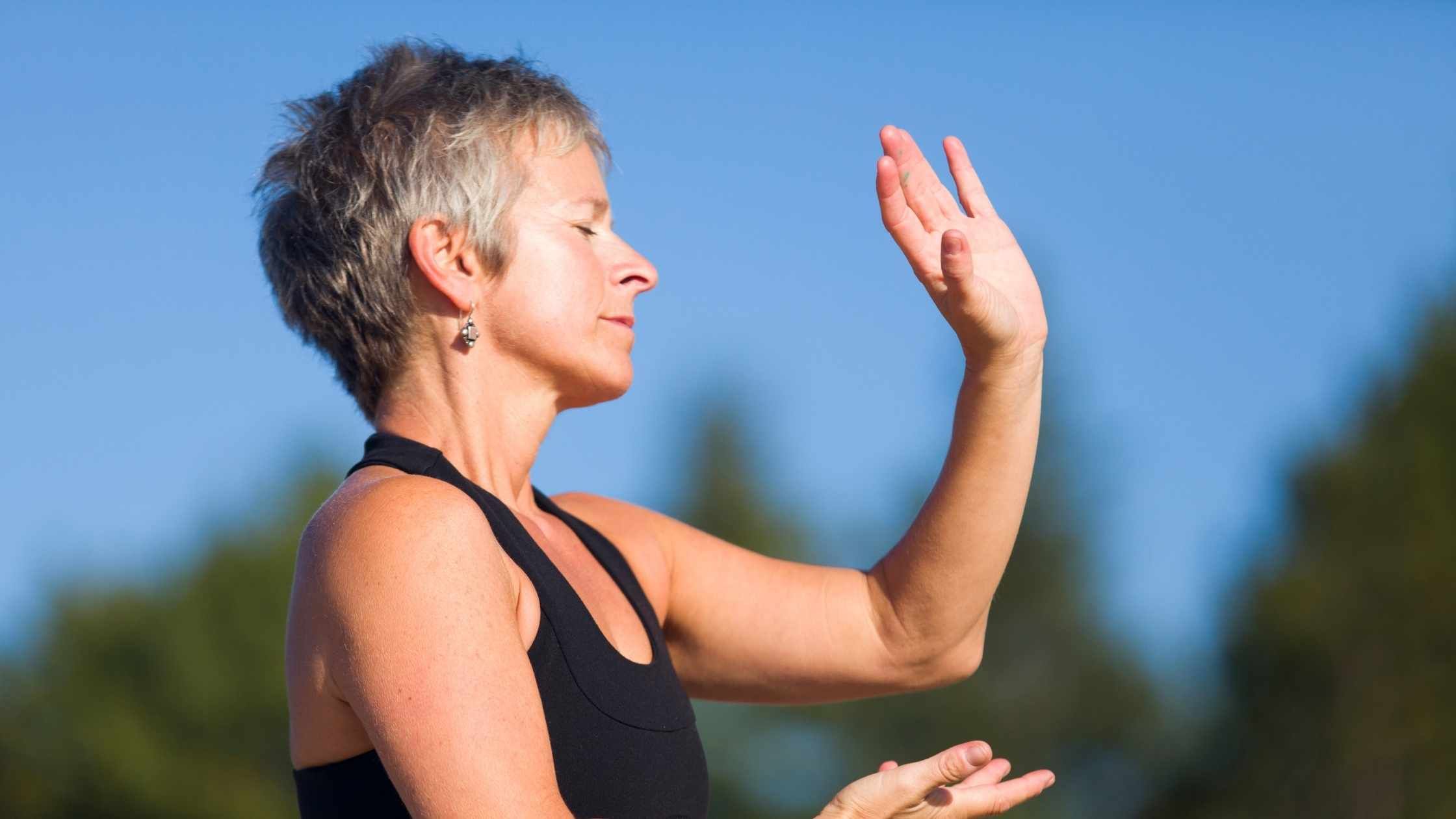
This sequence is slower and more inward-focused than the morning routine. The goal is to release tension accumulated during the day. If possible, practice in dim lighting to signal to your body that rest is coming.
1. Wave hands like clouds
Shift your weight from side to side while your arms move in gentle horizontal arcs at chest height. This meditative movement quiets mental chatter and relaxes the shoulders. Let your gaze soften.
2. Parting the wild horse's mane
Step forward while one arm rises and the other lowers in a flowing diagonal motion. Alternate sides. This releases tension in the hips and lower back, areas where many people hold stress.
3. Embrace the tree
Stand with your knees slightly bent and your arms rounded as if hugging a large tree. Hold for several breaths. This grounding posture calms the nervous system and brings your attention inward.
4. Repulse the monkey
Step backward while alternating arm movements, as if gently pushing something away. This movement symbolically releases the day's worries and creates space for rest.
5. Closing form
Return to standing with your hands resting on your lower abdomen. Take several deep breaths. This seals the practice and signals to your body that it's time to wind down.
How to start a daily tai chi practice
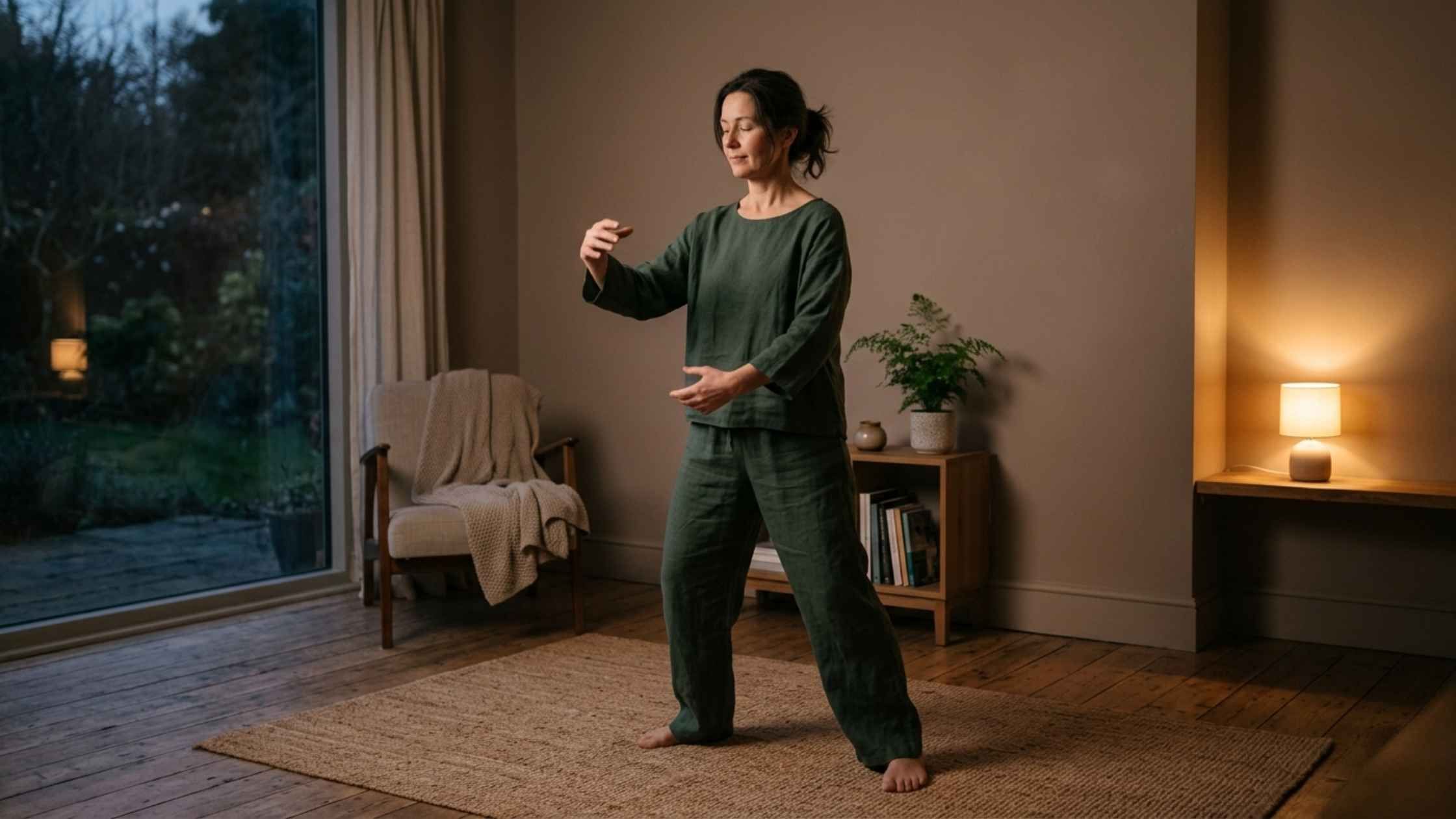
Building a sustainable habit matters more than perfecting your form right away. Consistency beats intensity when it comes to tai chi.
Five minutes daily delivers more benefit than thirty minutes once a week. The body responds to regular practice, and the nervous system learns to shift into a calmer state more easily over time.
One helpful approach is to link your practice to something you already do every day. After waking up, before bed, or during a lunch break all work well. When tai chi becomes part of an existing routine, it feels less like an extra task and more like a natural part of your day.
- Space: Find a quiet area with enough room to extend your arms. No equipment is needed.
- Clothing: Wear something comfortable that allows easy movement. Bare feet or flat shoes work best.
- Breathing: Inhale through your nose as your arms rise or open. Exhale through your mouth as they lower or close. Let breath lead movement.
Tracking your progress can help you notice improvements that might otherwise go unnoticed. A simple log of energy levels and sleep quality, or an app that automates tracking, reveals patterns over time.
Why practice daily tai chi with ZenFit
ZenFit brings together traditional tai chi instruction with tools designed for real schedules and measurable progress.
- Step-by-step video guidance: Follow along with clear, beginner-friendly instruction for each movement.
- Morning and evening routines: Access dedicated sequences designed specifically for energy and sleep.
- Personalized recommendations: Receive AI-powered suggestions based on your body type and TCM constitution.
- Progress tracking: Monitor energy levels, sleep quality, and practice streaks over time.
- Quick sessions: Complete your daily practice in just 5-15 minutes.
Ready to start your journey?
Daily tai chi offers a path to better sleep and lasting energy that works with your body's natural rhythms. With just a few minutes each day, you can begin experiencing benefits that practitioners have valued for thousands of years.
Frequently asked questions about daily tai chi for sleep and energy
What is the 10 5 3 2 1 rule for sleep?
This sleep hygiene guideline suggests no caffeine 10 hours before bed, no food 3 hours before, no work 2 hours before, and no screens 1 hour before. Tai chi fits well into that final screen-free hour as a calming pre-sleep activity.
What is the 70 percent rule in tai chi?
The 70 percent rule means never extending your joints, muscles, or effort to full capacity. Staying at roughly 70 percent keeps movements gentle, prevents strain, and allows energy to flow freely. This principle is especially helpful for beginners who might otherwise push too hard.
How long does it take to see results from daily tai chi practice?
Most practitioners notice improvements in sleep quality and daytime energy within the first two to three weeks of consistent daily practice. Deeper benefits continue developing over months as the body adapts.
Can people with joint pain or limited mobility practice tai chi safely?
Yes. Tai chi is specifically designed as a low-impact practice. Movements can be modified for seated positions or smaller ranges of motion, making the practice accessible for people with physical limitations.
Is tai chi more effective than yoga for improving sleep and energy?
Both practices offer similar benefits. Tai chi's continuous flowing movements and emphasis on qi circulation make it particularly well-suited for people who find static yoga poses uncomfortable or who prefer gentle, standing exercise. The best choice depends on personal preference.