8 Low-Impact Exercises to Improve Circulation Naturally
Published on March 31, 2026

Laura Mitchell
Laura is a wellness content creator specializing in holistic health and movement for healthy aging. As an expert in Tai Chi and Qigong, she passionately integrates Chinese wellness practices into her daily lifestyle.
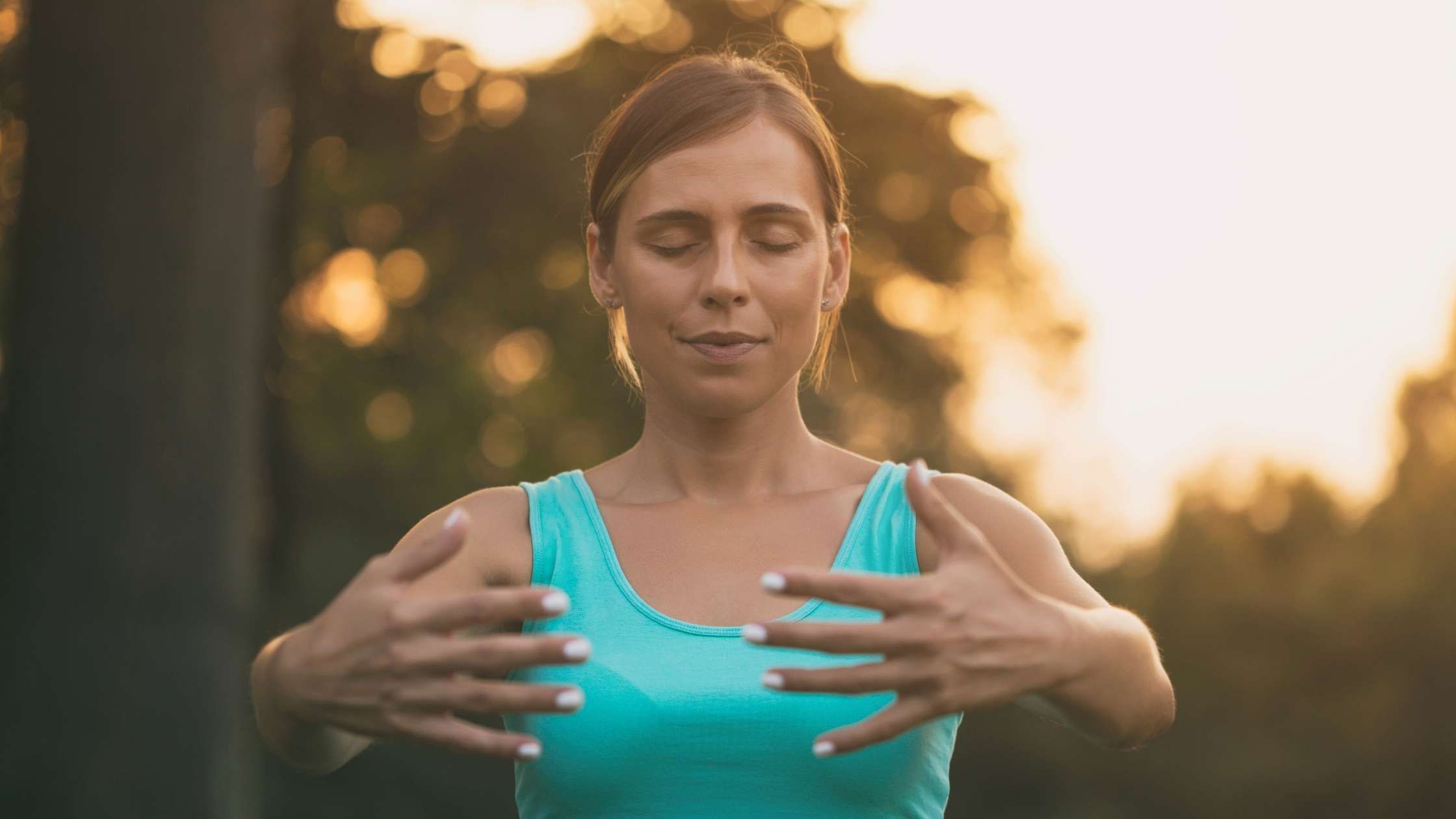
Cold feet, tired legs, or that pins-and-needles feeling after sitting too long—these are often the body's way of signaling that blood isn't flowing as freely as it could. The good news is that improving circulation doesn't require intense workouts or expensive equipment.
Gentle, low-impact movement activates the muscles that help pump blood back toward the heart, supporting vascular health without stressing the joints. Below, you'll find eight accessible exercises, practical stretches, and daily habits that can help restore healthy blood flow naturally.
Why healthy circulation matters
Circulation is the continuous flow of blood through your body, delivering oxygen and nutrients to tissues while carrying away waste. When blood flow slows down, cells don't receive what they need to function well. Over time, sluggish circulation can affect energy levels, healing speed, and how you feel day to day.
In Traditional Chinese Medicine, healthy blood flow connects closely to qi—the vital energy that moves through the body's meridians. When qi flows freely, blood follows. This relationship explains why gentle, rhythmic movements have been central to Chinese wellness practices for thousands of years.
Signs of poor circulation
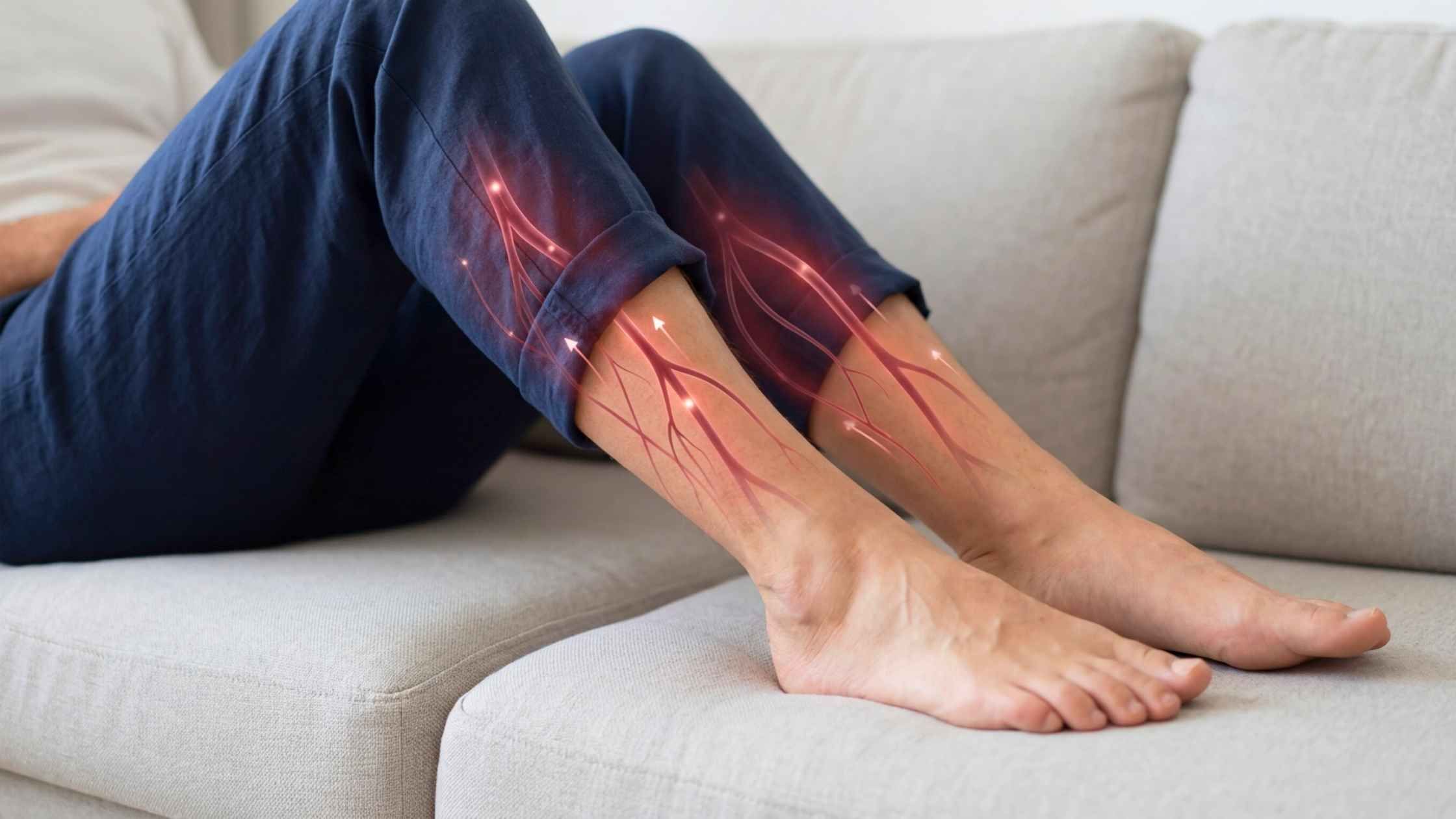
The body often sends clear signals when blood isn't flowing as well as it could. You might notice circulation issues before you ever see a doctor.
- Cold hands and feet: Often the first noticeable symptom, especially in cooler environments
- Numbness or tingling: A pins-and-needles sensation in the hands, feet, or legs
- Swelling in the lower legs or ankles: Can indicate blood pooling in the extremities
- Muscle cramps or fatigue: Reduced oxygen delivery makes muscles tire more quickly
- Slow wound healing: Circulation directly affects how fast your body repairs itself
If any of these feel familiar, gentle movement can be a practical first step toward improvement.
8 low-impact exercises to increase blood flow
The exercises below are gentle on joints, accessible for beginners, and effective for promoting circulation. You don't need special equipment or a gym membership—just a willingness to move a little each day.
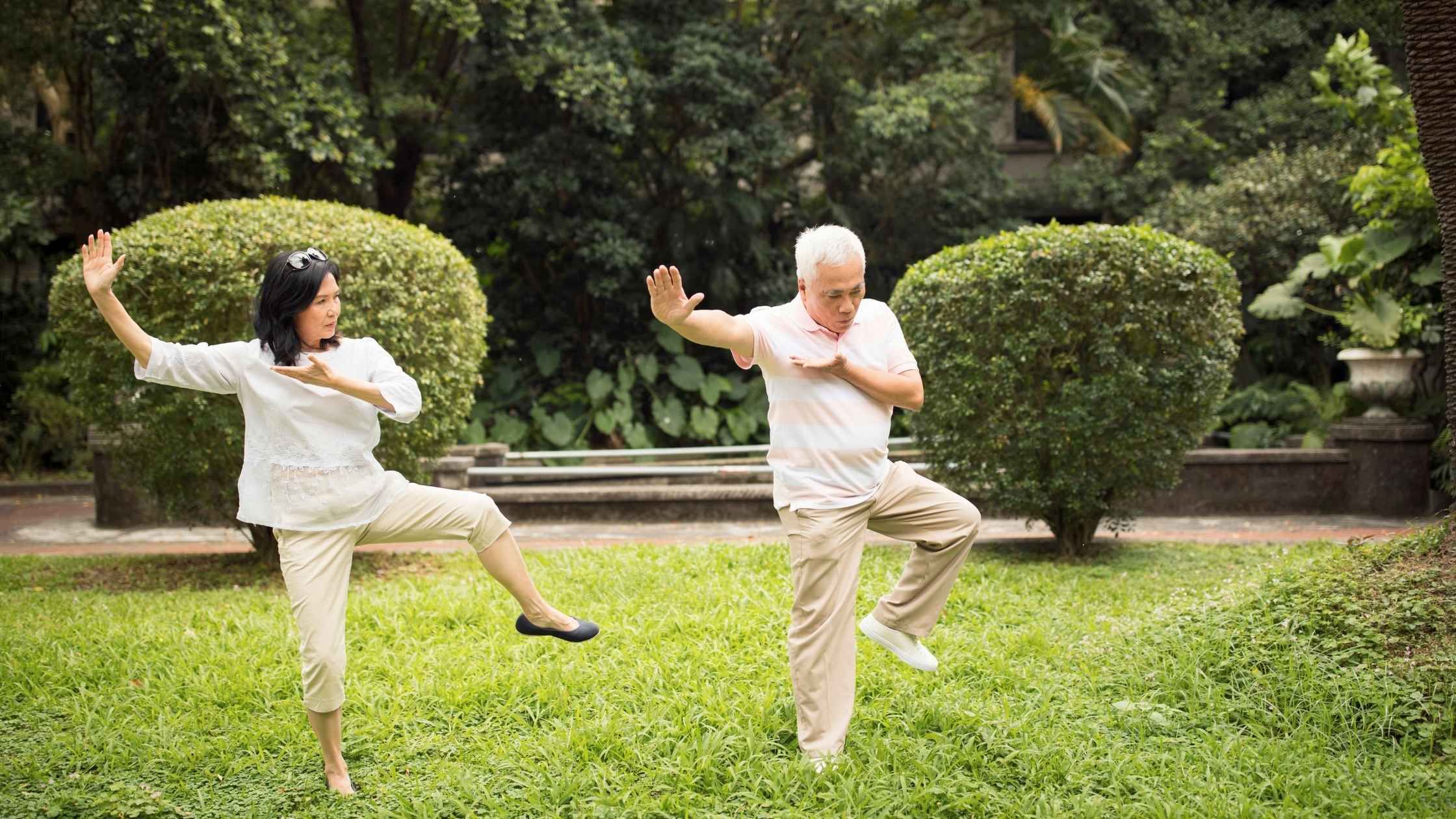
1. Tai chi
Tai chi uses slow, continuous movements that flow from one posture to the next. This rhythmic motion activates the calf muscle pump, helping push blood from the lower legs back toward the heart.
In TCM, tai chi is valued for its ability to move both qi and blood, supporting circulation at a foundational level. The practice works well for all fitness levels and can be done in as little as 10 minutes a day.
2. Qigong
Qigong combines gentle movement with coordinated breathing. The focus on breath helps support venous return, while the movements open energy pathways throughout the body.
Many qigong exercises can be performed standing or seated, making them a good fit for those with limited mobility or joint concerns.
3. Walking
Walking is perhaps the most accessible exercise for improving leg circulation. Each step engages the calf muscles, which act as a "second heart" by pumping blood upward against gravity.
Even 20 minutes of brisk walking daily can make a noticeable difference. If you're just starting out, shorter walks spread throughout the day work well too.
4. Yoga
Yoga promotes circulation through a combination of muscle engagement, relaxation, and breath awareness. Poses that elevate the legs—like Legs Up the Wall—use gravity to help move fluid out of the lower body.
Gentle yoga sequences work particularly well for those who want to combine flexibility work with circulation support.
5. Swimming
Even gentle water walking or aqua aerobics can offer similar benefits for those who prefer staying in the shallow end.
6. Cycling
Pedaling engages the large muscles of the legs, which helps pump blood efficiently. Stationary cycling is an excellent indoor option, especially during colder months or for those who prefer exercising at home.
Starting with 10–15 minutes at a comfortable pace and gradually increasing as endurance builds tends to work well for most people.
7. Leg lifts
Leg lifts are a simple way to improve circulation while lying down. By elevating the legs, you use gravity to assist blood flow back toward the heart.
To practice: lie on your back, keep one leg flat, and slowly raise the other leg toward the ceiling. Hold briefly, then lower and switch sides. Repeat 10–15 times per leg.
8. Ankle circles and foot pumps
Ankle circles and foot pumps can be done while seated at a desk, on a plane, or watching television. They're ideal for anyone who sits for long periods and wants to keep blood moving in the lower legs and feet.
- Ankle circles: Rotate each foot slowly in both directions, 10–15 times per foot
- Foot pumps: Flex your foot upward, then point your toes downward, repeating 15–20 times
These small movements take less than a minute and can be repeated throughout the day.
Stretches for blood circulation
Stretching releases muscle tension that can compress blood vessels and restrict flow. The stretches below complement the exercises above and help maintain flexibility in areas that commonly become tight.
Calf stretch
The calf muscle plays a central role in pumping blood from the lower legs. A simple wall stretch—placing your hands on a wall and stepping one foot back while keeping the heel down—can help release tightness in this area.
Hamstring stretch
Tight hamstrings can compress blood vessels in the back of the leg. A seated forward fold or lying hamstring stretch helps maintain flexibility and supports better blood flow through the thighs.
Hip flexor stretch
Prolonged sitting tightens the hip flexors, which can impede circulation to the legs. A gentle lunge stretch opens this area effectively and counteracts the effects of desk work.
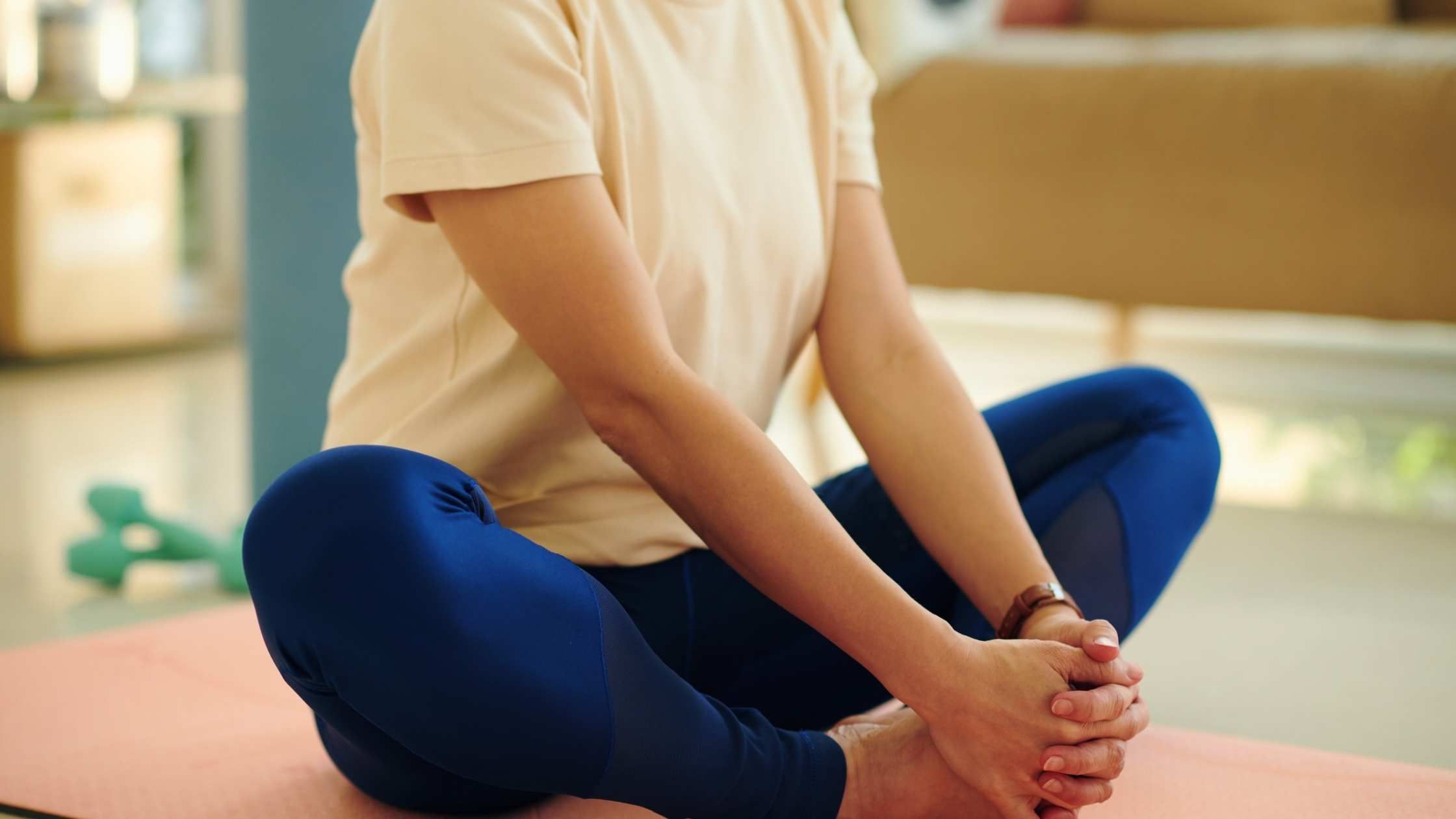
Seated forward fold
This gentle stretch promotes blood flow to the legs while calming the nervous system. It works well as a transition between more active movements or as part of a cool-down routine.
How to improve circulation in your legs and feet
Beyond exercise, a few practical habits can support blood flow in the lower body throughout the day.
- Elevate your legs: Position your legs above heart level for 10–15 minutes daily to use gravity to your advantage
- Flex and point your feet regularly: This simple movement helps get circulation moving in the feet
- Avoid crossing your legs when seated: This common posture can restrict blood flow through the thighs
- Wear supportive footwear: Proper shoes support healthy foot mechanics and don't constrict circulation
- Try a simple foot massage: Manual pressure stimulates blood flow in the feet and feels good too
| Seated exercises | Standing exercises |
|---|---|
| Ankle circles | Walking |
| Foot pumps | Tai chi |
| Seated leg lifts | Calf raises |
| Toe raises | Gentle yoga |
Tip: Setting a reminder to move for 2–3 minutes every hour can help if you work at a desk. Even brief movement breaks add up over the course of a day.
Science-backed benefits of low-impact exercise for circulation
Research supports the effectiveness of gentle movement for vascular health. Here's what studies have found:
- Improves endothelial function: Regular low-impact exercise helps blood vessel walls become more responsive and flexible 1
- Reduces blood pressure: Consistent gentle movement is directly connected to better arterial health 2
- Enhances venous return: Muscle contractions push deoxygenated blood back to the heart more efficiently 3
- Decreases inflammation: Chronic inflammation negatively affects circulation, and exercise helps reduce inflammatory markers 4
- Supports capillary health: Gentle movement promotes microcirculation in the smallest blood vessels 5
Lifestyle habits that promote blood circulation
Stay hydrated throughout the day
Water helps maintain blood volume and viscosity, allowing blood to flow more easily through vessels. Consistent hydration throughout the day tends to work better than drinking large amounts at once.
Eat foods that support blood flow
From a TCM perspective, warming foods like ginger and cinnamon support circulation, while leafy greens provide nutrients that benefit vascular health. Small dietary adjustments can complement a movement practice without requiring a complete overhaul.

Avoid prolonged sitting or standing
Manage stress with mindful breathing
Deep diaphragmatic breathing creates pressure changes in the chest that help draw blood back toward the heart. This directly connects breath to circulation, which is why breathing exercises are central to practices like qigong and tai chi.
Why practice low-impact movement with ZenFit
ZenFit brings together the circulation-supporting practices of tai chi and qigong with modern wellness tracking. The app offers step-by-step video classes designed for all levels, with sessions as short as 5–15 minutes that fit into real schedules.
The integration of TCM principles—including the connection between breath, movement, and blood flow—provides a holistic approach that addresses circulation as part of overall vitality. With guided breathing exercises, personalized practice plans, and daily reminders, ZenFit helps build the consistency that matters most for long-term circulation health.
Ready to start your journey
Begin practicing tai chi and qigong with ZenFit today. Short, guided sessions make it easy to support your circulation naturally—no gym required.
Frequently asked questions about exercises for circulation
How can I improve my blood circulation quickly?
Short bursts of movement like ankle circles, calf raises, or a brief walk can stimulate blood flow within minutes. Combining movement with deep breathing enhances the effect by supporting venous return.
What is the best low-impact exercise for poor circulation in seniors?
Tai chi and gentle walking are particularly effective for older adults because they improve circulation while also supporting balance and joint health without strain.
Can I improve foot circulation while sitting at a desk?
Yes—ankle circles, toe raises, and foot pumps can all be performed while seated. Repeating them every hour or so helps maintain circulation during long periods of sitting.
How does deep breathing affect blood circulation?
Deep diaphragmatic breathing creates pressure changes in the chest that help draw blood back toward the heart. This supports overall circulation, especially in the lower body where blood has to work against gravity.
How often should I exercise to improve blood circulation in my legs?
Daily gentle movement, even for short periods, tends to be more effective for circulation than occasional intense workouts. Consistency matters more than duration or intensity.