Qigong vs Meditation: Which Practice Is Better for Your Wellness Goals?

Laura Mitchell
Wellness content creator with a background in holistic health and movement for healthy aging.
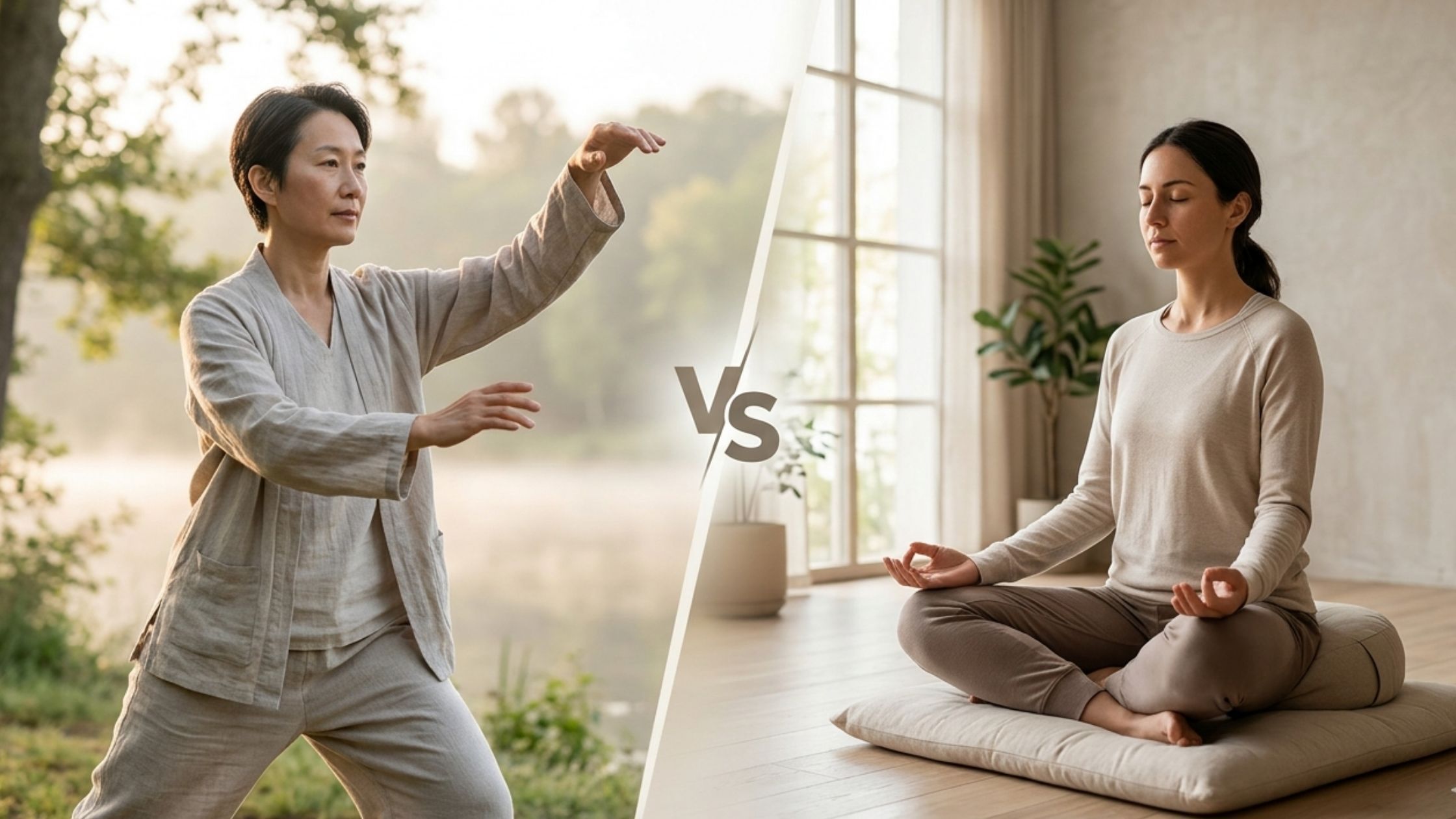
Both qigong and meditation calm the mind and reduce stress, but they work through fundamentally different approaches. Qigong uses gentle physical movement to cultivate qi (life energy), while meditation trains attention through stillness.
Choosing between them often comes down to whether you prefer moving your body or sitting quietly, though many people find value in practicing both. This guide breaks down the origins, core principles, and research-backed benefits of each practice to help you decide which fits your wellness goals.
What is qigong
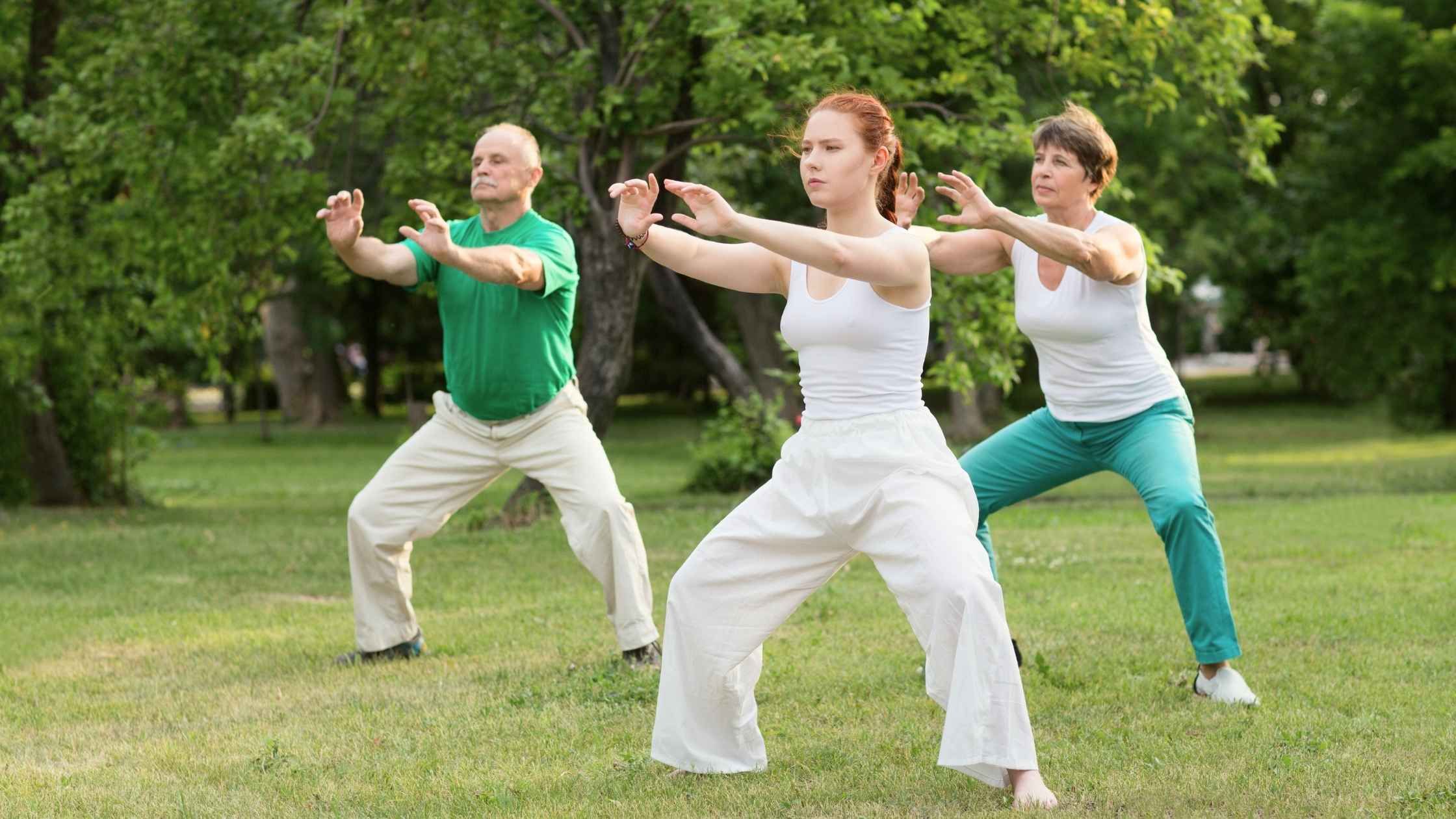
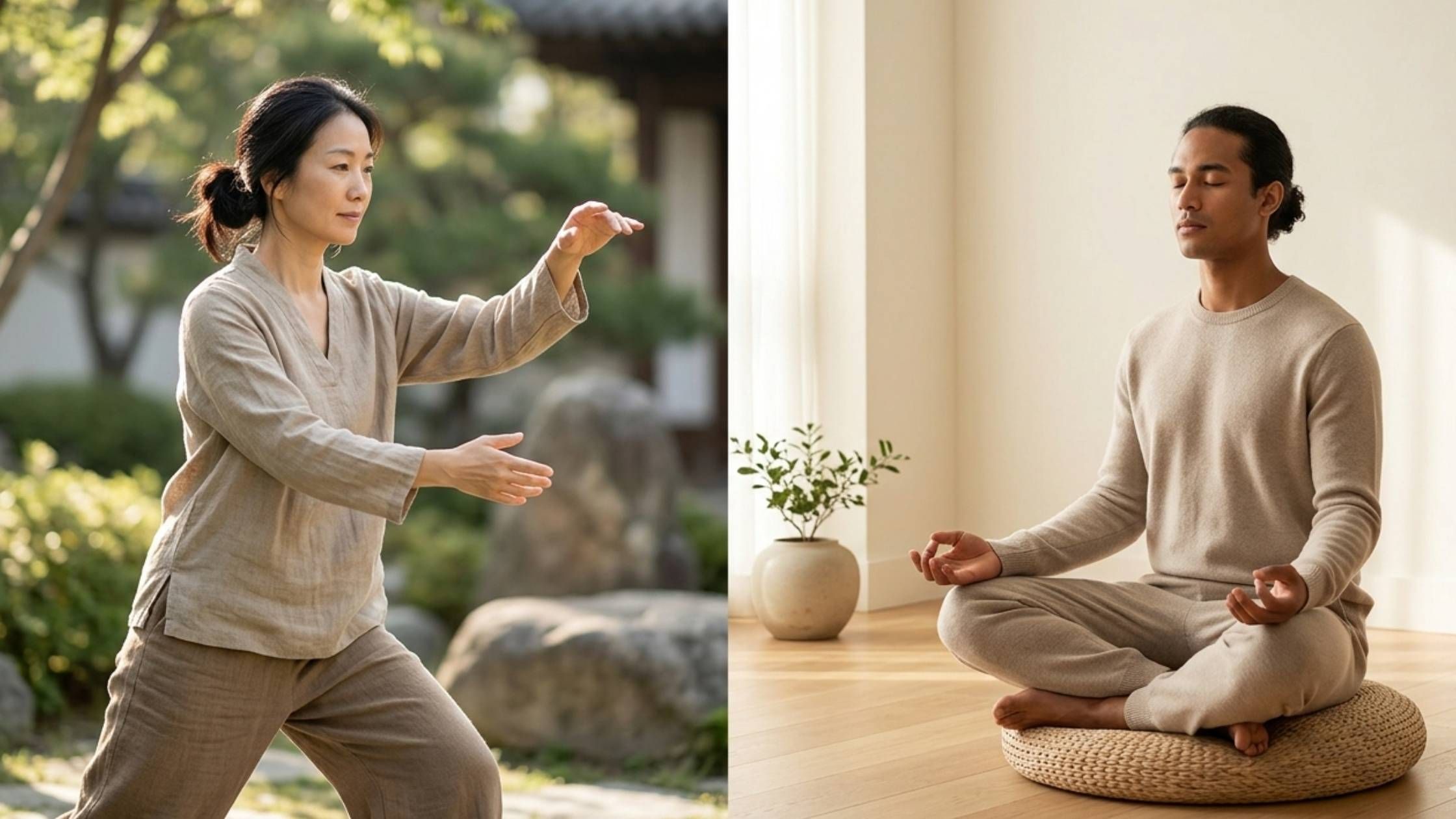
Qigong is a Chinese practice that combines gentle physical movement with deep breathing and focused attention to cultivate qi, which translates to "life energy." Meditation, by contrast, is primarily a stillness-based practice centered on training the mind. The key distinction comes down to movement: qigong uses the body to direct energy, while traditional meditation keeps the body still and works inward.
The word itself tells you what it's about. "Qi" means life energy, and "gong" means skill developed through practice. Put them together, and you get something like "the art of cultivating vitality."
Origins and history of qigong
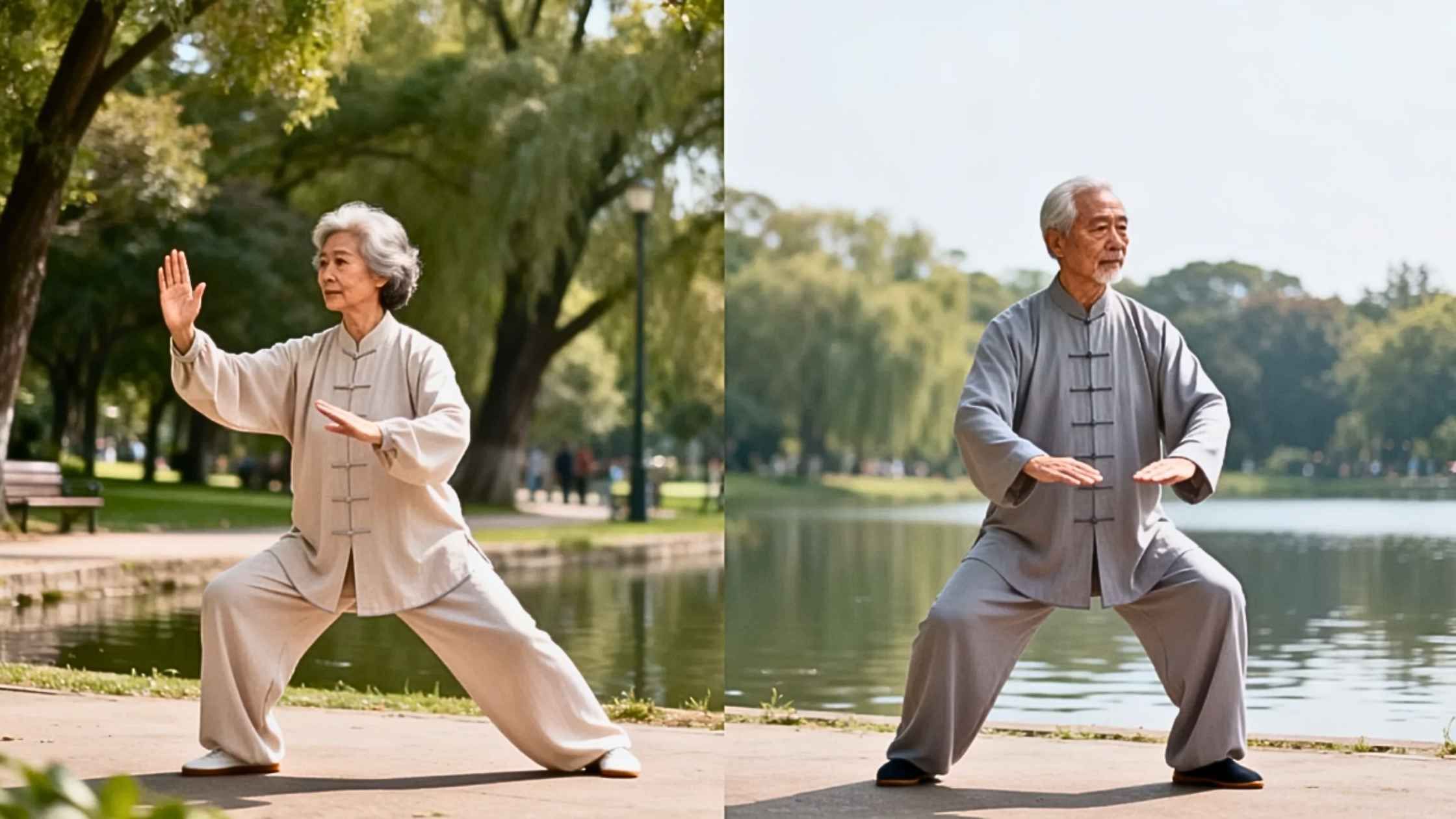
Qigong grew out of Traditional Chinese Medicine and Daoist philosophy over thousands of years. Ancient practitioners developed the movements as a form of preventive healthcare, working from the belief that cultivating qi could prevent illness and extend life.
Physicians, martial artists, and monks all practiced their own versions. Today, qigong has spread far beyond China, though it remains rooted in TCM principles about energy and balance.

Core principles of qi cultivation
Three elements form the foundation of every qigong practice:
-
Body (Shen): Gentle movements or held postures open the body's energy pathways, called meridians in TCM
-
Breath (Xi): Coordinated breathing patterns direct qi through your system
-
Mind (Yi): Focused intention guides energy where it's needed
When posture, breath, and attention work together, qi flows more freely. That alignment is what makes the practice effective, not the complexity of the movements themselves.
How qigong is practiced
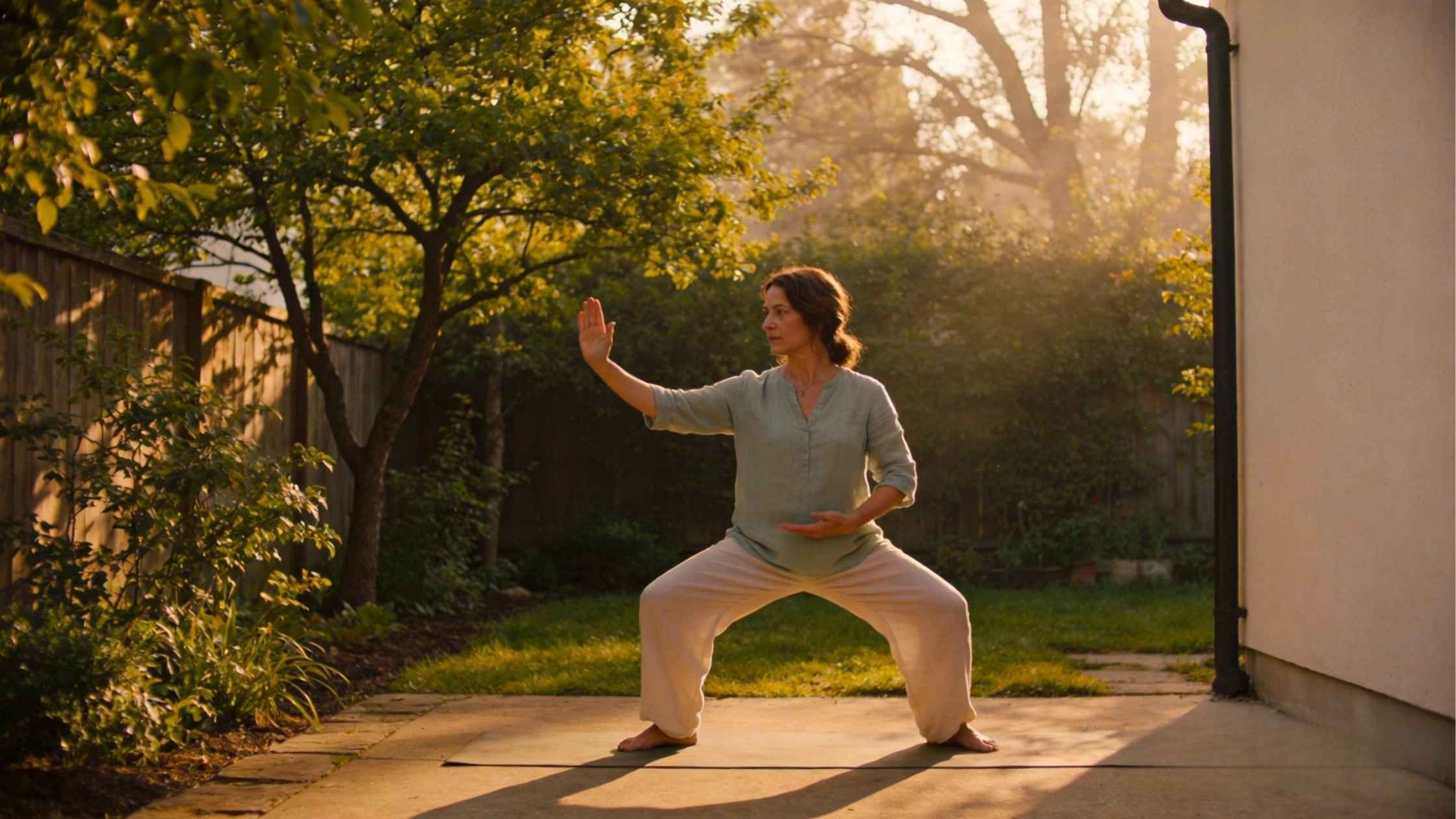
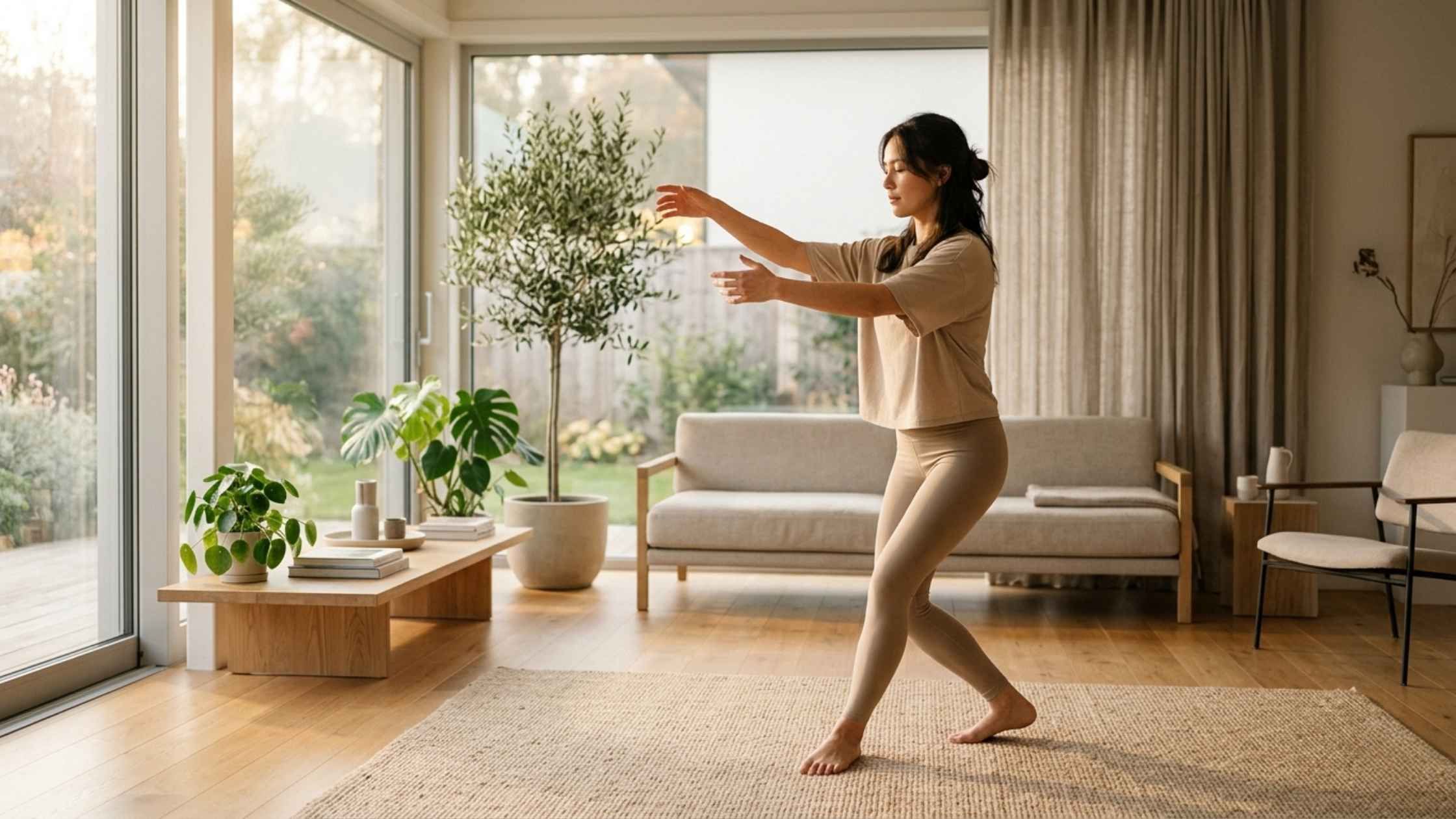
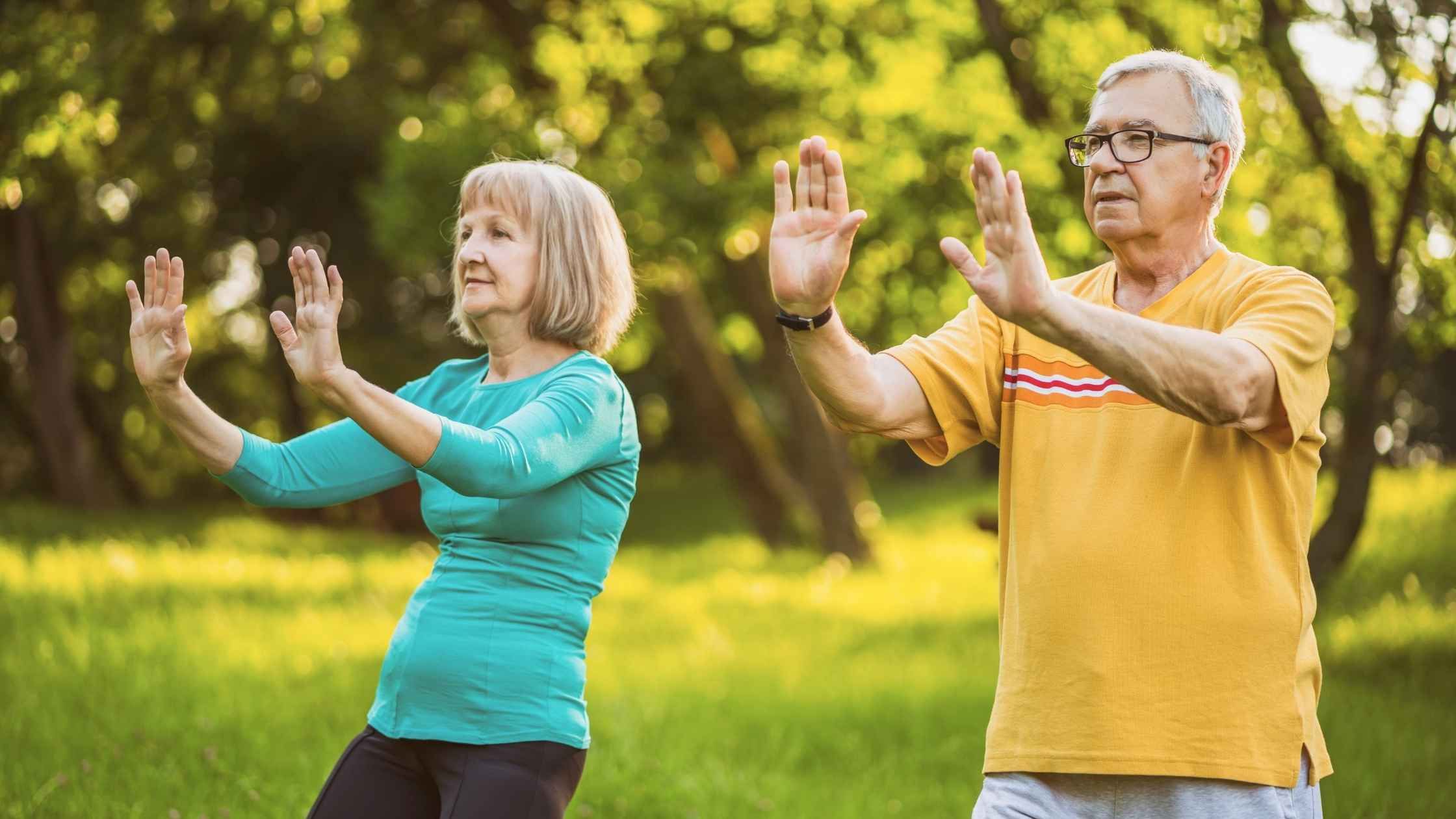
A typical session involves standing or moving through slow postures while matching your breath to each movement. Many practitioners also visualize energy flowing through specific pathways in the body.
Sessions can be brief. Even 10 to 15 minutes of focused practice can shift how you feel, which makes qigong practical for people with limited time.
What is meditation
Meditation trains attention and awareness, usually while sitting still. Different traditions approach it differently, from Buddhist mindfulness to Hindu mantra practices, but the common thread is learning to observe your thoughts without getting pulled along by them.
Where qigong emphasizes moving energy through the body, meditation works primarily with the mind. You're building the skill of staying present.
Origins and traditions of meditation
You might encounter breath-focused meditation, loving-kindness practice, body scans, or mantra repetition. Each offers a different entry point into the same core skill of present-moment awareness.
Core principles of mindful awareness
Three elements define most meditation practices:
-
Attention: Focusing on a single anchor, like the breath or a sensation in the body
-
Awareness: Noticing thoughts and feelings as they arise, without judging them
-
Return: Bringing attention back when the mind wanders
That third element matters most. Meditation isn't about achieving a blank mind. It's about noticing when you've drifted and coming back, over and over.
How meditation is practiced
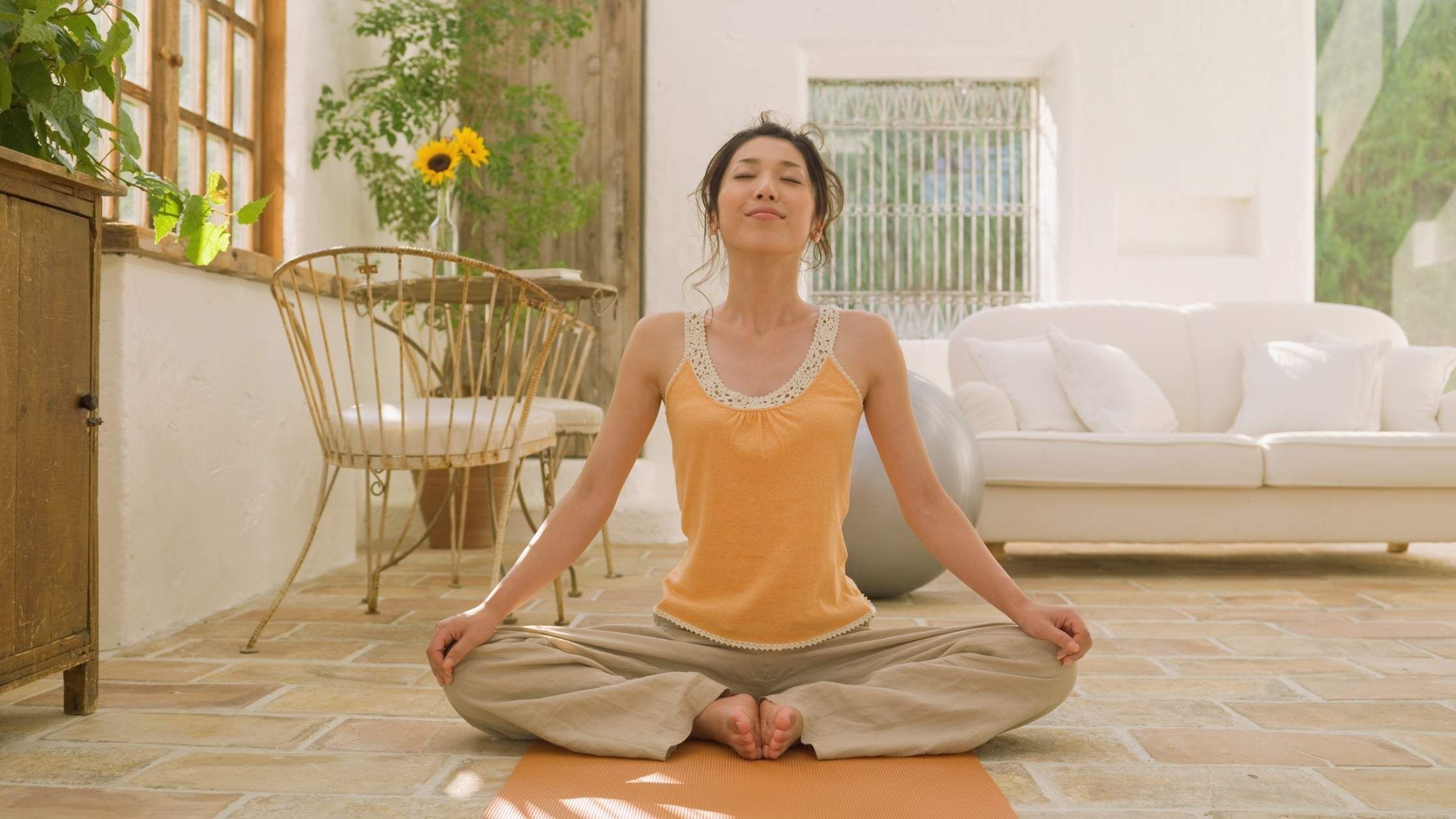
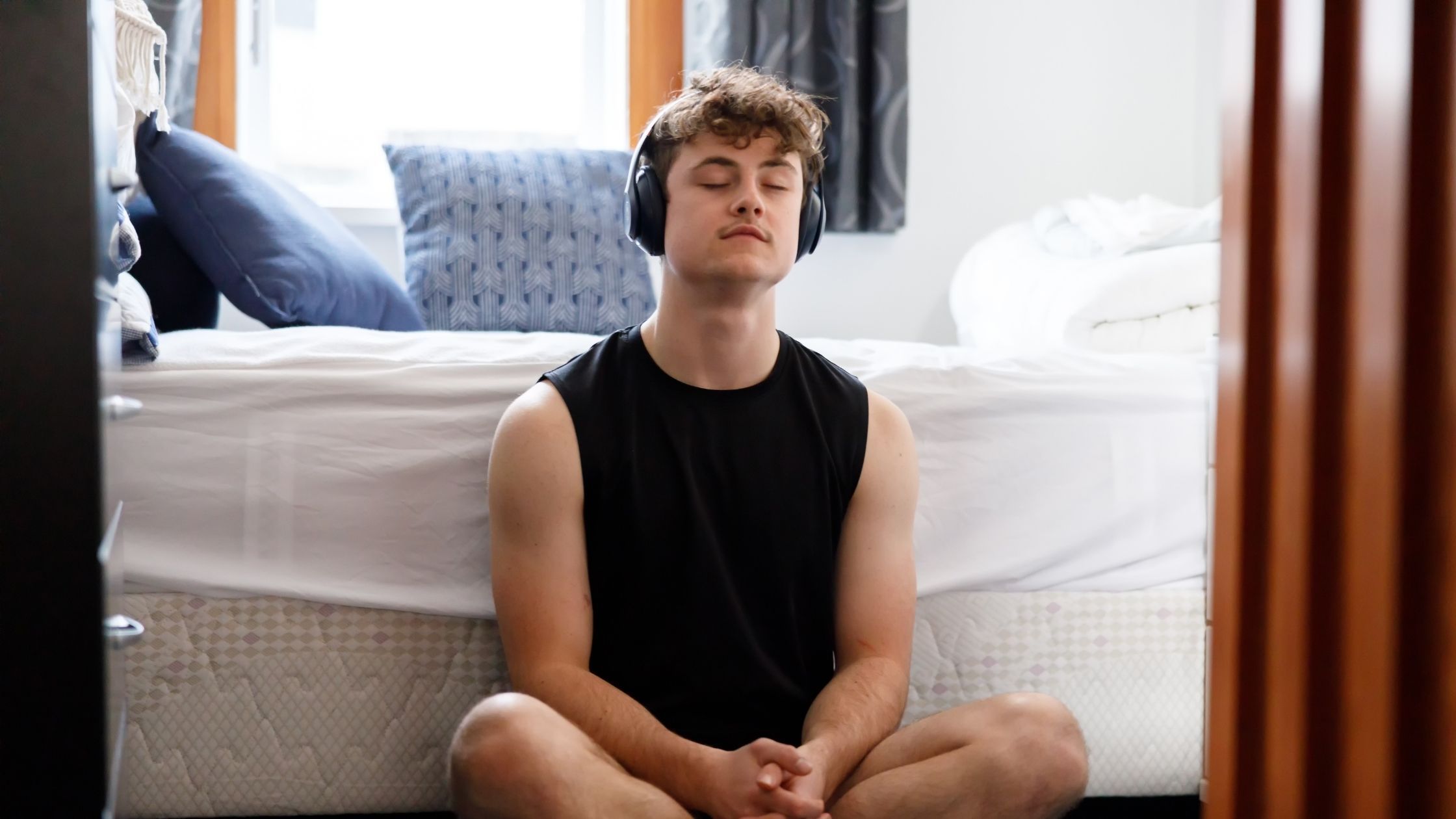
A typical session involves sitting comfortably with eyes closed or softly focused. You place attention on your breath or body sensations and maintain physical stillness while observing whatever arises mentally.
Most beginners start with 5 to 10 minutes. The practice builds gradually, though even short daily sessions produce noticeable effects over time.
Key differences between qigong and meditation
Understanding how qigong and meditation differ helps clarify which approach fits your goals, or whether combining both makes sense.
| Aspect | Qigong | Meditation |
|---|---|---|
| Primary focus | Cultivating and circulating qi | Training attention and awareness |
| Physical activity | Gentle movement or held postures | Primarily stillness |
| Breath role | Active tool to direct energy | Anchor for attention |
| Origin | Traditional Chinese Medicine | Buddhist and Hindu traditions |
| Body engagement | Full body through movement | Minimal; seated position |
Movement vs stillness
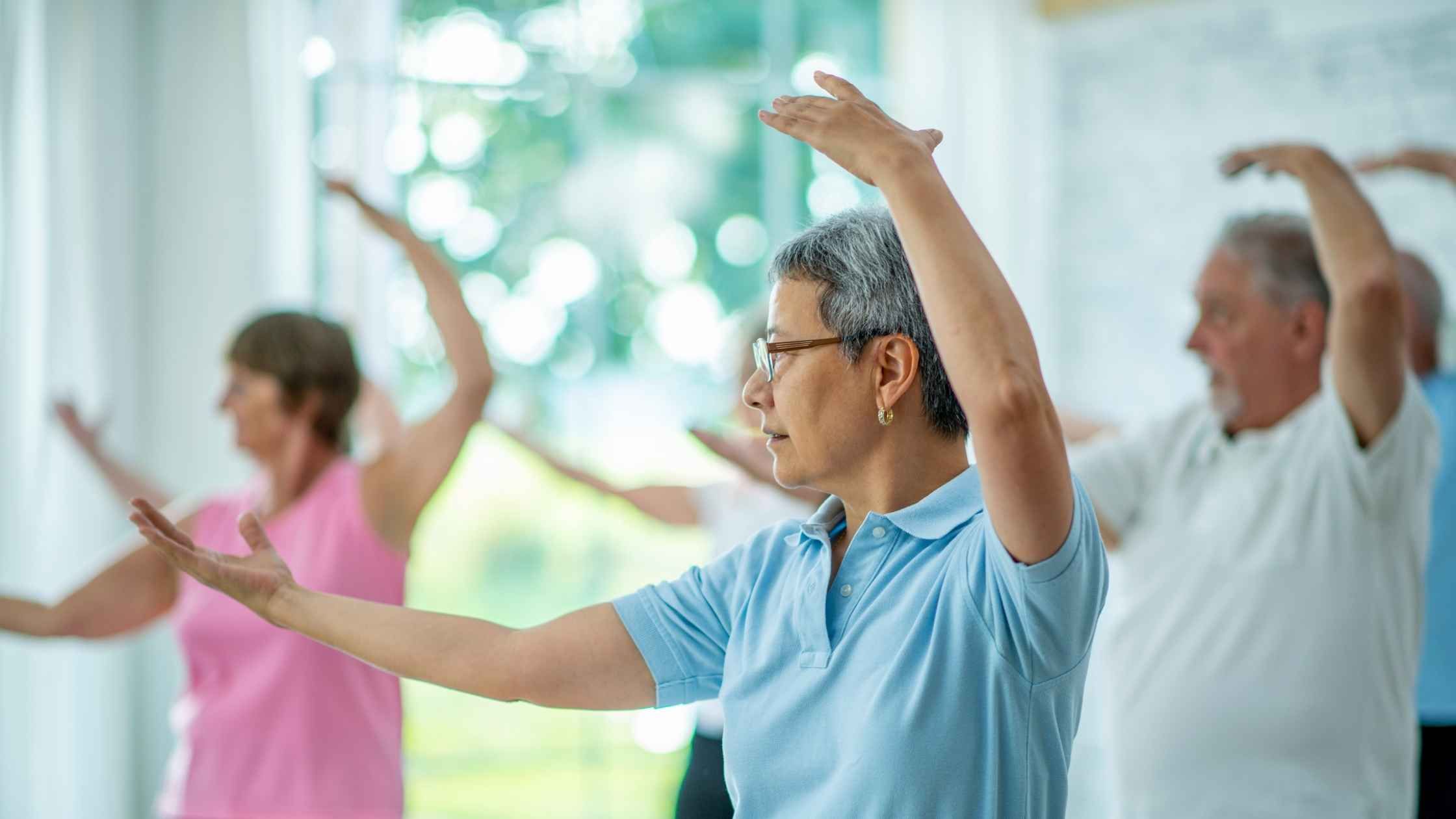
The most obvious difference is physical. Qigong involves your whole body through gentle, flowing movements or static postures. Meditation typically keeps the body still, directing all activity inward.
For some people, movement actually makes it easier to quiet the mind. Others find stillness more accessible. Neither approach is inherently better.
Energy cultivation vs mental focus
Qigong aims to build and balance qi throughout the body's meridian system. Meditation aims to develop concentration and present-moment awareness.
Still, the goals overlap. Moving energy often calms the mind, and calming the mind often frees up energy. The practices complement each other naturally.
Breathing techniques in each practice
Both practices value the breath, though they use it differently. In qigong, breath is an active tool with specific patterns designed to move qi. In meditation, breath serves as a stable anchor for attention.
Qigong breathing tends to be more structured and intentional. Meditation breathing is often simply observed without trying to change it.
Science-backed benefits of qigong
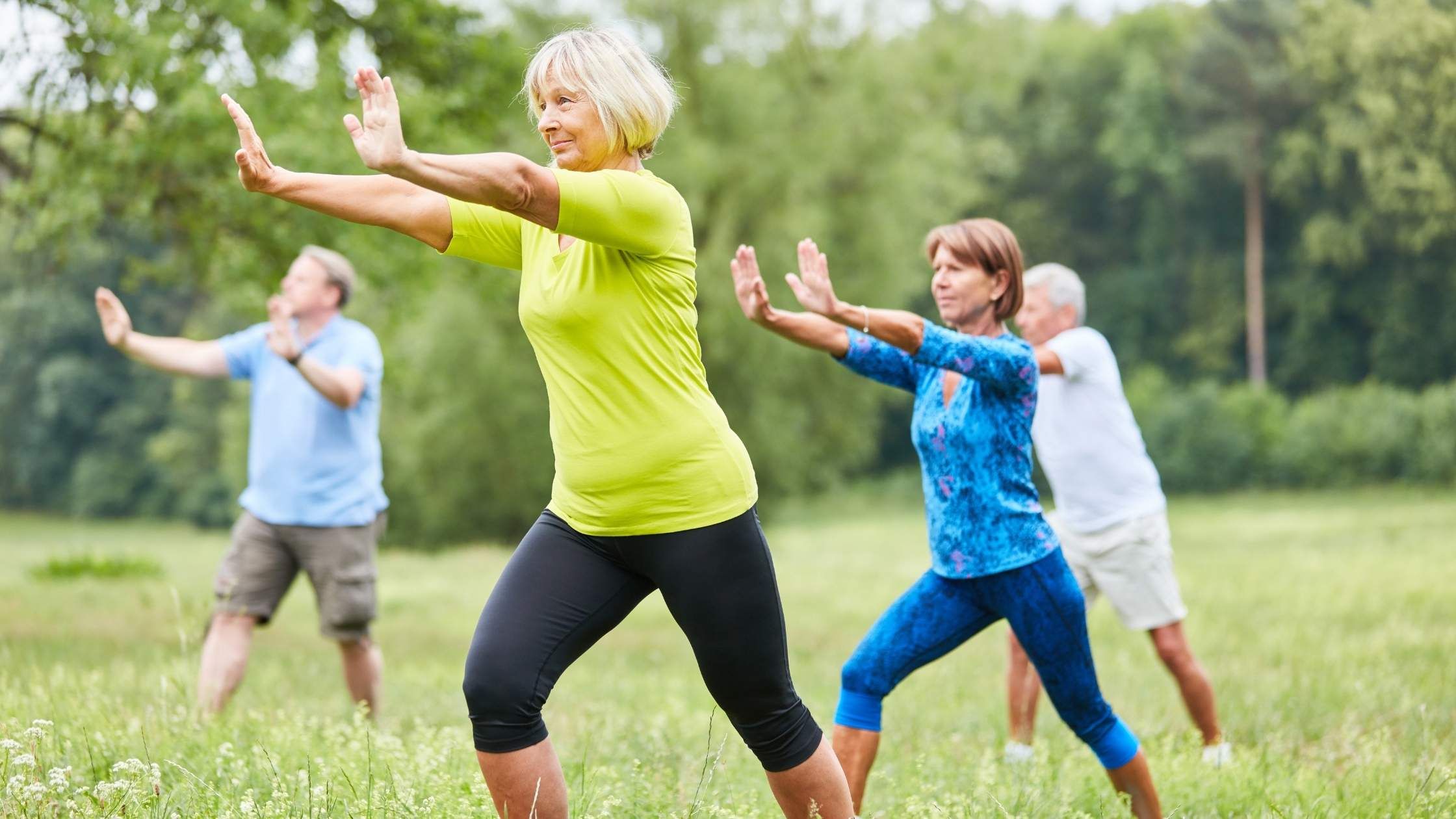
Research supports several benefits relevant to adults seeking low-impact wellness options:
-
Improved balance and fall prevention: Regular qigong practice reduces fall risk by 24% and supports stability and coordination in older adults (source)
-
Reduced chronic pain: Studies indicate qigong may help manage discomfort from conditions like arthritis and fibromyalgia (source)
-
Lower stress and anxiety: Clinical trials demonstrate calming effects on the nervous system (source)
-
Enhanced flexibility and joint health: Gentle movements support range of motion without high-impact strain (source)
Science-backed benefits of meditation
Research on meditation has expanded significantly, with studies examining effects across multiple areas:
-
Reduced stress and cortisol levels: Meditation activates the body's relaxation response (source)
-
Improved focus and concentration: Regular practice enhances attention span and cognitive function (source)
-
Better emotional regulation: Practitioners develop greater awareness of emotional patterns (source)
-
Lower blood pressure: Mindfulness meditation has been linked to cardiovascular health improvements (source)
Practicing meditation and qigong together
You don't have to pick just one. Many practitioners find that combining both offers a more complete approach to wellness, addressing mind and body through different pathways.
How qigong includes meditative elements
Qigong already contains meditative components through its requirements for mental focus and breath awareness. Because of this integration, some forms of qigong function as "moving meditation," training attention while also moving energy.
This built-in meditative quality makes qigong appealing if sitting still feels difficult. The movement gives your mind something concrete to anchor to.
Creating a combined daily routine
A practical approach might look like qigong in the morning for movement and energy, then meditation in the evening for calm and rest. Even 10 minutes of each fits into most schedules without much disruption.
Starting with whichever practice feels more natural tends to work well. Once that becomes a habit, adding the other feels less like a burden.
Which practice fits your wellness goals
The better practice depends on what you're hoping to achieve. Here's a practical breakdown.
Best for physical flexibility and balance
Qigong is the clear choice for mobility, joint health, or fall prevention. The gentle movements address physical concerns in ways that seated meditation cannot.
Best for stress and anxiety relief
Both practices work well here. Meditation may offer a faster path to calm if stillness feels comfortable. Qigong works well if releasing tension through gentle movement feels more natural.
Best for mental clarity and focus
Meditation is typically recommended when sharpening concentration is the primary goal. That said, qigong's requirement for focused attention also builds mental clarity through a different pathway.
Best for energy and vitality
Qigong's core purpose is cultivating qi, making it the natural choice for increasing physical energy. Many practitioners report feeling more vital after a few weeks of consistent practice.
Best for beginners over 40
Both practices are accessible. However, qigong's gentle, joint-friendly movements often feel more immediately engaging for people new to mind-body practices or looking for low-impact exercise.
Why practice qigong and meditation with ZenFit
ZenFit brings both practices together in one platform, making it simple to explore what works for you. The app offers step-by-step video guidance for qigong that assumes no prior experience, plus guided meditations designed for daily use in just a few minutes.
Personalized recommendations based on your wellness goals and progress tracking help build consistent habits. Whether you're drawn to movement, stillness, or both, everything is in one place.
Ready to start your journey
Now that you understand how qigong and meditation differ and how they complement each other, you can begin exploring which practice fits your goals. The best approach is simply to start, even with just a few minutes a day.
FAQs about meditation and qigong
Is qigong the same as meditation?
No, though they share common ground. Qigong combines gentle physical movement with breathwork and mental focus to cultivate life energy. Meditation is primarily a stillness-based practice for training attention. However, qigong does include meditative elements through its emphasis on focused intention, which is why some call it "moving meditation."
What are the three golden rules of qigong?
The three golden rules are relaxation (song), slowness (man), and naturalness (ziran). Relaxation means moving gently without forcing. Slowness means taking your time with each movement. Naturalness means allowing the body and mind to find their own rhythm rather than imposing rigid control.
What are the disadvantages of qigong?
Qigong is generally safe, though beginners sometimes find it challenging to coordinate movement, breath, and mental focus at the same time. Some people also prefer the simplicity of seated meditation over learning physical forms. Starting with guided instruction helps address both concerns.
How long does it take to see results from qigong or meditation?
Can qigong or meditation be learned without a teacher?
Yes, both practices can be learned through guided video instruction, especially at the beginner level. Apps like ZenFit provide step-by-step guidance that makes self-directed learning accessible, though some practitioners eventually seek in-person instruction for more advanced work.