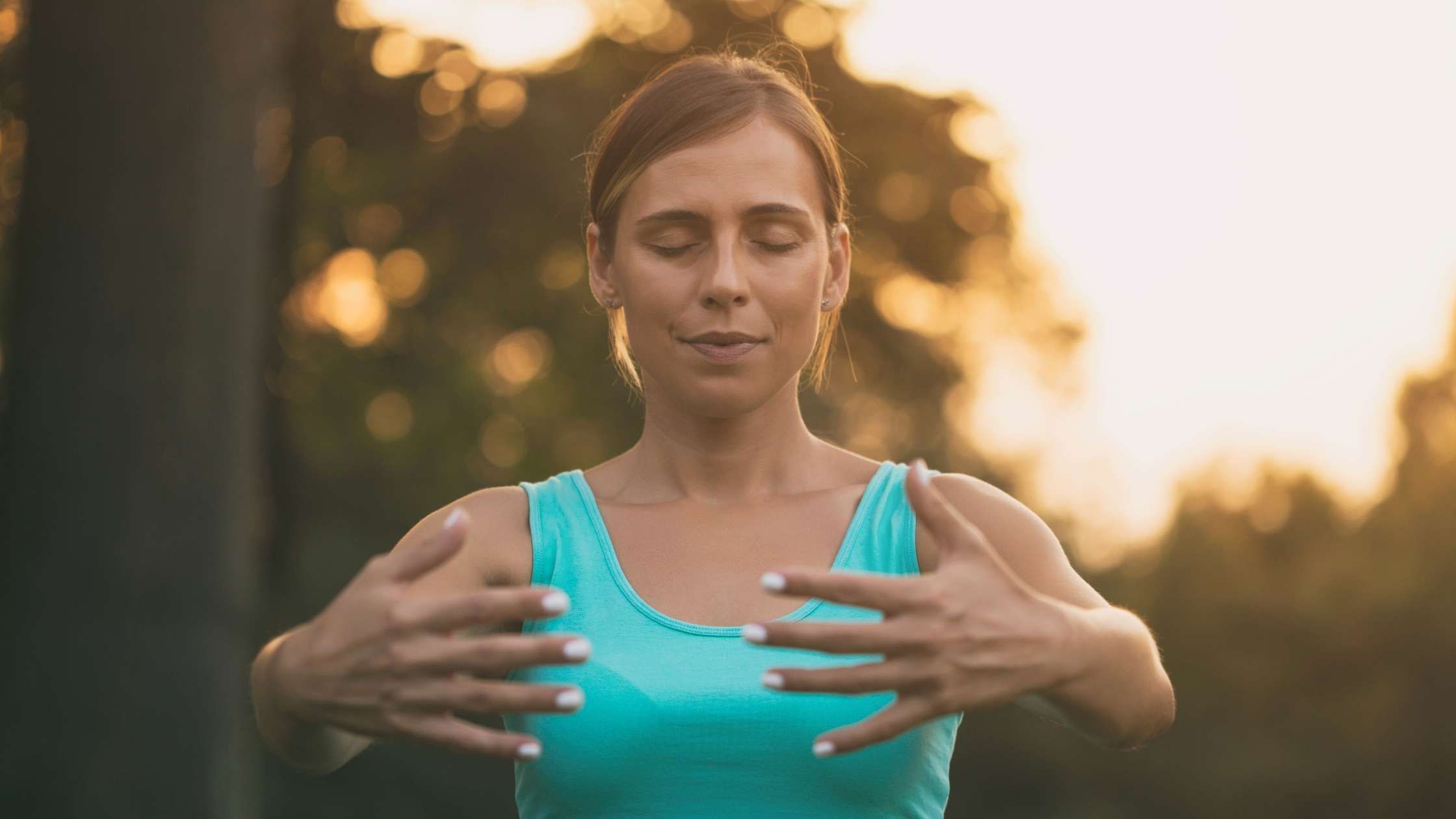
How Tai Chi Supports Healthy Weight Loss in Adults Over 50

Laura Mitchell
Wellness content creator with a background in holistic health and movement for healthy aging.

Tai Chi offers a different approach, one that works with these changes rather than against them. Research shows this gentle practice can reduce belly fat as effectively as conventional exercise while protecting your joints and calming your nervous system. Below, you'll find what the science says, which styles work best for beginners, and how to build a sustainable practice.
What Is Tai Chi

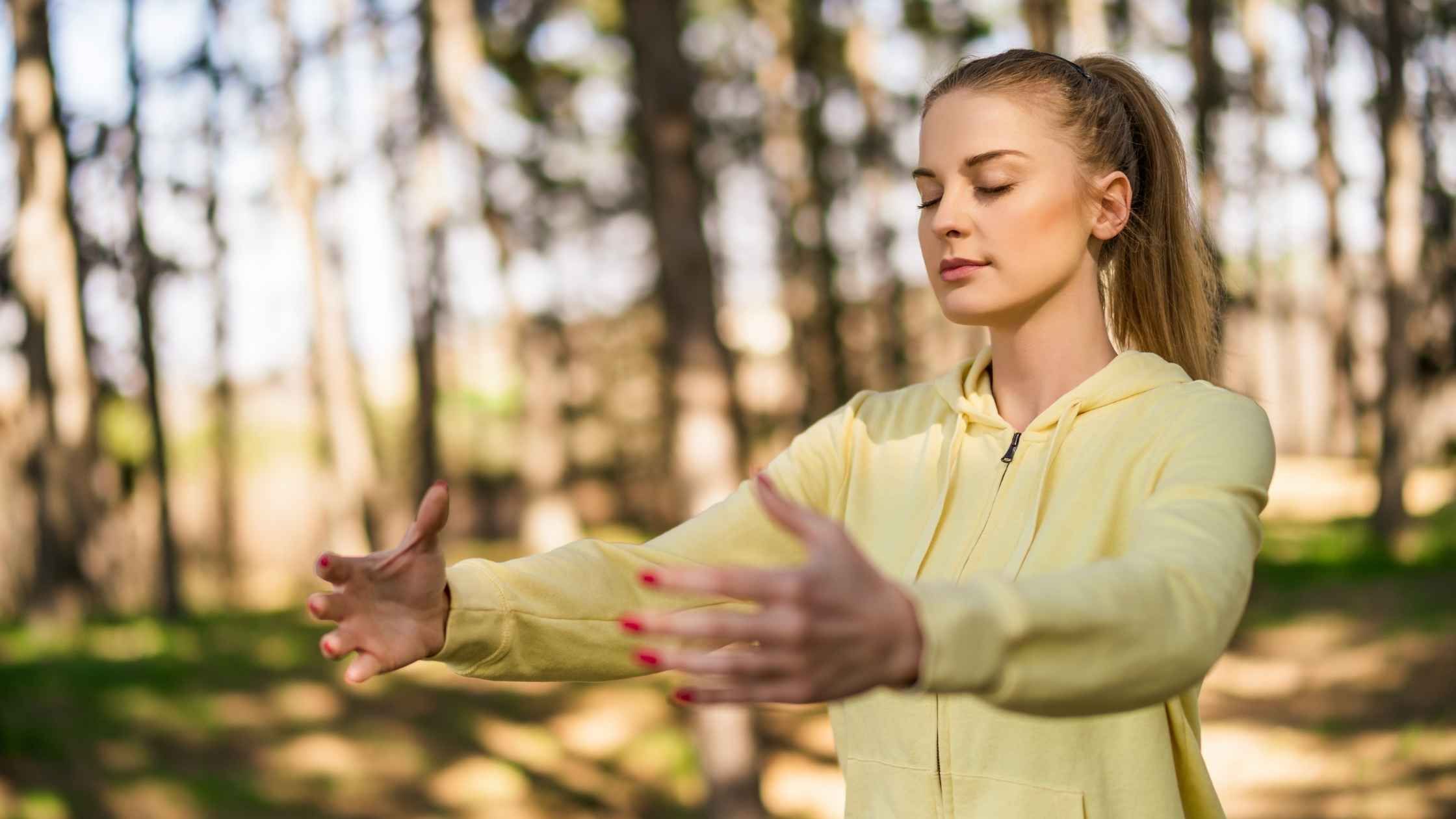
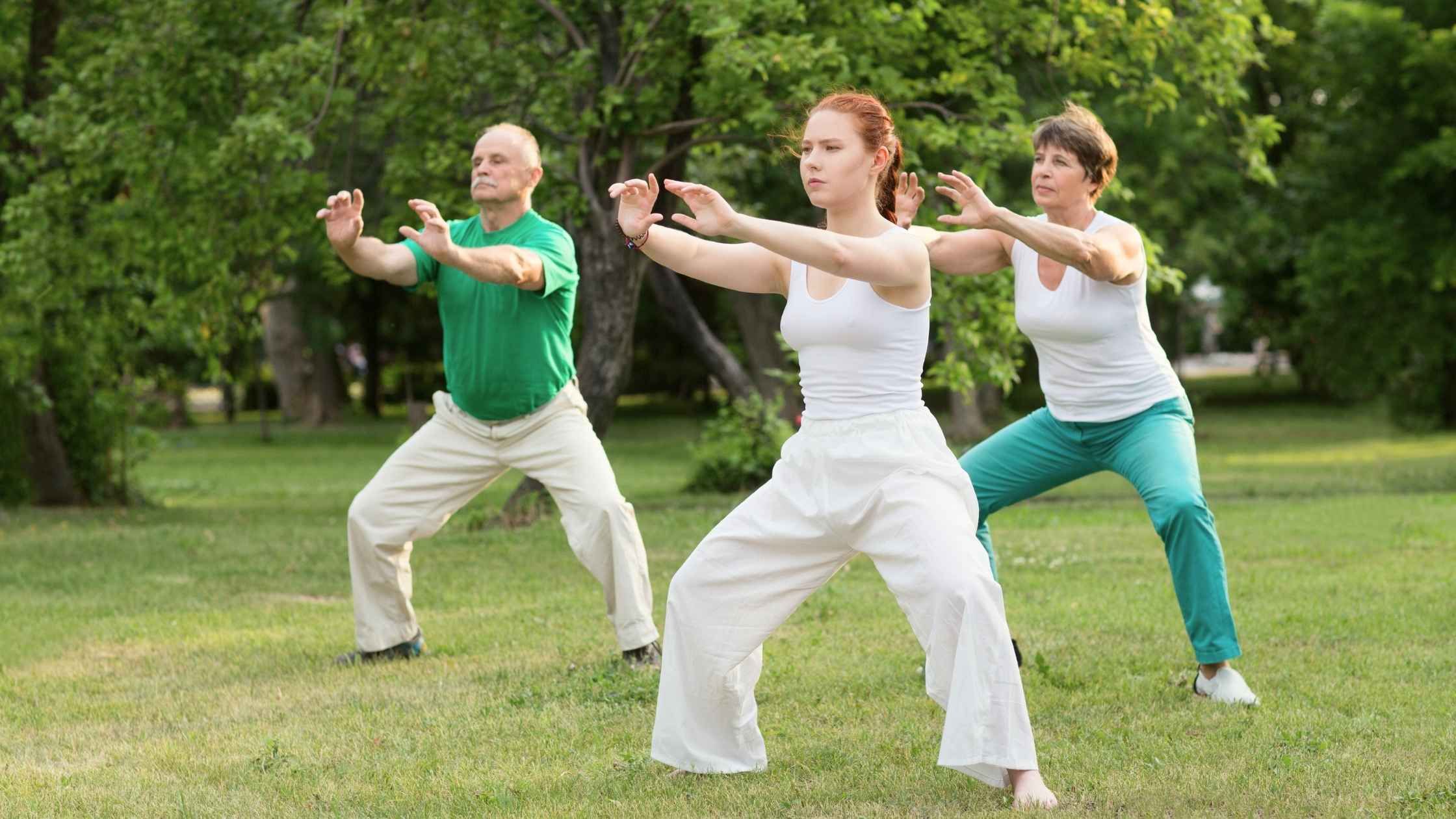
The movements look almost like a slow-motion dance. You shift your weight from one leg to the other while your arms trace smooth, circular patterns through the air. Each movement connects to the next without pause, creating a continuous flow that engages your whole body.
In Traditional Chinese Medicine, Tai Chi is understood as a way to cultivate qi, or vital energy. From a Western perspective, it functions as a form of moving meditation that simultaneously builds strength, improves balance, and calms the nervous system.
Does Tai Chi Help You Lose Weight After 50
Yes, Tai Chi can support weight loss after 50, and research suggests it works particularly well for reducing central obesity, which is the belly fat that tends to accumulate in midlife. Studies show that practicing Tai Chi about three times per week produces results comparable to conventional exercise for older adults.
That said, Tai Chi approaches weight loss differently than a spin class or running program. Instead of relying mainly on burning calories during the workout itself, Tai Chi influences weight through several interconnected pathways.
How Tai Chi burns calories through gentle movement

Your legs support constant weight shifts. Your core stabilizes every transition. Your arms move with deliberate control rather than momentum. All of this adds up.
A 30-minute session typically burns around 150 to 200 calories, roughly equivalent to a moderate-paced walk. The difference is that Tai Chi achieves this without stressing your joints, which matters a great deal if knee pain or back issues have made other exercise difficult.
How Tai Chi reduces cortisol and stress-related weight gain
Here's something that often gets overlooked in weight loss conversations: chronic stress makes losing weight harder, especially around the midsection.
When you're stressed, your body produces more cortisol. Elevated cortisol levels signal your body to store fat, particularly in the abdominal area. After 50, when hormonal shifts already complicate weight management, this stress-fat connection becomes even more pronounced.
Tai Chi activates your parasympathetic nervous system, sometimes called the "rest and digest" response. Regular practice helps regulate your stress hormones, which can reduce your body's tendency to hold onto belly fat.
How Tai Chi builds muscle and supports metabolism

Tai Chi creates what's called isometric resistance. When you hold a position while slowly shifting your weight, your muscles work against gravity without moving through a full range of motion. Over time, this builds lean muscle mass, especially in your legs and core.
Why does muscle matter for weight loss? Muscle tissue burns more calories at rest than fat tissue does. So as you gradually build muscle through Tai Chi, your resting metabolism increases, meaning you burn more calories even when you're not exercising.
Science-Backed Benefits of Tai Chi for Weight Loss
Research increasingly supports Tai Chi as an effective tool for weight management in older adults:
-
Reduced waist circumference: A randomized controlled trial involving over 500 adults with central obesity found that Tai Chi significantly decreased waist size 1
-
Results comparable to conventional exercise: Harvard Health reports that Tai Chi offers similar weight management benefits to moderate aerobic activity 2
-
Lower body fat levels: A 2023 meta-analysis indicates that practicing Tai Chi for one hour three times weekly helps reduce overall body fat 3
-
Sustained long-term results: Studies on older adults show maintained weight loss with consistent practice over time 4
Why Tai Chi Is Ideal Exercise for Adults Over 50

Low-impact movement that protects your joints
There's no jumping in Tai Chi. No pounding. No sudden movements that jar your spine or stress your knees. Every transition flows smoothly from one position to the next.
Improved balance and reduced fall risk
Each time you shift your weight in Tai Chi, you're training your balance. The practice strengthens the small stabilizer muscles that keep you steady and improves proprioception, which is your body's sense of where it is in space.
Better sleep and recovery
Poor sleep undermines weight loss in multiple ways. It disrupts the hormones that regulate hunger, leaving you feeling hungrier than you actually are. It also drains the energy you'd otherwise have for physical activity.
Tai Chi's calming effect on the nervous system supports deeper, more restorative sleep. Many practitioners report falling asleep more easily and waking up feeling more refreshed.
Reduced anxiety and emotional eating
The mindfulness aspect of Tai Chi extends beyond the practice itself. Over time, many people find they become more aware of their eating patterns, noticing when they're reaching for food out of genuine hunger versus stress, boredom, or habit.
This awareness doesn't require willpower or strict rules. It develops naturally as the practice cultivates a stronger connection between mind and body.
How Often to Practice Tai Chi for Weight Loss
Consistency matters more than duration. Practicing for ten minutes every day tends to produce better results than a single hour-long session once a week.
| Practice Frequency | What You Can Expect |
|---|---|
| 5-10 minutes daily | Habit formation, stress reduction, improved energy |
| 20-30 minutes, 3x weekly | Noticeable improvements in balance, flexibility, and body composition |
| Regular long-term practice | Sustained weight management and metabolic benefits |
Starting small makes the habit easier to maintain. You can always extend your sessions once the routine feels natural.
Best Tai Chi Styles for Beginners Over 50
Several distinct styles of Tai Chi exist, each with its own characteristics. Some are more accessible for beginners than others.
Yang style
Yang style is the most widely practiced form of Tai Chi in the world. The movements are slow, graceful, and expansive, with an emphasis on relaxation rather than martial application. Most beginner classes and instructional programs teach Yang style.
Sun style
Sun style uses higher stances and less deep bending than other forms. This makes it a good fit for anyone with arthritis, limited mobility, or balance concerns. The movements remain effective while being gentler on the body.
Wu style
Wu style features smaller, more compact movements. If you're practicing in a small living room or don't have much space to work with, Wu style adapts well to tight quarters.
Is Tai Chi Difficult to Learn
The flowing sequences of Tai Chi can look complicated from the outside, but the basic movements are straightforward to pick up. Most people can learn the fundamentals within a few weeks.
The practice is designed to be learned gradually. You start with simple movements and add complexity over time as your body adapts. There's no prerequisite level of fitness, flexibility, or coordination required to begin.
Modifications exist for virtually every movement, so physical limitations don't have to be barriers. If you can stand and shift your weight, you can practice Tai Chi. If standing is difficult, seated versions are also available.
Tai Chi Compared to Yoga and Walking
When considering low-impact options for weight management after 50, it helps to understand how Tai Chi stacks up against other popular choices.
| Activity | Calorie Burn | Joint Impact | Mind-Body Focus | Balance Training |
|---|---|---|---|---|
| Tai Chi | Moderate | Very low | Strong | Excellent |
| Yoga | Moderate | Low to moderate | Strong | Good |
| Walking | Higher | Low to moderate | Minimal | Limited |
These activities complement each other well. Many people combine Tai Chi with walking, getting cardiovascular benefits from one and balance, flexibility, and stress reduction from the other.
Why Tai Chi Works for Sustainable Weight Loss with ZenFit
Sessions range from 5 to 15 minutes, fitting into even busy schedules. Step-by-step video instruction allows you to learn proper form at home, without needing to find a local class. The app tracks your progress and adapts recommendations based on your individual goals.
Ready to Start Your Journey
Tai Chi offers a path to weight management that works with your body rather than against it. The gentle movements, stress reduction, and gradual muscle building combine to support healthy weight loss without the strain that often comes with traditional exercise programs.
FAQs About Tai Chi and Weight Loss After 50
How many calories does a typical Tai Chi session burn?
Most people burn between 150 and 200 calories during a 30-minute session, though this varies based on the intensity of the practice and individual factors. The metabolic benefits extend beyond direct calorie burn through stress reduction and gradual muscle development.
Can practicing Tai Chi help reduce belly fat specifically?
No exercise can target fat loss in one specific area. However, Tai Chi's stress-lowering effects may help reduce cortisol-related abdominal fat storage. Many practitioners notice changes in their midsection over time as part of overall body composition improvements.
Is morning or evening Tai Chi practice more effective for weight loss?
Both offer benefits. Morning practice can boost energy and metabolism for the day ahead, while evening practice supports better sleep and recovery. The most effective time is whichever allows you to practice consistently.
How long until I see weight loss results from Tai Chi?
Improvements in energy, sleep quality, and stress levels often appear within two to three weeks. Visible changes in body composition typically follow after two to three months of consistent practice combined with balanced eating.
Is it safe to practice Tai Chi every day?
Yes. Tai Chi's gentle, low-impact nature allows for daily practice without the recovery time that more intense exercise requires. Even short daily sessions support sustainable weight management more effectively than occasional longer workouts.