How TCM Exercise Principles Enhance Longevity
Published on April 17, 2026 | Updated on June 1, 2026

Laura Mitchell
Laura is a wellness content creator specializing in holistic health and movement for healthy aging. As an expert in Tai Chi and Qigong, she passionately integrates Chinese wellness practices into her daily lifestyle.
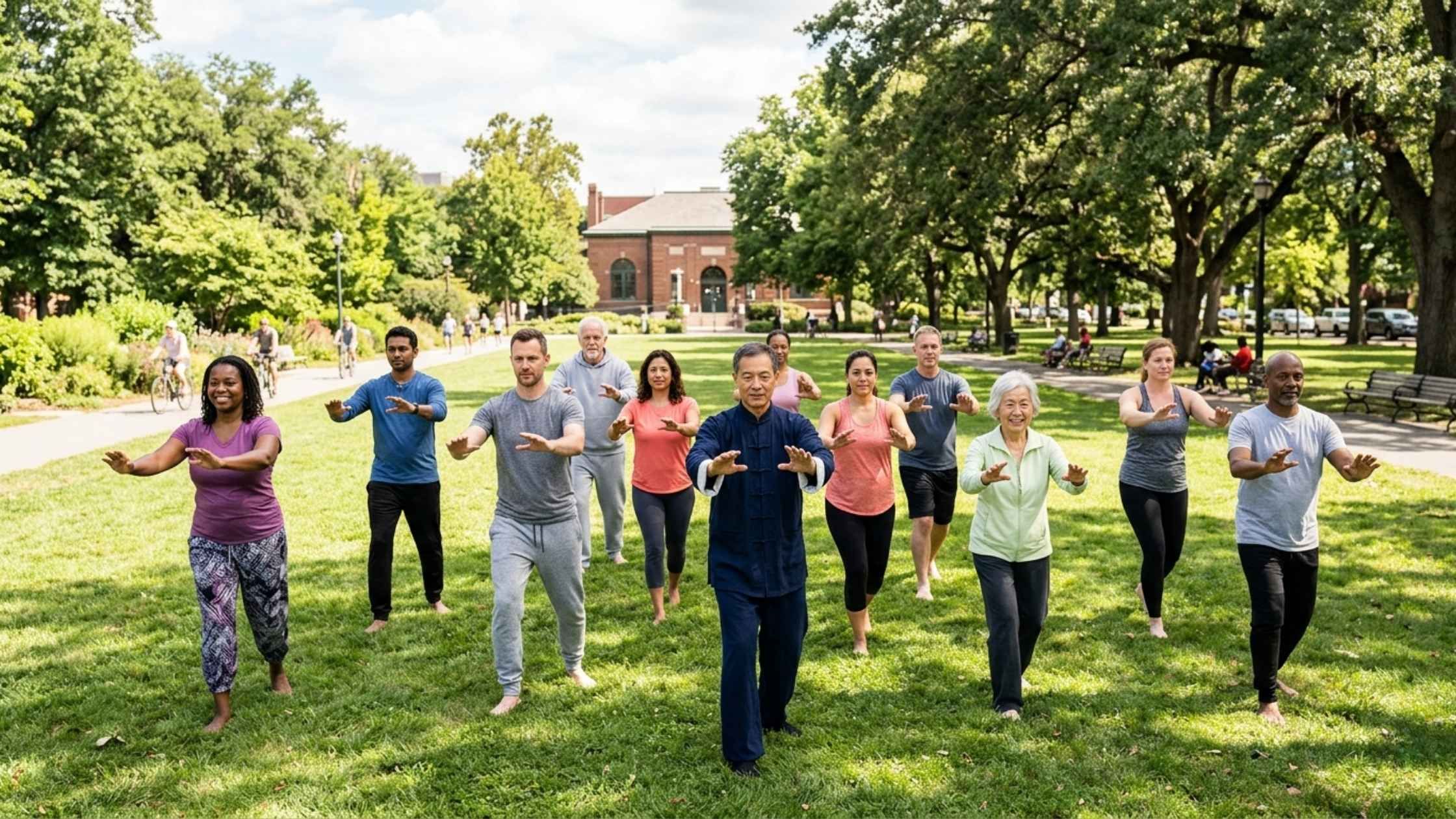
Most fitness advice treats exercise as a numbers game—calories burned, reps completed, minutes logged. Traditional Chinese Medicine takes a different view, one that modern research is increasingly validating: movement is medicine for your vital energy, and how you move matters as much as how often.
This guide explores the TCM principles behind practices like Tai Chi and Qigong, examines the scientific evidence for their longevity benefits, and offers practical guidance for building a sustainable daily practice.
What Is TCM Exercise
Exercise supports longevity by boosting cellular health, activating metabolism through AMPK pathways, and improving oxygenation—what Traditional Chinese Medicine calls the circulation of qi. At the same time, regular movement reduces inflammation and slows mitochondrial decay, two hallmarks of aging that both Eastern and Western frameworks recognize as central to physical decline.
This approach makes Tai Chi and Qigong accessible to people across fitness levels while still delivering measurable health improvements. You don't need to be athletic to start, and the gentle pace means you can practice well into your later years.
A Brief History of Chinese Wellness Practices
Tai Chi and Qigong trace their origins back thousands of years to Taoist and Buddhist traditions in China. Practitioners developed specific movement sequences not for combat or athletic competition, but specifically for health preservation and extending life.
Over centuries, masters refined postures and breathing patterns designed to stimulate energy flow and support organ function. What began as closely guarded knowledge passed between teachers and students has now spread worldwide. Today, millions of people practice Tai Chi and Qigong daily, from parks in Beijing to community centers in small towns across North America.
Core TCM Principles That Support Longevity
The Role of Qi in Vitality and Healthy Aging
Qi is the vital life energy that TCM views as flowing through every living being. When qi moves freely, the body maintains health and vitality. When qi becomes stagnant or blocked, physical decline and disease can follow.
Gentle, intentional movement cultivates and circulates qi throughout the body. This is why TCM has long emphasized regular practice as essential for healthy aging. The slow, deliberate nature of tai chi and qigong gives qi time to flow rather than forcing it through rushed or jarring movements.
How Meridians Connect Movement to Organ Health
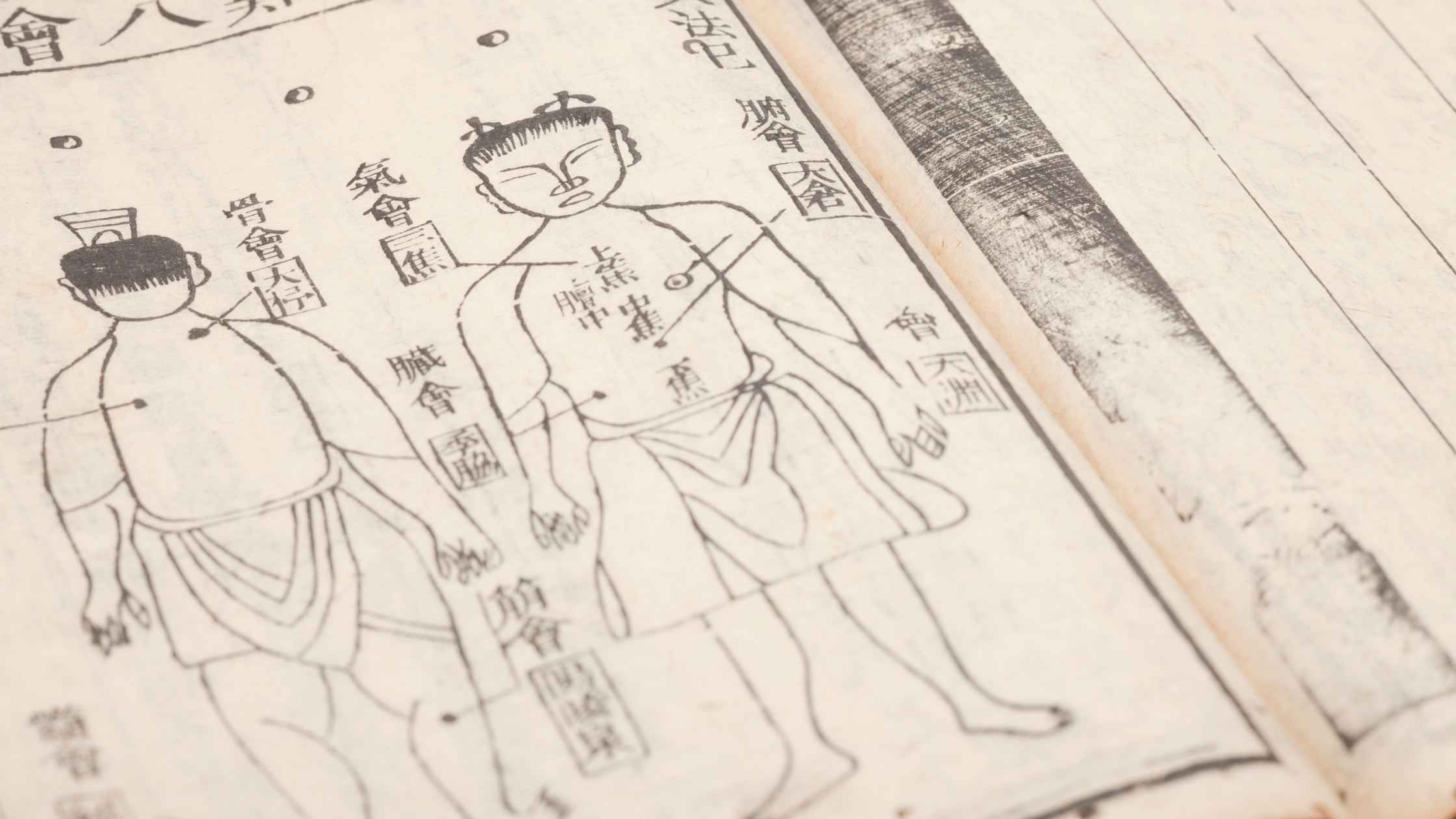
Meridians are the energy pathways through which qi travels, connecting the body's surface to its internal organs. TCM identifies twelve primary meridians, each associated with specific organ systems like the heart, lungs, kidneys, and liver.
Specific movements in tai chi and qigong are designed to stimulate particular meridians. For example, raising the arms overhead while breathing deeply can activate the lung meridian, while twisting the torso may stimulate the liver and gallbladder channels. By opening and activating different meridians, practitioners support the function of corresponding organs.
Yin-Yang Balance Through Gentle Movement
Yin and yang represent complementary opposites: rest and activity, soft and strong, stillness and motion. TCM teaches that health depends on maintaining equilibrium between opposing forces.
TCM exercise embodies this balance directly. Each practice session combines effort with relaxation, movement with stillness, and exertion with recovery. You might hold a challenging posture for several breaths, then transition into a softer, more flowing sequence. This balanced approach fosters the harmony that TCM associates with sustained health and longevity.
Science-Backed Benefits of TCM Exercise
Improved Cardiovascular Health and Blood Pressure
- Reduced blood pressure: Studies show regular tai chi practice supports healthy blood pressure levels in older adults 1.
- Enhanced circulation: Gentle movements promote blood flow throughout the body without cardiovascular strain 2.
Increased Muscle Strength and Lean Body Composition
You might assume slow movement can't build strength. However, tai chi's sustained, controlled postures engage muscles continuously throughout each session. Holding a low stance while shifting weight from one leg to another requires significant muscular effort, even though the movement appears effortless.
- Lean muscle development: The slow, weight-bearing movements require muscles to work against gravity for extended periods 3.
- Healthier body composition: Research links regular practice to reduced abdominal fat and improved overall body composition 4.
Better Balance and Fall Prevention for Older Adults
- Improved proprioception: Tai chi trains awareness of weight distribution and body positioning 5.
- Reduced fall risk: Systematic reviews confirm tai chi significantly reduces falls among seniors 6.
Enhanced Sleep Quality and Stress Reduction
The mind-body connection central to TCM exercise translates into measurable improvements in sleep and stress markers. When you coordinate breath with movement and maintain focused attention, you activate the parasympathetic nervous system, which is the body's rest-and-digest mode.
- Deeper sleep: Studies associate regular tai chi practice with improved sleep quality and duration 7.
- Lower stress hormones: Mindful movement reduces cortisol levels over time 8.
Support for Cognitive Function and Mental Clarity
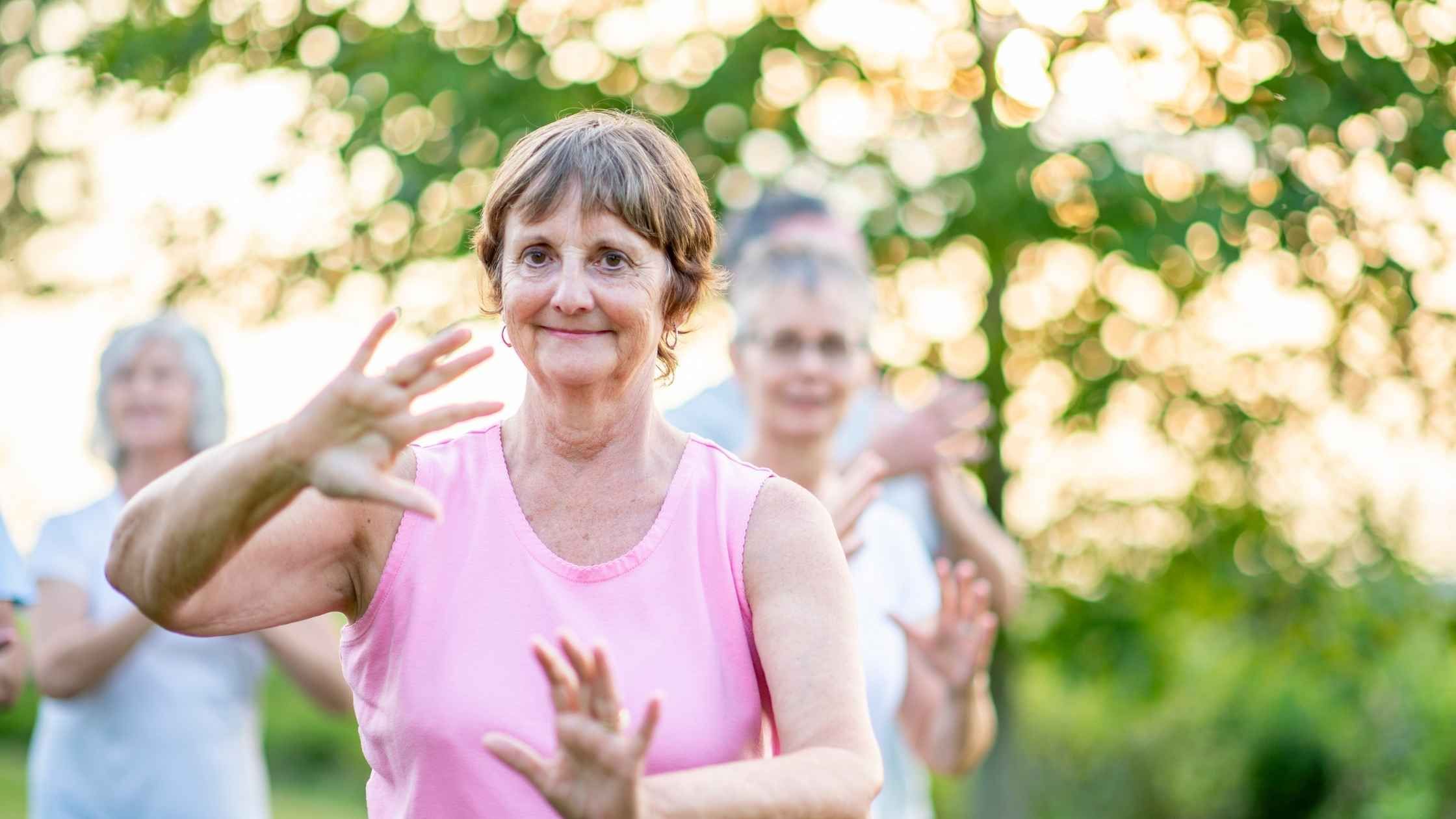
Research on older practitioners highlights benefits that extend beyond the physical. The combination of movement, breath, and focused attention appears to support brain health in ways that purely physical exercise does not.
- Cognitive preservation: Research suggests tai chi may support memory and executive function in older adults 9.
- Increased focus: The meditative component trains sustained attention and mental clarity 10.
Tai Chi Benefits for Women Over 40
Bone Density and Joint Health
The low-impact nature also makes tai chi a joint-friendly option for women experiencing stiffness or early arthritis. Many practitioners report improved mobility and reduced discomfort after several weeks of consistent practice.
Hormonal Balance and Menopause Support
While tai chi doesn't directly regulate hormones, its stress-reducing effects have indirect positive impacts on hormonal health. Chronic stress elevates cortisol, which can disrupt the delicate balance of other hormones during perimenopause and menopause.
Many women find that regular practice eases menopause-related symptoms such as sleep disruption, hot flashes, and mood changes. The calming effect of coordinated breath and movement creates a buffer against the hormonal fluctuations of midlife.
Stress Relief and Emotional Resilience
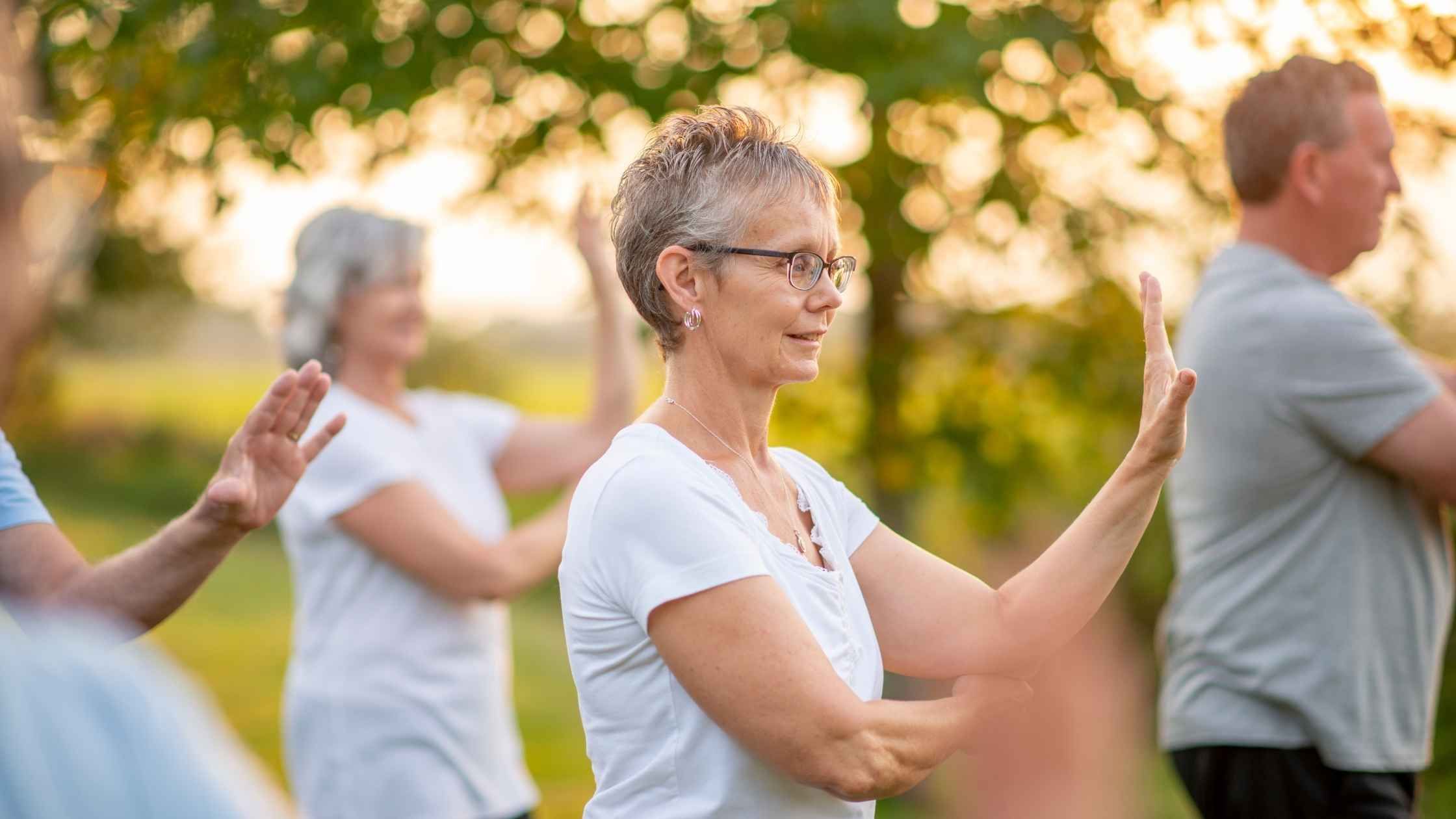
Beyond general stress reduction, mindful movement helps build emotional regulation and resilience. The focused attention required during practice creates space between stimulus and response, which supports better emotional balance over time.
Women often juggle multiple responsibilities across work, family, and caregiving. A daily tai chi or qigong practice offers a reliable anchor point, a few minutes of calm that can reset the nervous system before the next demand arrives.
How Tai Chi and Qigong Are Practiced
Tai Chi Fundamentals for Beginners
Starting Tai Chi requires no special equipment or prior experience. The fundamentals focus on three elements: stance, weight shifting, and continuous flow.
- Rooted stance: Stand with feet shoulder-width apart and knees slightly bent, feeling grounded through your feet.
- Weight shifting: Gradually transfer weight between legs to build stability and body awareness.
- Continuous flow: Connect movements smoothly without stopping, like clouds drifting across the sky.
Most beginners start with a short form, which is a sequence of connected movements that takes just a few minutes to complete. As you become more comfortable, you can learn longer forms or explore different styles.
Qigong Breathing and Energy Cultivation
Qigong often features simpler, more stationary movements than tai chi, with explicit focus on breath coordination. Where Tai Chi emphasizes flowing sequences, qigong may involve holding a single posture while breathing deeply for several minutes.
- Belly breathing: Inhale to expand the abdomen, exhale to release. This engages the diaphragm fully and activates the parasympathetic nervous system.
- Breath-movement sync: Each gesture follows the rhythm of your breath, creating a meditative quality that calms the mind.
Optimal Timing and Frequency for Longevity
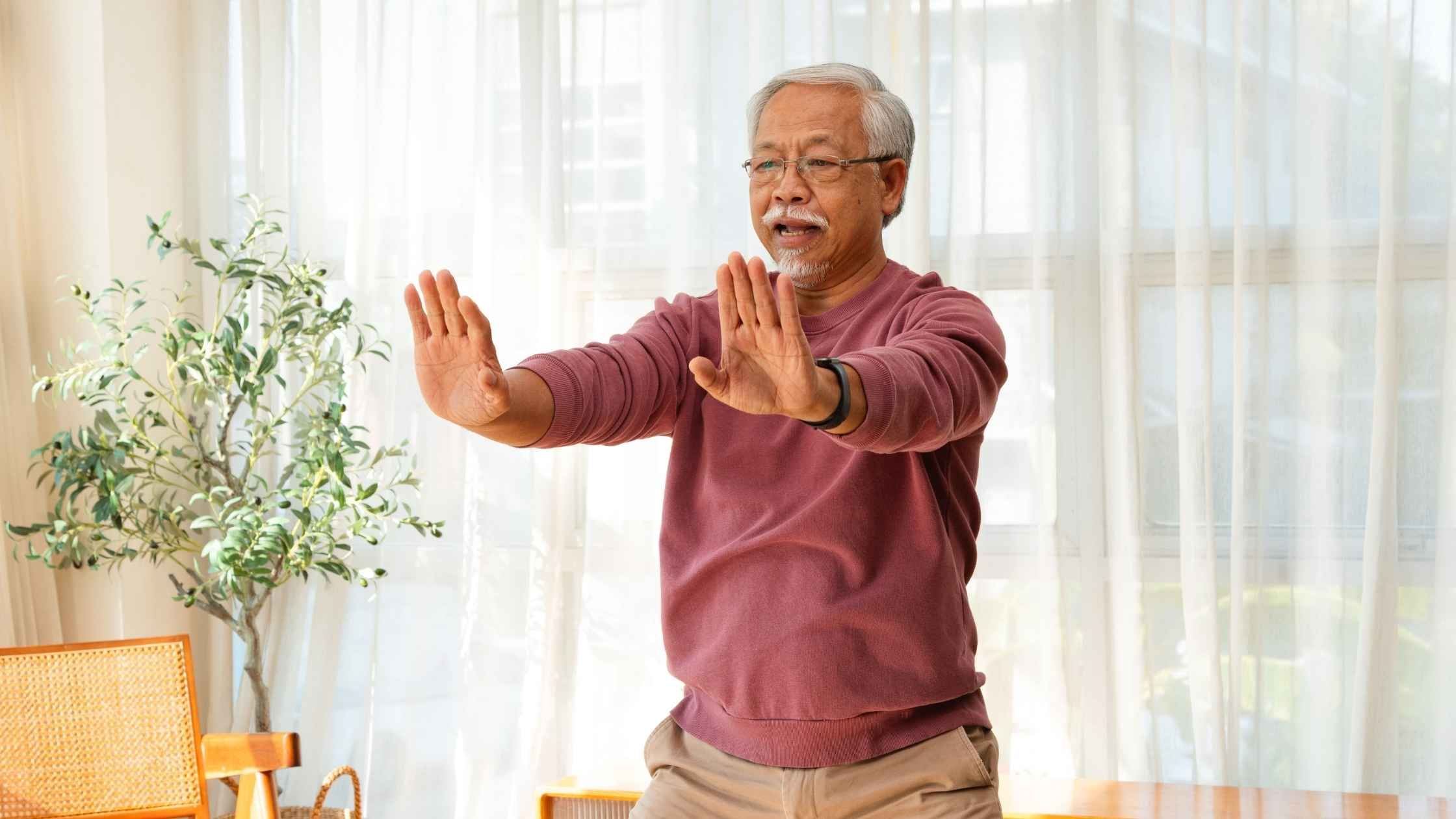
TCM traditionally recommends morning practice, when qi is rising with the sun. However, consistency matters more than timing. A regular routine at any hour delivers benefits, while sporadic practice, even at the "ideal" time, does not.
Who TCM Exercise Is For
TCM exercise welcomes practitioners across a wide spectrum of ages and abilities. The slow pace and adaptable movements mean you can modify practices to match your current abilities while still receiving meaningful benefits.
- Adults over 40 seeking low-impact alternatives to high-intensity workouts
- People with joint pain or mobility limitations who benefit from gentle movement
- Busy professionals wanting short, sustainable wellness routines
- Anyone curious about Eastern wellness without prior experience
You don't need flexibility, strength, or coordination to begin. The practice meets you where you are and grows with you over time.
Why Practice TCM Exercise with ZenFit
ZenFit bridges ancient wisdom and modern convenience, making tai chi and qigong accessible wherever you are. The app provides AI-personalized plans based on your body type and health goals, short daily sessions designed for busy schedules, step-by-step video guidance, and integrated tracking to monitor your progress.
| Feature | Traditional Learning | ZenFit App |
|---|---|---|
| Instruction format | In-person classes | On-demand video |
| Session length | Often 60+ minutes | 5-15 minutes |
| Personalization | One-size-fits-all | AI-tailored to your goals |
| Progress tracking | Self-monitored | Built-in health tracker |
Start Your Journey with ZenFit
Begin your path toward greater health and longevity with ZenFit's beginner-friendly tai chi and qigong programs. Whether you have five minutes or fifteen, you can start building the daily practice that supports lasting vitality.
FAQs About TCM Exercise and Longevity
Does one minute of exercise really add five minutes to your life?
While this claim circulates widely, longevity benefits come from consistent practice over time rather than minute-by-minute calculations. What matters most is building a sustainable daily habit that you maintain for months and years, not hitting a specific duration threshold.
How much Tai Chi and Qigong practice is needed for longevity benefits?
Research suggests regular practice matters more than session length. Brief daily sessions of five to fifteen minutes, maintained consistently over time, appear to deliver meaningful health improvements. The key is showing up regularly rather than practicing intensely but sporadically.
Can Tai Chi and Qigong replace Western-style workouts entirely?
Tai Chi and Qigong excel at balance, flexibility, stress reduction, and gentle strength-building. Those seeking significant cardiovascular conditioning or muscle hypertrophy may benefit from complementing tai chi with other activities. However, many practitioners find gentle arts sufficient for their wellness goals, especially as they age.
Is Tai Chi safe for people with arthritis or chronic joint pain?
Tai Chi is widely considered safe and often recommended for people with arthritis. The slow, controlled movements reduce joint stress while improving mobility and building strength around affected areas. Many rheumatologists and physical therapists suggest Tai Chi as a complementary practice for managing joint conditions.