7 Stress Relief Exercises to Help Reduce Stress Naturally
Published on July 9, 2026

Laura Mitchell
Laura is a wellness content creator specializing in holistic health and movement for healthy aging. As an expert in Tai Chi and Qigong, she passionately integrates Chinese wellness practices into her daily lifestyle.
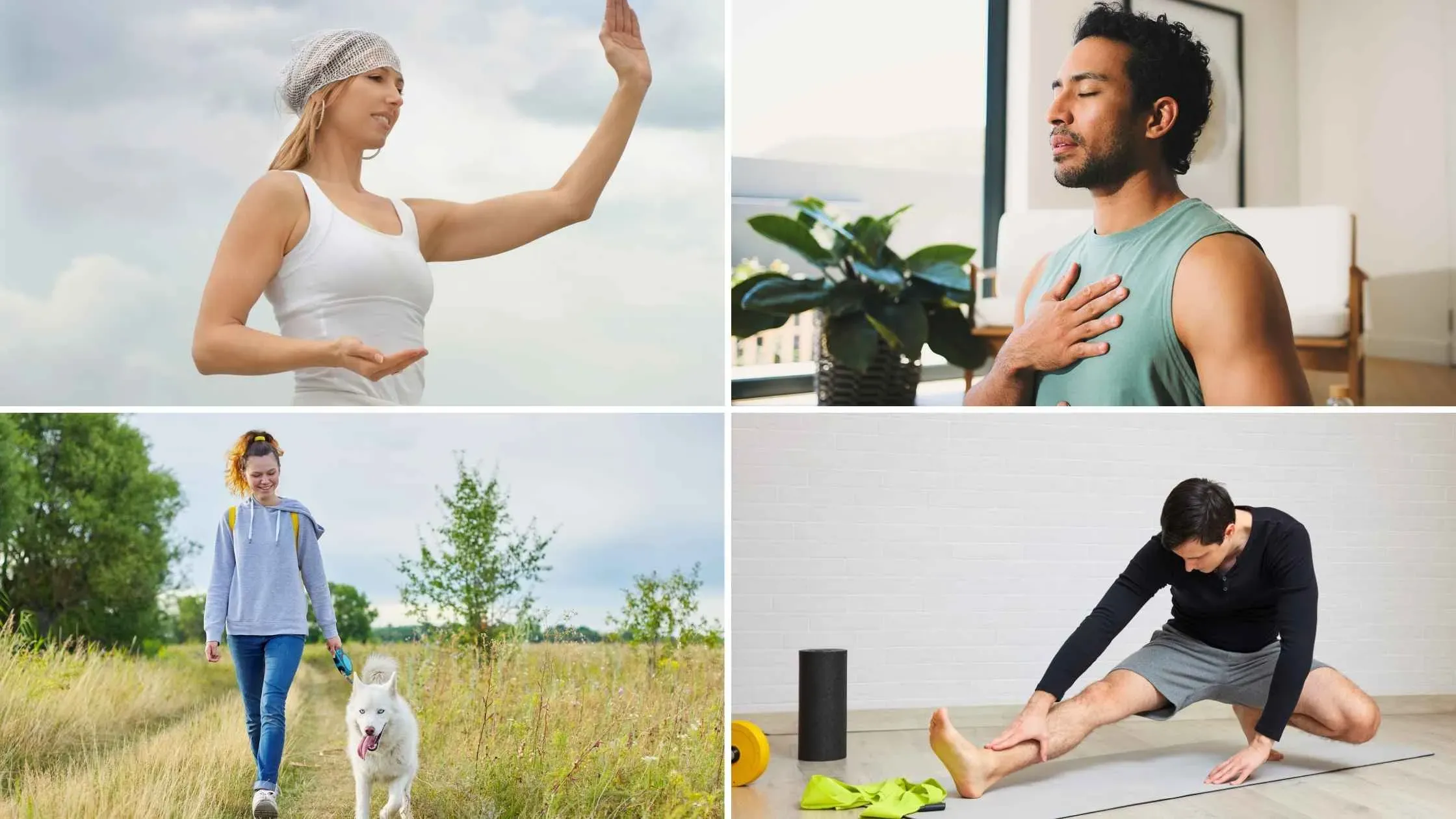
Table of Contents
- How Stress Relief Exercises Help You Relax Naturally
- 7 Best Stress Relief Exercises to Reduce and Manage Stress
- How to Build a Daily Stress Relief Exercise Routine
- Start Your Daily Stress Relief Routine with ZenFit
- Frequently Asked Questions
Modern life comes with constant demands. Work pressure, family responsibilities, digital overload, and everyday challenges can leave many people feeling mentally exhausted and physically tense. While stress is a natural response that helps the body handle challenges, ongoing stress may affect sleep quality, mood, energy levels, and overall well-being.
The good news is that managing stress doesn't always require drastic lifestyle changes. Simple stress relief exercises can be an effective way to reduce stress naturally and support both physical and mental well-being. Gentle movement, mindful breathing, and focused attention help activate the body's relaxation response—a physiological state that counterbalances the "fight-or-flight" stress response and promotes a sense of calm.
If you're looking for gentle, beginner-friendly ways to reduce stress naturally from the comfort of your home, the seven relaxation exercises below are an excellent place to start.
How Stress Relief Exercises Help You Relax Naturally
Managing stress isn't about eliminating every stressful situation—it's about improving how your body responds to life's everyday challenges.
When you're under stress, your heart rate increases, breathing becomes shallower, muscles tighten, and stress hormones prepare your body for action. Stress relief exercises work in the opposite direction by encouraging slower breathing, releasing muscle tension, and helping your nervous system shift into a calmer state known as the relaxation response.
The key to managing stress naturally is consistency. Rather than waiting until you feel overwhelmed, make relaxation exercises part of your daily routine. Even 10 to 15 minutes of gentle movement, mindful breathing, or other stress relief exercises can help build a habit that supports relaxation and overall well-being. Experts often recommend practicing relaxation techniques regularly to experience greater benefits over time.
7 Best Stress Relief Exercises to Reduce and Manage Stress
The best stress relief exercises for most beginners are low-impact mind-body practices—Tai Chi, Qigong, deep breathing, mindful stretching, walking meditation, progressive muscle relaxation, and gentle yoga. Unlike workouts that prioritize intensity or calorie burn, these exercises are designed to help reduce physical tension, encourage relaxation, and support healthy stress management.
| Exercise | Best for | Time needed | Equipment | Intensity |
|---|---|---|---|---|
| Tai Chi | Balance, focus, full-body calm | 10–15 min | None | Very low |
| Qigong | Energy, joint-friendly movement | 10–15 min | None | Very low |
| Deep breathing | Quick stress spikes, anywhere | 3–5 min | None | None |
| Mindful stretching | Desk tension, neck and back | 5–10 min | Mat (optional) | Low |
| Walking meditation | Mental fatigue, outdoor breaks | 10–20 min | Comfortable shoes | Low |
| Progressive muscle relaxation | Physical tension, before sleep | 10–15 min | Quiet space | None |
| Gentle yoga | Flexibility + breath coordination | 10–20 min | Mat (optional) | Low |
1. Tai Chi
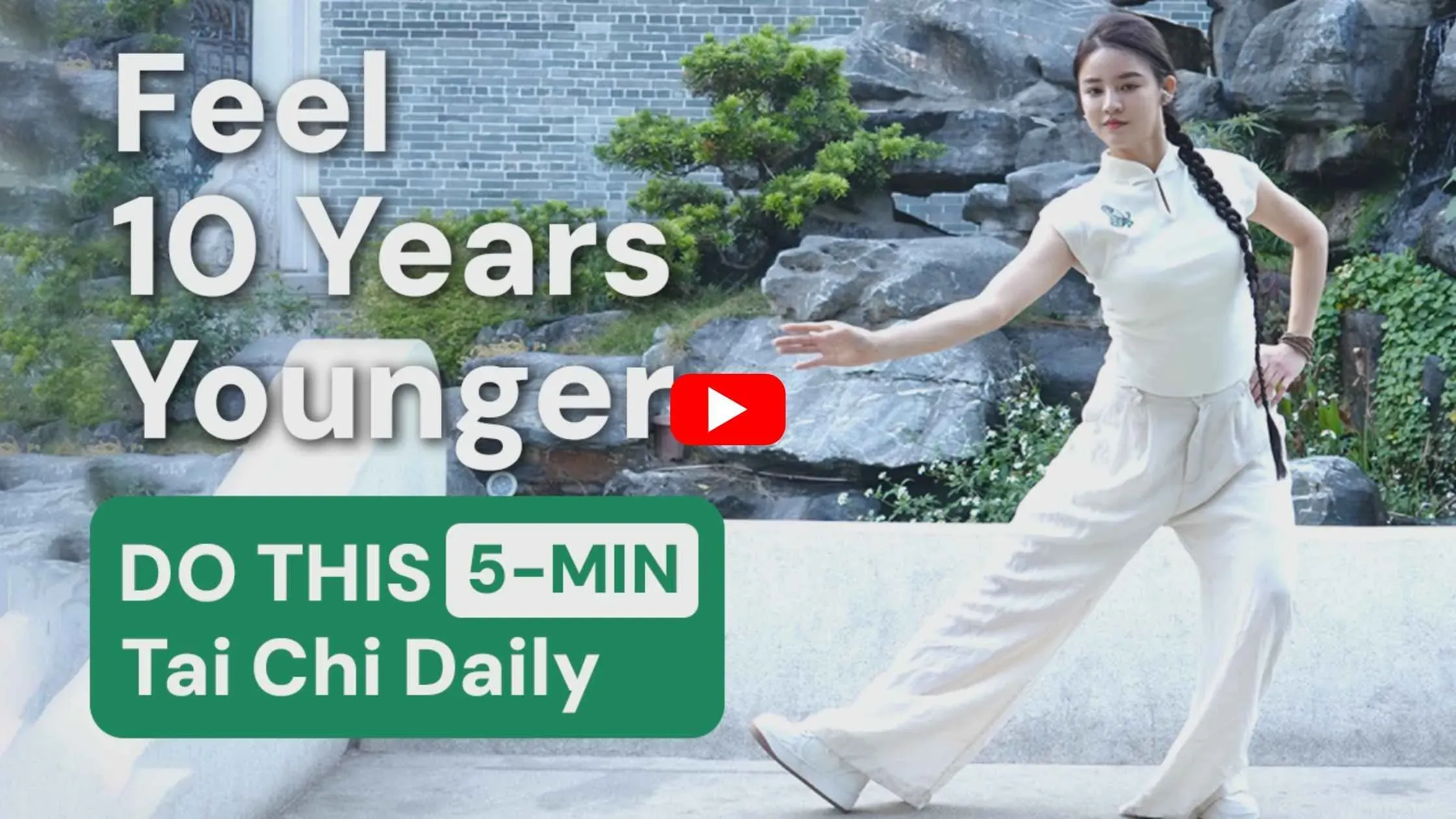
Often described as "meditation in motion," Tai Chi is an ancient Chinese mind-body exercise that combines slow, flowing movements with coordinated breathing and focused attention.
Unlike high-intensity workouts, Tai Chi encourages you to move mindfully. Each movement flows into the next, helping shift your attention away from racing thoughts and toward the present moment.
Tai Chi may be especially appealing if you:
- Prefer low-impact exercise
- Experience tension after long workdays
- Want to improve balance and posture while relaxing
2. Qigong
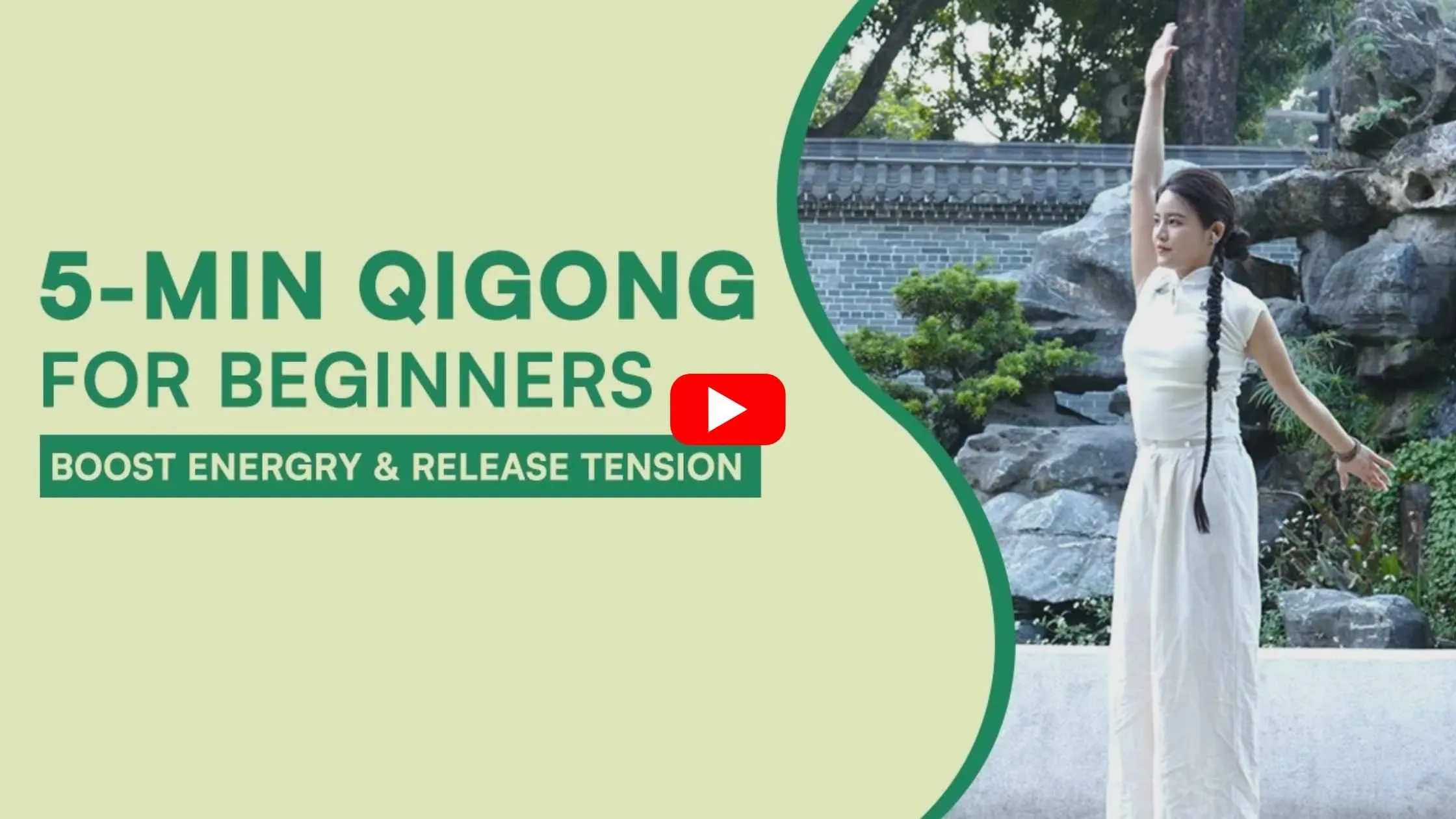
Closely related to Tai Chi, Qigong is another traditional Chinese mind-body practice that combines gentle movement, controlled breathing, and focused awareness.
People often choose Qigong because it is:
- Gentle on the joints
- Easy to modify for different fitness levels
- Relaxing after mentally demanding days
3. Deep Breathing Exercises
Deep breathing is the fastest stress relief exercise you can do anywhere. It slows your heart rate and activates the relaxation response within minutes.
When people feel stressed, breathing often becomes fast and shallow. Slow diaphragmatic breathing encourages a slower, deeper breathing pattern and helps activate the body's relaxation response. NCCIH notes that preliminary evidence suggests diaphragmatic breathing exercises may help reduce stress.
Try this simple breathing exercise:
- Sit comfortably with your shoulders relaxed.
- Place one hand on your abdomen.
- Inhale slowly through your nose for a count of four.
- Let your abdomen rise naturally.
- Exhale slowly through your mouth for a count of six.
- Repeat for 3–5 minutes.
This simple practice pairs especially well with Tai Chi and Qigong, creating a gentle routine that supports relaxation and helps you manage everyday stress.
4. Mindful Stretching
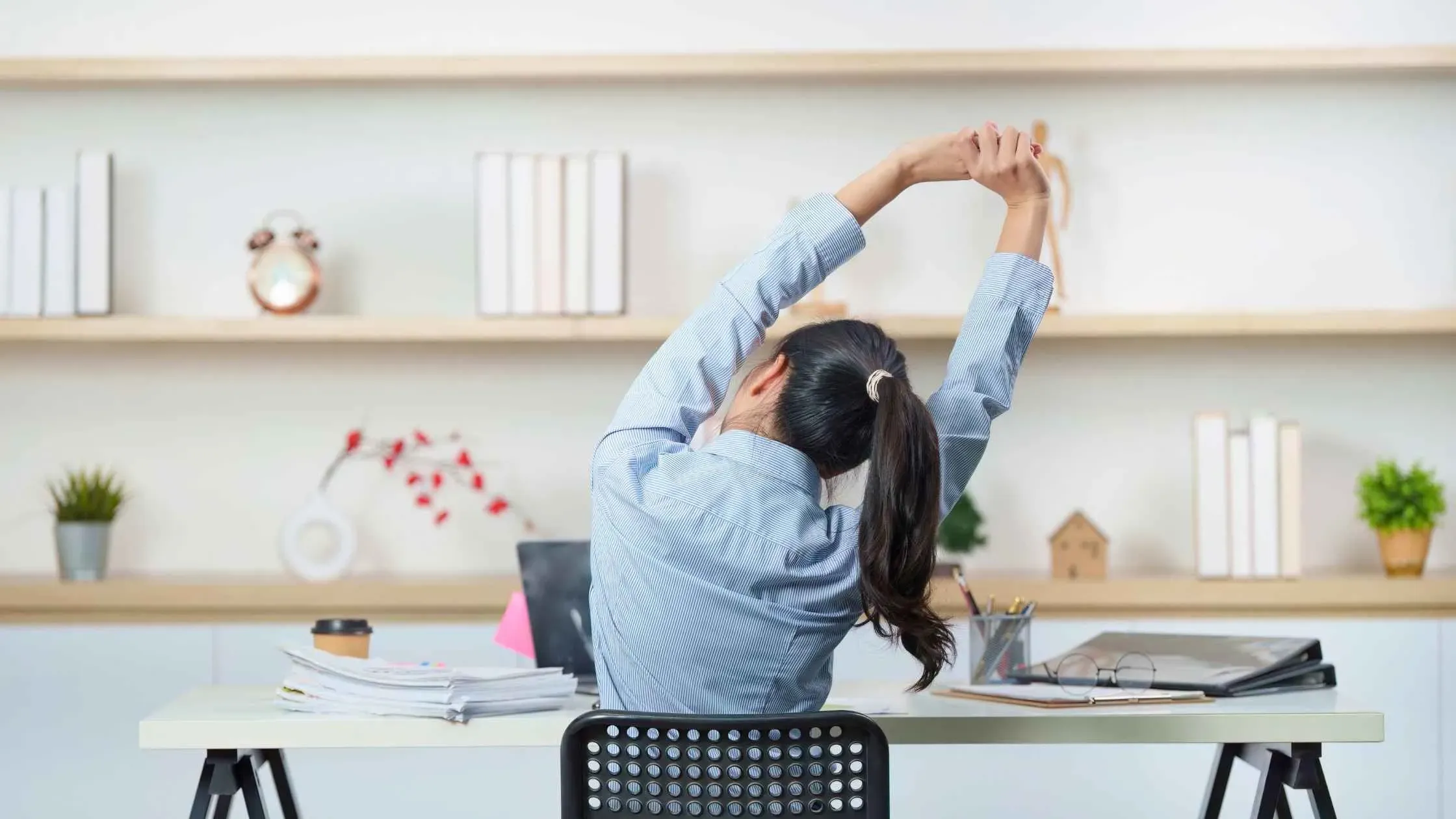
Stress often shows up physically before we notice it mentally. Tight shoulders, neck stiffness, and lower back tension are common signs of accumulated stress. Gentle stretching releases the physical tension stress stores in your body while keeping your attention on how your body feels right now.
Try movements such as:
- Neck rolls
- Shoulder stretches
- Cat-cow stretches
- Gentle spinal twists
- Hip-opening stretches
As you stretch, move slowly and coordinate each movement with steady, relaxed breathing. Rather than trying to increase flexibility, focus on how your body feels in the present moment.
5. Walking Meditation
Walking doesn't have to be another item on your fitness checklist. When practiced mindfully, a simple walk can become an effective relaxation exercise that helps you slow down and reconnect with the present moment.
Instead of focusing on distance or pace, walking meditation encourages you to bring your attention to each step, your breathing, and your surroundings. This shift in focus can help interrupt racing thoughts and create a greater sense of calm.
Try walking at a comfortable pace while noticing:
- The sensation of your feet touching the ground
- Your breathing rhythm
- The sounds around you
- The sights in your environment
Walking meditation can be practiced almost anywhere, whether you're taking a short break at work or enjoying time outdoors. It can be especially refreshing after long hours of working indoors.
6. Progressive Muscle Relaxation
Progressive Muscle Relaxation (PMR) is a relaxation technique that involves gently tensing and then relaxing different muscle groups throughout the body. By intentionally releasing muscle tension, PMR helps you become more aware of the difference between feeling tense and feeling relaxed. This exercise may be especially helpful for people who carry stress physically, such as tight shoulders, neck stiffness, or jaw tension.
A simple sequence might include:
- Face and jaw
- Neck and shoulders
- Arms and hands
- Abdomen
- Legs and feet
Gently tighten each muscle group for about five seconds before fully relaxing it. Move slowly through the body while breathing steadily, paying attention to the sensation of releasing tension. PMR works well as a bedtime stress relief exercise when racing thoughts keep you awake.
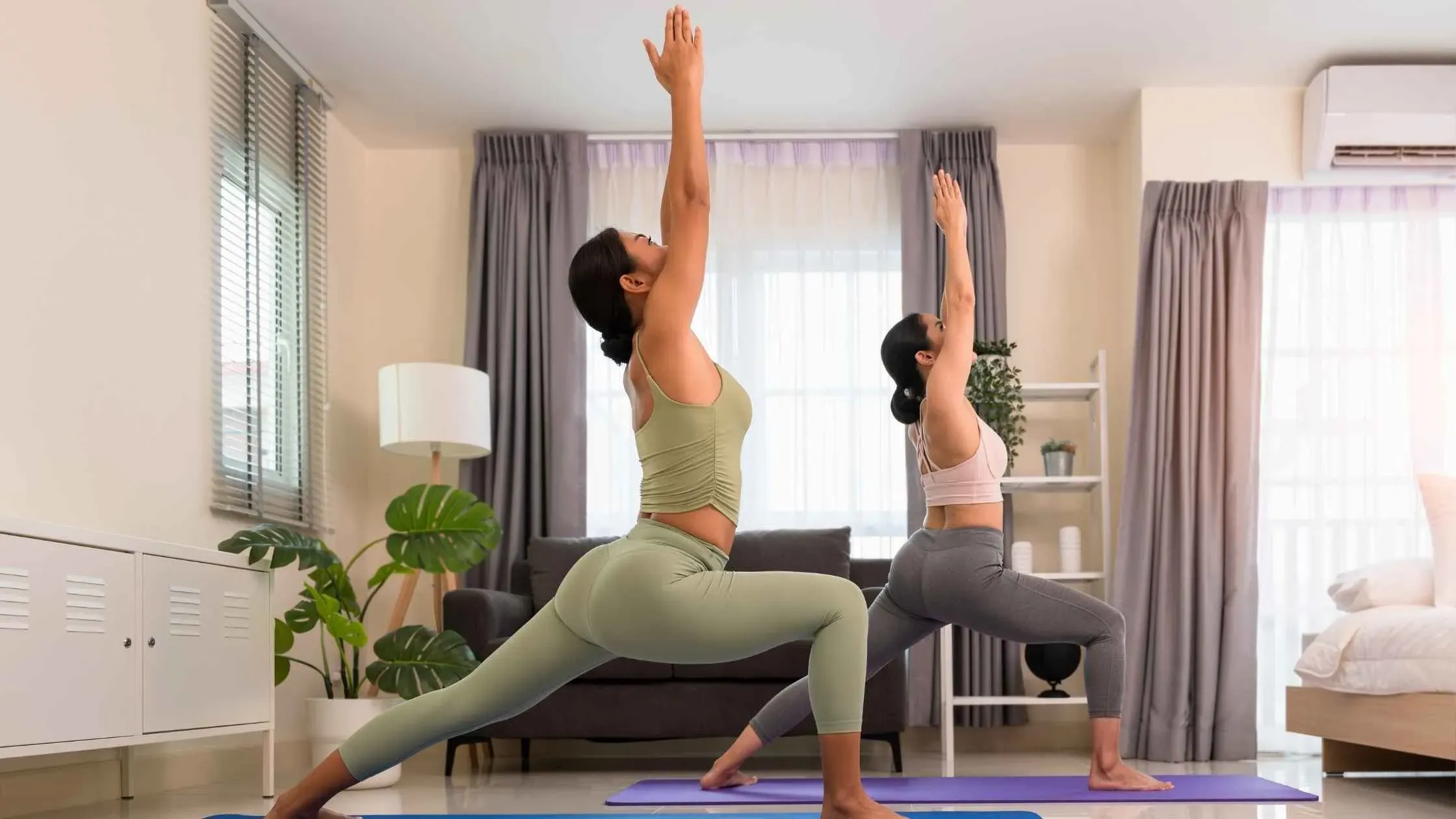
7. Gentle Yoga Flow
Unlike more physically demanding styles of yoga, gentle yoga focuses on accessible movements that are suitable for many beginners. Simple poses such as Child's Pose, Cat-Cow, and Mountain Pose can help release muscle tension while encouraging greater body awareness.
Like Tai Chi and Qigong, yoga emphasizes mindfulness rather than intensity. Coordinating movement with your breath can help create a calming rhythm, making gentle yoga another effective mind-body exercise for supporting relaxation and managing everyday stress.
How to Build a Daily Stress Relief Exercise Routine
Start with one exercise, practice at the same time each day, and keep sessions to 10–15 minutes until the habit feels automatic.
Not sure where to begin? Match the exercise to your moment:
Pair any movement-based exercise with slow breathing at the start and end of your session. Tracking your practice—even a simple daily checkmark—helps reinforce consistency over intensity.
Start Your Daily Stress Relief Routine with ZenFit
Managing stress doesn't have to involve intense workouts or complicated wellness programs. Sometimes, a few minutes of mindful movement and intentional breathing are enough to help you slow down, relax, and reconnect with your body.
Inspired by the principles of Tai Chi and Qigong, ZenFit offers guided, low-impact routines designed to make stress relief exercises part of your everyday life. Whether you have five minutes before work or want to unwind after a busy day, you'll find beginner-friendly sessions that combine gentle movement, mindful breathing, and balance into an easy daily habit.
Frequently Asked Questions
Deep breathing is usually the fastest option. Taking 3–5 minutes to slow your breath and focus on the present moment can help ease acute stress. For longer-lasting benefits, combine breathing with a daily mind-body practice such as Tai Chi or Qigong.
Yes. Tai Chi and Qigong are widely practiced as stress relief exercises because they combine gentle movement, controlled breathing, and focused attention. Their low-impact nature makes them a popular choice for beginners, older adults, or anyone seeking a gentler approach to movement.
Consistency is more important than intensity. Many relaxation exercises can be practiced for just 10 minutes a day, making them easy to incorporate into a regular routine. Whether you choose Tai Chi, Qigong, or mindful stretching, practicing at the same time each day helps build a sustainable habit.
Yes. A simple 15-minute routine might include 2 minutes of deep breathing, 10 minutes of Tai Chi or Qigong, and 3 minutes of mindful stretching. Layering practices often works better than relying on a single technique.
Many people manage everyday stress through healthy lifestyle habits such as regular physical activity, relaxation techniques, sufficient sleep, balanced nutrition, and social support. Stress relief exercises are one practical piece of that puzzle. If stress becomes persistent or overwhelming, it's important to speak with a qualified healthcare professional.
Medical note:
This article is for general educational purposes only and is not intended to replace professional medical advice, diagnosis, or treatment. If you have concerns about stress, anxiety, or any health condition, consult a qualified healthcare professional.