Best Apps for Stress Relief: Tai Chi, Meditation & Breathing Exercises
Published on June 25, 2026

Laura Mitchell
Laura is a wellness content creator specializing in holistic health and movement for healthy aging. As an expert in Tai Chi and Qigong, she passionately integrates Chinese wellness practices into her daily lifestyle.
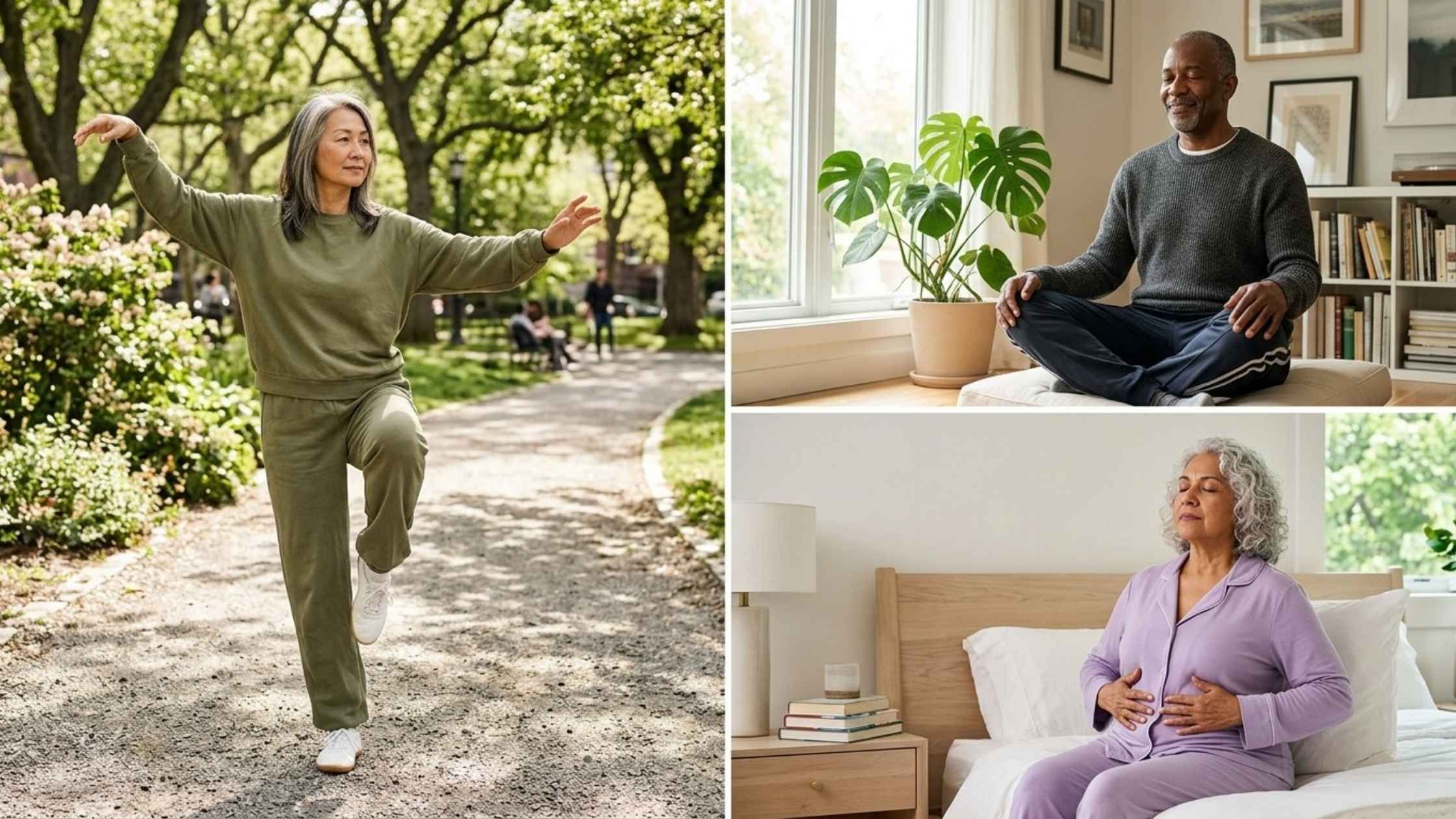
Table of Contents
- Introduction
- How to Reduce Stress Naturally
- Best Apps for Stress Relief
- How to Choose the Right Stress Relief App
- Frequently Asked Questions
- Start Your Stress Relief Journey with ZenFit
Introduction
Stress is a common experience in modern life. Work responsibilities,digital distractions, busy schedules, and everyday challenges can all contribute to feelings of mental and physical tension.
Many people now use stress relief apps as a convenient way to build healthier daily routines. These apps provide guided practices, including meditation, breathing exercises, and gentle mind-body movements, allowing users to practice relaxation techniques anytime and anywhere.
Among the many options available, Tai Chi and Qigong stand out as mind-body exercises that combine gentle movement, controlled breathing, and focused awareness. Often described as “meditation in motion,” these exercises encourage slow, intentional movements that connect physical activity with mindfulness.
How to Reduce Stress Naturally
Reducing stress naturally usually involves supporting both the body and the mind. While there is no single approach that works for everyone, several evidence-based lifestyle practices may help support a calmer mind and healthier stress response.
Slow, controlled breathing is commonly used in relaxation practices because breathing patterns are closely connected with the nervous system.
Many relaxation apps include guided breathing exercises that can be practiced in just a few minutes. These short sessions can be useful during daily transitions, such as after work, before sleep, or during stressful moments.
While breathing exercises alone are not a replacement for professional care when needed, they can be a simple tool to incorporate into a broader stress management routine.
Stress management is often more effective when healthy habits become part of daily life. A short daily practice of 5–15 minutes may be easier to maintain than occasional longer sessions. Choosing an activity that fits your lifestyle and feels enjoyable can make it easier to develop a sustainable habit.
Whether you prefer meditation, breathing exercises, or gentle movement, the most effective stress relief routine is usually the one you can continue practicing regularly.
Best Apps for Stress Relief
When choosing a stress relief app, look for programs that match your lifestyle, fitness level, and personal preferences. The best app is one that encourages regular practice and provides guidance you can follow comfortably.
1. Tai Chi & Qigong Exercise Apps
For people who prefer a movement-based approach to stress relief, Tai Chi and Qigong apps provide a unique combination of gentle exercise, breathing practice, and mindfulness. Research has explored the potential benefits of Tai Chi and Qigong for stress management, with studies suggesting these practices may support relaxation and psychological well-being.
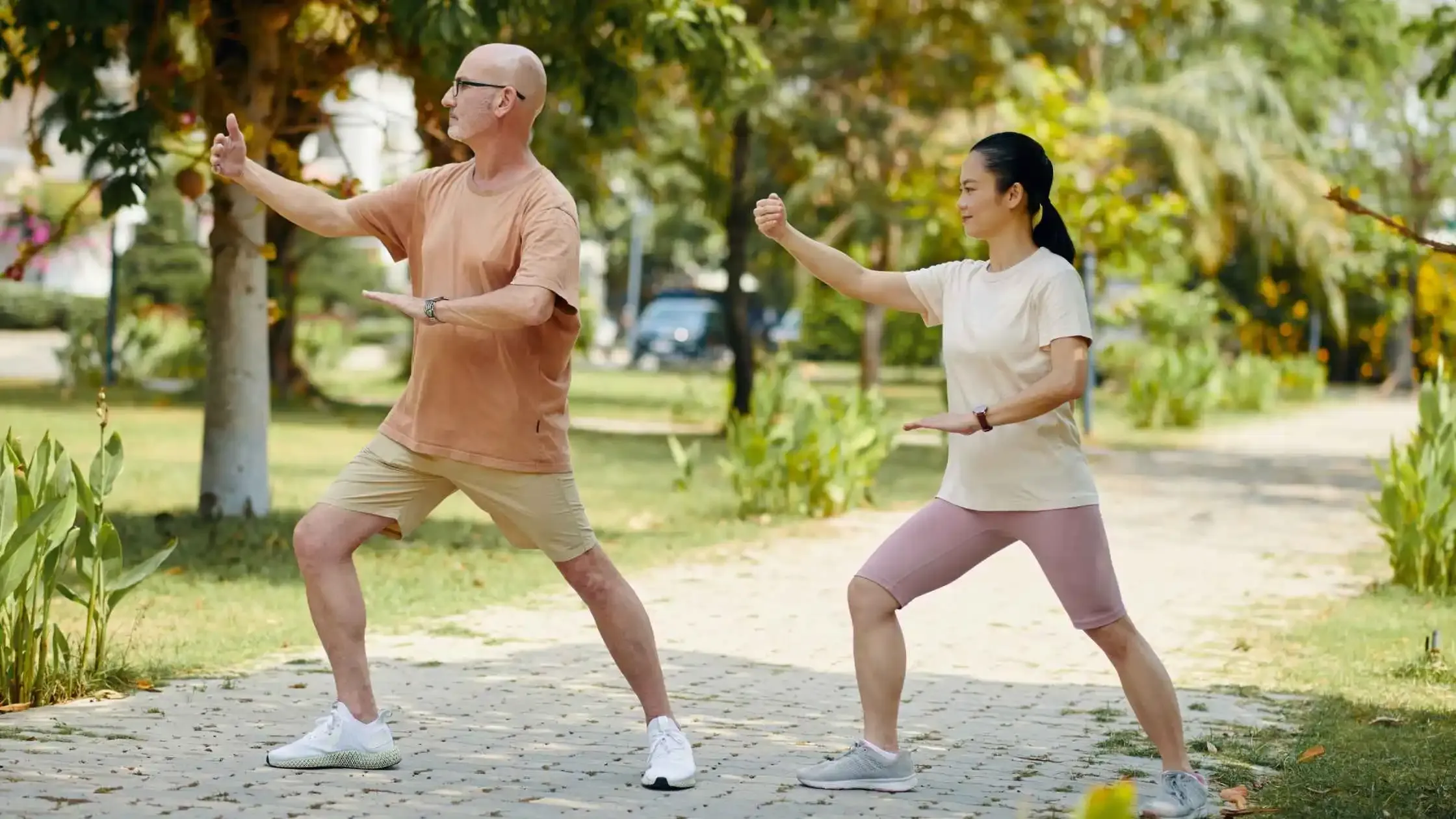
The app offers beginner-friendly routines, short daily sessions, and step-by-step video guidance, helping users incorporate mindful movement into their everyday wellness routine.
- People who prefer movement over seated meditation
- Beginners interested in Tai Chi or Qigong
- Adults looking for low-impact wellness routines
- Anyone who wants a simple stress relief habit
2. Meditation and Mindfulness Apps
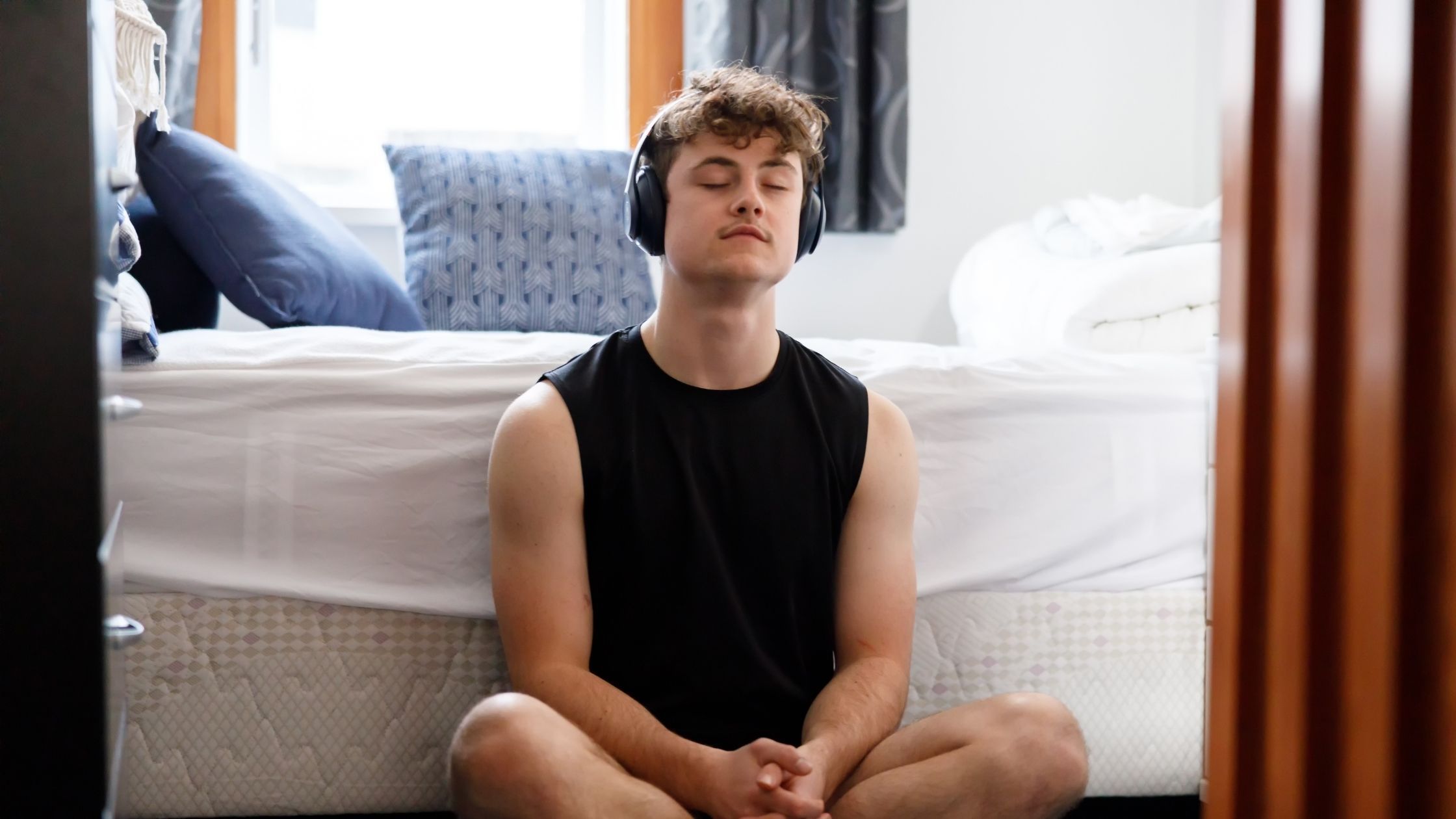
Meditation and mindfulness apps are another popular option for people looking to develop stress management habits. They primarily focus on mental training through guided meditation, body scans, and relaxation practices.
Headspace is one of the well-known meditation apps, offering guided meditations, mindfulness exercises, sleep resources, and stress management programs. The app provides structured sessions designed for beginners, including short practices that can be added to a busy daily schedule.
- People who prefer quiet, seated mindfulness practices
- Beginners looking for guided meditation guidance
- Users interested in relaxation, sleep support, and mindfulness training
Tip: Some people find traditional seated meditation challenging, especially when they have difficulty staying still or focusing. For those users, moving meditation practices such as Tai Chi may feel more natural.
3. Breathing and Relaxation Apps
Breathing exercises are one of the simplest relaxation techniques to incorporate into daily life. They require no equipment and can often be practiced in just a few minutes.
Breathing techniques are commonly included in mindfulness and relaxation programs because breathing awareness can help people become more connected with their physical and emotional state.

Breathwrk is a breathing-focused wellness app that provides guided breathing exercises for goals such as stress relief, relaxation, sleep, and focus. The app includes short, guided sessions with visual and audio instructions, making it easier for beginners to practice breathing exercises without needing prior experience.
- People who want quick relaxation exercises
- Users looking for short stress resets during the day
- Beginners who prefer simple guided practices
How to Choose the Right Stress Relief App
With many stress relief apps available, choosing the right one depends on your personal needs and preferred approach.
Different types of apps support different stress management styles:
- Active movement → Tai Chi, Qigong practices
- Quiet reflection → meditation and mindfulness
- Short relaxation exercises → breathing techniques
A good stress relief app should make the practice easy to understand, especially for beginners.
For movement-based practices, clear demonstrations and step-by-step instructions can help users learn proper techniques and build confidence.
For meditation and breathing practices, guided sessions can make it easier to stay consistent.
The best stress relief app is not necessarily the one with the most features — it is the one you will actually use consistently.
A sustainable routine may look different for everyone. Some people may benefit from a 10-minute Tai Chi session in the morning, while others may prefer a short meditation or breathing exercise before bed.
Choose an approach that fits naturally into your lifestyle.

Frequently Asked Questions
The best stress relief app depends on your personal preferences and goals. For people who enjoy gentle movement, Tai Chi and Qigong apps can provide a combination of physical activity, breathing, and mindfulness. Meditation apps may be a better fit for those who prefer quiet reflection, while breathing apps are useful for short relaxation exercises throughout the day.
Tai Chi is a mind-body exercise that combines slow movements, breathing, and focused attention. Research has examined Tai Chi’s potential effects on stress management and psychological well-being. Some studies suggest Tai Chi may help support relaxation and reduce perceived stress, although more research is still needed to understand its effects across different populations.
Qigong is generally considered a beginner-friendly practice because many movements are gentle, adaptable, and performed at a slow pace. Many people begin with simple guided routines that focus on breathing, posture, and body awareness before progressing to more complex practices.
There is no single required duration. Starting with a few minutes per day and building a consistent routine can be a practical approach. Many guided wellness apps offer short sessions that make daily practice easier.
Stress relief apps can support healthy habits, but they are not a replacement for professional medical or mental health care. If stress feels overwhelming or affects daily functioning, consider speaking with a qualified healthcare professional.
Start Your Stress Relief Journey with ZenFit
Stress relief does not always require complicated routines. Sometimes, a few minutes of mindful movement and breathing can become a meaningful daily reset.
If you are looking to incorporate Tai Chi and Qigong into your stress relief routine, ZenFit offers guided low-impact sessions inspired by traditional Chinese wellness practices.
Start building a calmer daily routine with ZenFit and discover how gentle movement can become part of your overall wellness journey.