
7 Chinese Medicine Principles for Optimal Digestive Health

Laura Mitchell
Wellness content creator with a background in holistic health and movement for healthy aging.

This guide covers seven core TCM principles for digestive health, from favoring warm foods to balancing the five flavors, along with supportive herbs and practical ways to apply this wisdom daily.
What Is Digestive Health in Traditional Chinese Medicine
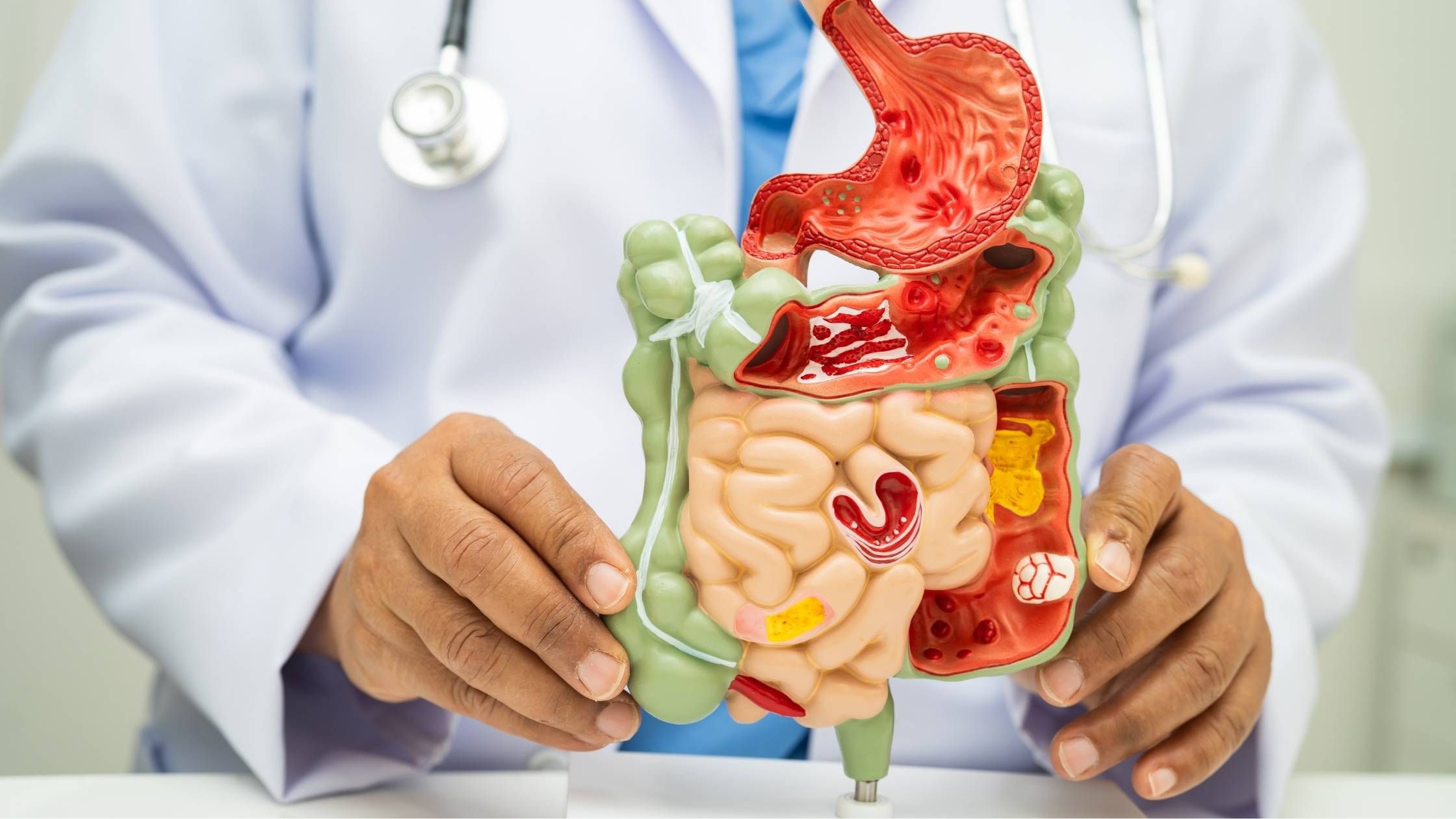
Western medicine focuses on breaking down nutrients. TCM takes a different angle, emphasizing qi transformation—how well your body converts food into vital energy. Qi is the life force flowing through everything you do, and healthy digestion means efficiently turning meals into this sustaining power.
The Middle Burner, sometimes called the Middle Jiao, is the energetic center where transformation happens. Picture it as the metabolic engine between your chest and navel. When it runs smoothly, you feel energized after eating. When it struggles, heaviness and fatigue follow.
How the Spleen and Stomach Support Digestion in TCM
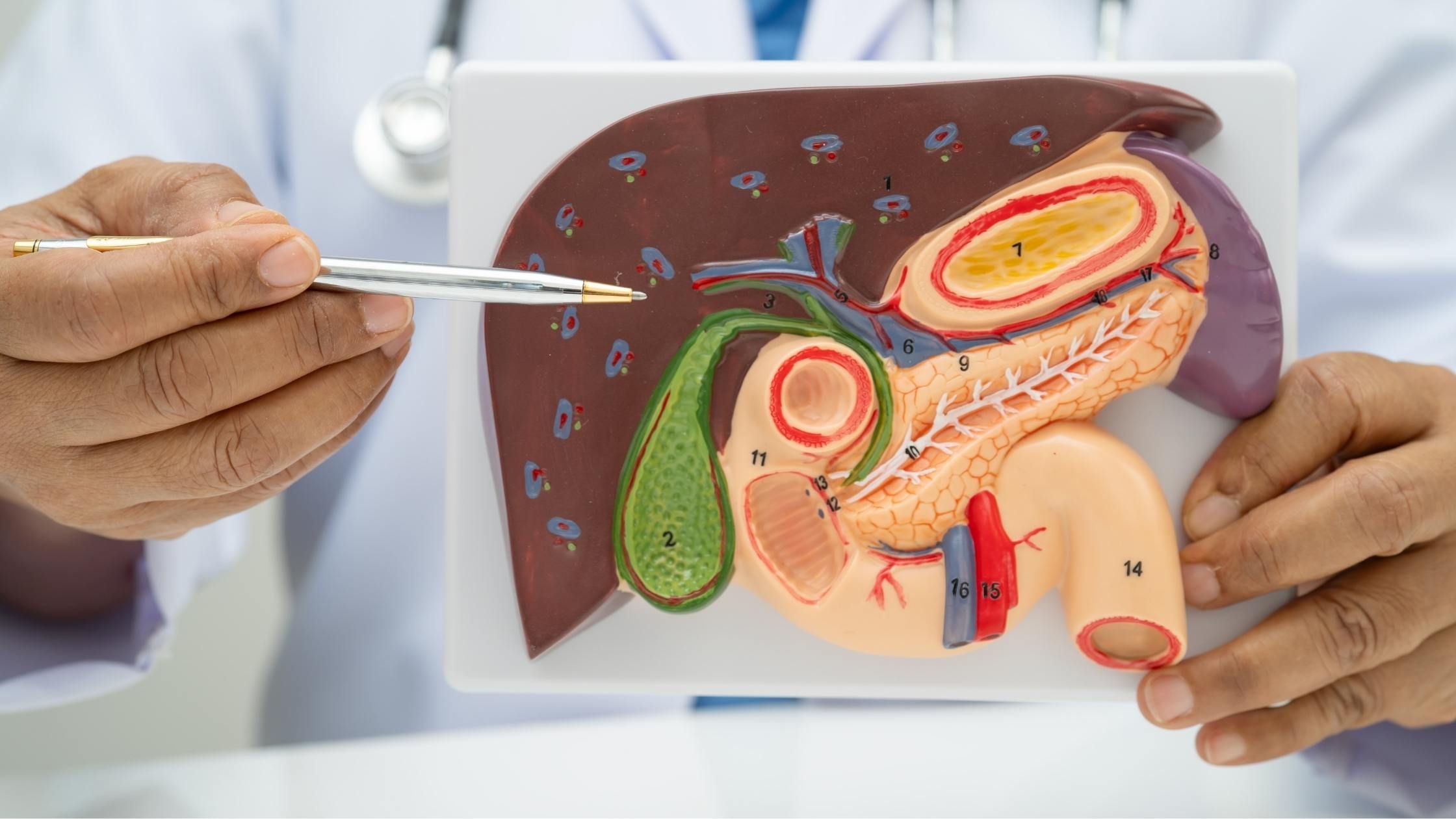
When a practitioner talks about strengthening the Spleen, they mean supporting your ability to extract energy from food and move it where it's needed. A balanced Spleen-Stomach relationship shows up as steady energy, clear thinking, and comfortable digestion after meals.
| Organ | TCM Function | Signs of Imbalance |
|---|---|---|
| Spleen | Transforms food into qi and blood | Fatigue, bloating, loose stools |
| Stomach | Receives food and begins breakdown | Nausea, poor appetite, acid reflux |
Signs of Digestive Imbalance in Chinese Medicine
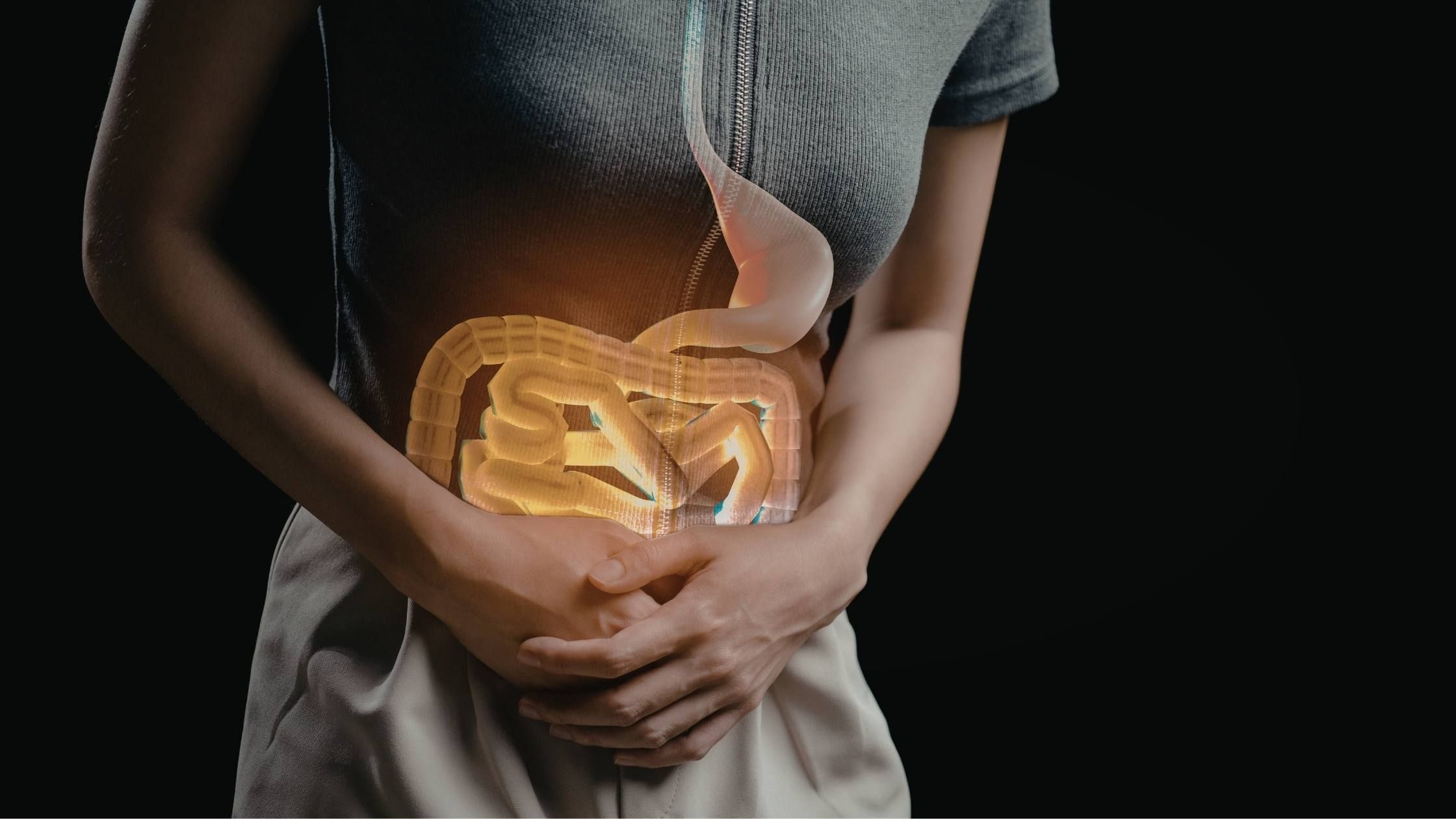
Bloating and Heaviness After Meals
That brick-in-the-stomach feeling usually points to Spleen qi deficiency or dampness accumulation. Your body is struggling to transform what you ate, and the digestive fire isn't quite strong enough to do its job.
Fatigue and Brain Fog
If eating leaves you tired rather than energized, your Middle Burner may not be producing enough qi. Both mental cloudiness and physical exhaustion can trace back to digestion that isn't pulling its weight.
Irregular Bowel Movements
Loose stools often signal Spleen weakness. Constipation might suggest heat or stagnation. The specific presentation matters, which is why TCM practitioners ask detailed questions about timing, consistency, and accompanying symptoms.
Weak Appetite or Intense Cravings
A persistently weak appetite suggests depleted Stomach qi—the system simply isn't ready to receive more food. Intense cravings, meanwhile, often reflect imbalances your body is trying to correct, though not always in helpful directions.
The 7 Principles of Chinese Nutrition for Healthy Digestion
Each principle below addresses a different aspect of supporting digestive fire and Spleen-Stomach harmony. Together, they form a practical framework drawn from thousands of years of observation.
1. Favor Warm and Cooked Foods Over Cold and Raw
The Spleen thrives on warmth. Cold and raw foods demand extra digestive fire, and over time, that extra demand can weaken the whole system. Soups, steamed vegetables, and room-temperature water all support digestion rather than burden it.
This doesn't mean salads are forbidden. Making cooked foods the foundation of most meals simply gives your Middle Burner less work to do, leaving more energy for everything else.
2. Eat According to the Seasons
TCM aligns eating with nature's rhythms. Your body has different requirements in winter than in summer, and seasonal eating honors those shifts naturally.
-
Spring: Leafy greens and sprouts support rising energy and liver function
-
Summer: Cooling foods like cucumber and watermelon help balance heat
-
Autumn: Moistening foods like pears protect the lungs as air turns dry
-
Winter: Warming soups, root vegetables, and slow-cooked meals build reserves
3. Choose Foods Based on Their Energetic Properties
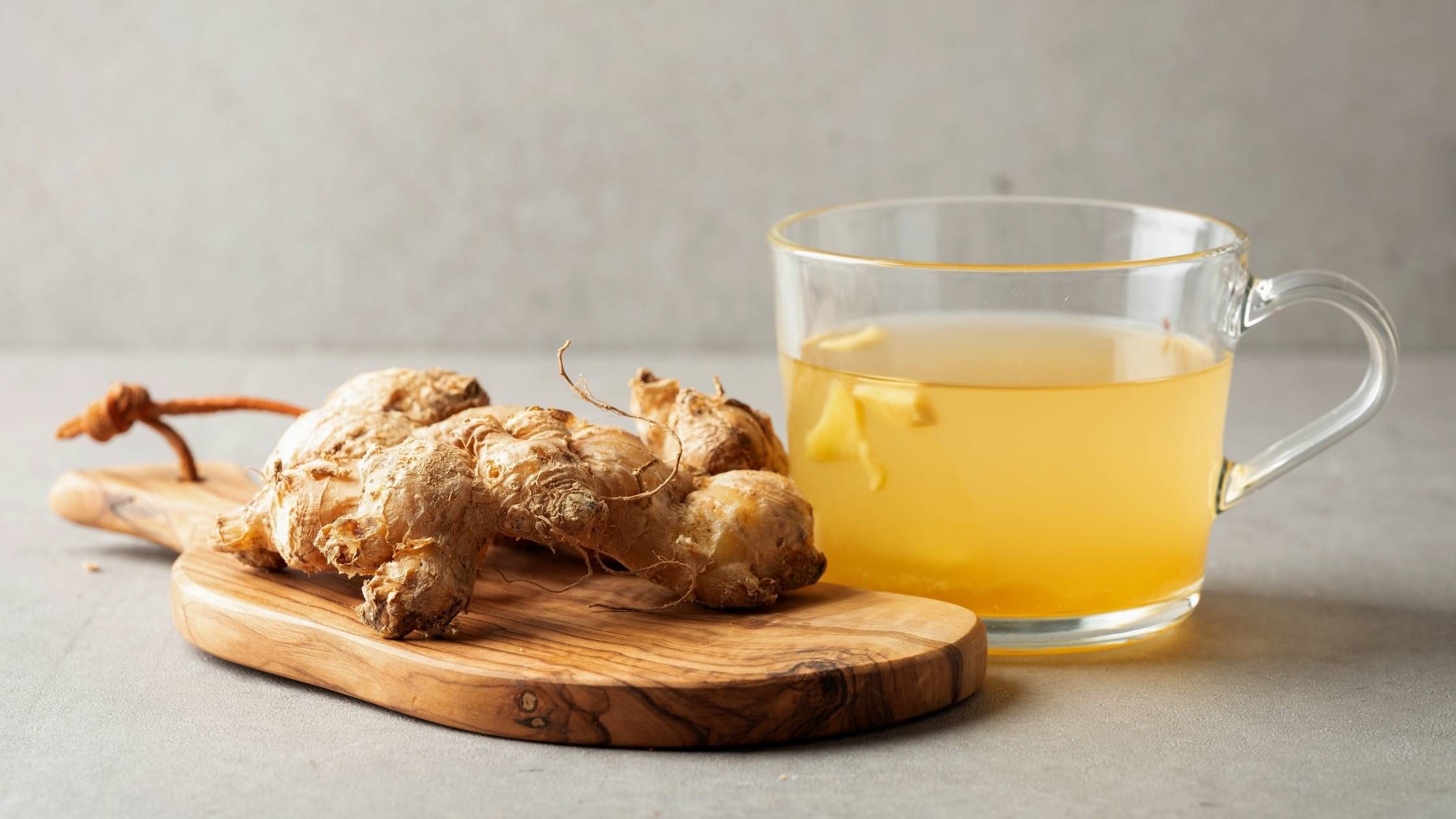
Every food carries a thermal nature—hot, warm, neutral, cool, or cold—plus flavors that affect specific organs. Ginger warms. Watermelon cools. Knowing a food's energetic quality helps you pick options that balance your current state rather than push you further off-center.
For someone who runs cold and has weak digestion, adding warming foods like ginger, cinnamon, or cooked root vegetables makes sense. Someone who tends toward heat might benefit from more neutral or cooling choices.
4. Practice Mindful and Unhurried Eating
How you eat matters as much as what you eat. Chewing thoroughly starts digestion in the mouth and signals the Stomach to prepare for incoming food. Eating without distractions allows your body to focus resources on processing the meal.
Tip: Congee, a simple rice porridge, is considered one of the most healing foods for weak digestion in TCM. It absorbs easily and can be customized with warming spices like ginger or cinnamon.
5. Strengthen Spleen Qi with Nourishing Foods
Certain foods gently build digestive strength over time. Rice, sweet potato, squash, oats, and cooked carrots all tonify Spleen qi. They digest easily and provide steady energy without taxing the system.
The key is consistency. Eating Spleen-supportive foods regularly, rather than occasionally, allows gradual strengthening that compounds over weeks and months.
6. Avoid Dampness-Producing Foods
"Dampness" in TCM describes a pathological accumulation that clogs digestion—think of it as metabolic sludge slowing everything down. Foods that generate dampness include excessive dairy, greasy or fried items, refined sugar, and too many raw foods eaten regularly.
Signs of dampness include heavy limbs, foggy thinking, and a thick coating on the tongue. Reducing dampness-producing foods while adding options that drain dampness—like barley or adzuki beans—can help clear the pattern.
7. Balance the Five Flavors to Harmonize Digestion
The five flavors—sweet, sour, bitter, pungent, and salty—each influence different organs and produce distinct digestive effects. Balanced meals incorporate several flavors rather than leaning heavily on just one.
| Flavor | Associated Organ | Digestive Effect |
|---|---|---|
| Sweet | Spleen/Stomach | Tonifies and harmonizes |
| Sour | Liver | Astringes and preserves fluids |
| Bitter | Heart | Drains dampness and heat |
| Pungent | Lungs | Moves qi and disperses stagnation |
| Salty | Kidneys | Softens and moistens |
Most Western diets skew heavily sweet and salty. Adding bitter greens, sour fermented foods, and pungent aromatics like garlic or onion creates better balance.
Chinese Herbs for Digestion and Natural Gut Healing
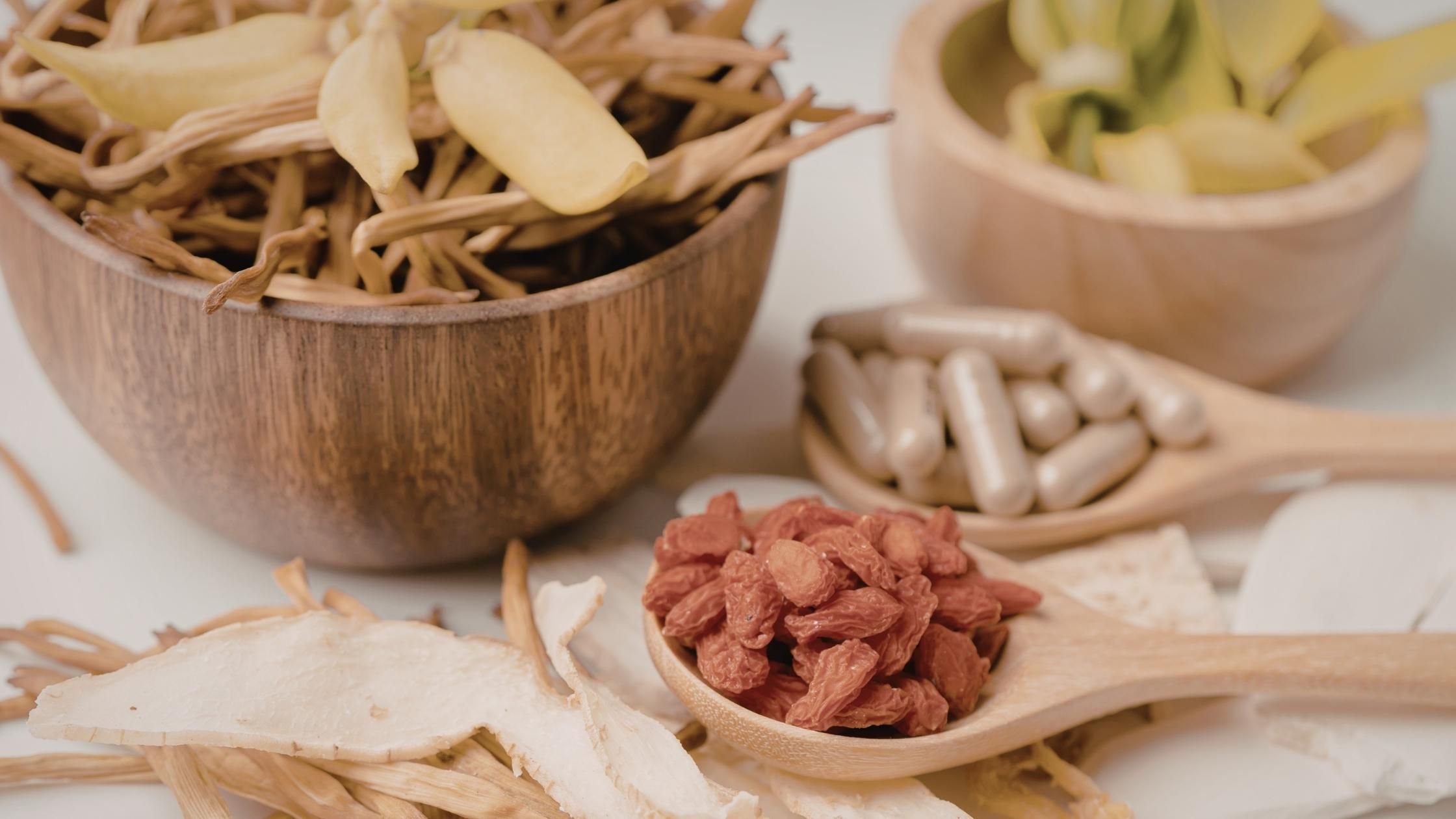
Ginger for Warming the Stomach
Licorice Root for Soothing Inflammation
Often called the "peacemaker" in herbal formulas, licorice root harmonizes other herbs while soothing the digestive tract. It appears in many classical formulas for exactly this balancing quality.
Hawthorn Berry for Relieving Food Stagnation
Traditionally used after heavy or greasy meals, hawthorn berry promotes digestion and helps move stagnant food through the system. It's particularly common after meat-heavy dishes.
Chen Pi for Moving Digestive Qi
Chen Pi is dried tangerine peel that regulates qi, reduces bloating, and dries dampness. It shows up in both culinary and medicinal applications throughout Chinese culture, often added to soups and stews.
Science-Backed Benefits of TCM Nutrition for Digestive Health
Modern research increasingly supports what traditional practitioners have observed for centuries.
-
Warm foods support enzyme function: Body-temperature foods may optimize digestive enzyme activity compared to cold foods (1)
-
Mindful eating improves digestion: Slower eating and thorough chewing correlate with reduced bloating and better nutrient absorption (2)
-
Ginger aids gastric motility: Clinical research supports ginger's traditional use for nausea and digestive discomfort (3)
-
Seasonal eating aligns with nutritional needs: Evidence suggests eating seasonally provides nutrients the body requires during different times of year (4)
-
Anti-inflammatory herbs support gut health: Several Chinese herbs show gut-protective properties in laboratory and clinical studies (5)
How to Practice Chinese Medicine Digestion Principles Daily

-
Morning: Begin with warm water or ginger tea instead of cold beverages
-
Meals: Include at least one cooked dish and aim for multiple flavors
-
Eating habits: Set aside devices, chew thoroughly, stop at comfortable fullness
-
Seasonal awareness: Adjust food temperatures and types as seasons change
-
Weekly: Add one or two Spleen-supporting foods like sweet potato or squash
The goal isn't perfection. Even applying two or three principles consistently can shift how you feel after meals within a few weeks.
Why ZenFit Makes TCM Digestive Wellness Accessible

-
Personalized nutrition guidance based on TCM food energetics and your specific goals
-
Daily tips using ingredients you likely already have at home
-
Movement integration with gentle practices that support digestive qi flow
-
Progress tracking to observe energy and digestive improvements over time
Ready to Start Your Journey
Explore ZenFit's approach to TCM-based wellness and begin applying Chinese nutrition principles with guided support.
FAQs About Chinese Nutrition and Digestive Health
How long does it take to notice digestive improvements with TCM nutrition principles?
Most people notice subtle shifts in energy and comfort within two to three weeks of consistent practice. Deeper constitutional changes typically develop over several months as the body gradually rebuilds digestive strength.
Can TCM eating principles be followed with food allergies or dietary restrictions?
Yes. TCM nutrition focuses on thermal properties and balance rather than requiring specific foods. Principles like eating warm, cooked meals and balancing flavors apply within vegetarian, gluten-free, or any other dietary framework.
What is the connection between emotions and digestion in Chinese medicine?
TCM teaches that worry and overthinking directly weaken Spleen qi. Emotional stress often shows up as digestive symptoms—bloating, poor appetite, irregular bowels—especially during periods of mental strain.
How does gentle movement like Tai Chi support digestive health in TCM?
Tai Chi and Qigong promote smooth qi flow through the body, including the digestive organs. Regular practice helps resolve stagnation and supports the Spleen and Stomach's transformative functions, complementing dietary changes.