Tai Chi for Arthritis Relief: Reduce Joint Pain and Improve Mobility Naturally
Published on June 8, 2026 | Updated on June 25, 2026

Laura Mitchell
Laura is a wellness content creator specializing in holistic health and movement for healthy aging. As an expert in Tai Chi and Qigong, she passionately integrates Chinese wellness practices into her daily lifestyle.
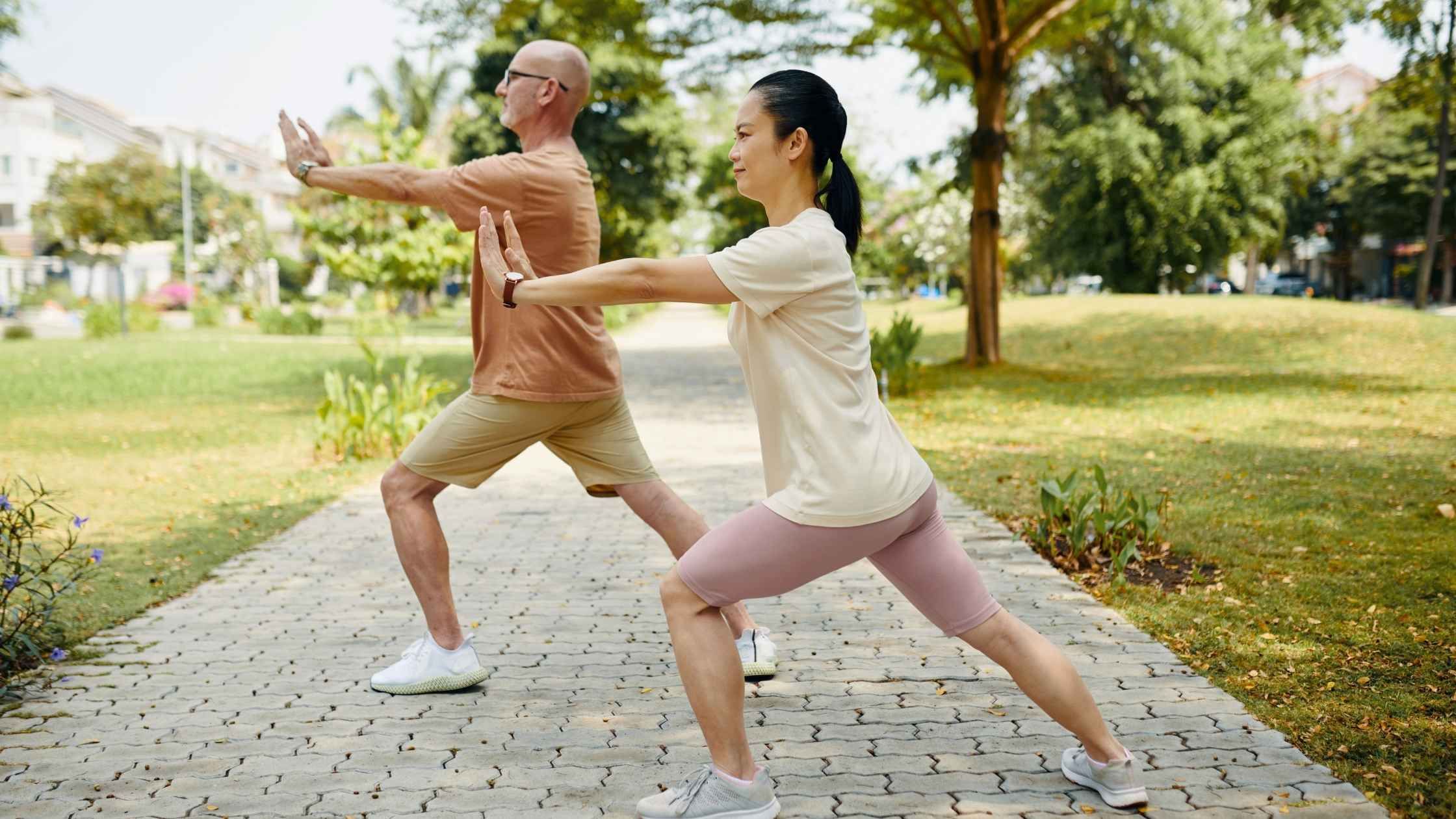
Table of Contents
- What Is Tai Chi and How Can It Help Arthritis?
- Why Is Tai Chi Good for Arthritis?
- How to Practice Tai Chi Safely
- How Often Should You Practice Tai Chi for Arthritis?
- Taking the First Step With Tai Chi for Arthritis
- FAQs
Living with arthritis can make everyday movement feel challenging. Joint pain, stiffness, and reduced mobility often create a frustrating cycle: discomfort makes you want to move less, but inactivity can worsen stiffness and make symptoms harder to manage over time.
Known for its slow, flowing movements, mindful breathing and body awareness, Tai Chi offers a gentle approach to physical activity that may help improve mobility, balance, flexibility, and overall quality of life for people living with arthritis.
In this article, we'll explore how tai chi can benefit people with arthritis, how beginners can get started safely, and simple ways to build a sustainable practice.
What Is Tai Chi and How Can It Help Arthritis?
Tai Chi is an ancient Chinese movement practice that combines gentle physical exercise, controlled breathing, and focused awareness. Originally developed as a martial art, it has evolved into one of the world's most widely practiced forms of mind-body exercise.
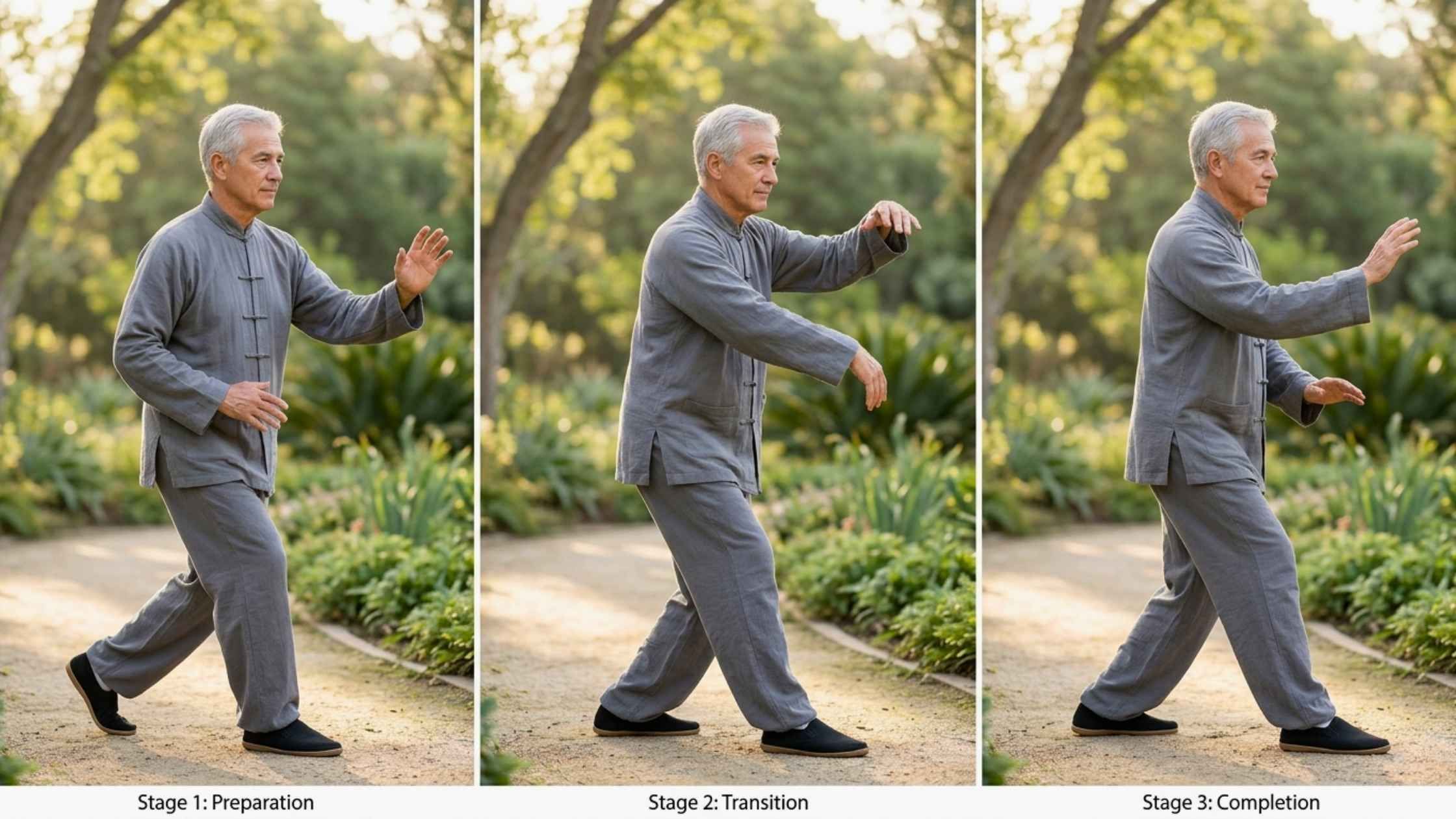
Unlike many fitness programs that emphasize intensity or exertion, Tai Chi focuses on slow, intentional movements performed with relaxation and control. Each movement flows smoothly into the next, encouraging coordination, balance, and awareness of posture.
Because Tai Chi places minimal impact on the joints, it is often recommended for older adults and individuals managing chronic conditions that affect mobility.
Why Is Tai Chi Good for Arthritis?
Arthritis affects more than just the joints. Pain can influence balance, confidence in movement, physical activity levels, sleep quality, and even emotional well-being.
Tai Chi addresses several of these challenges simultaneously by combining gentle movement, weight shifting, breathing exercises, and mindfulness. This combination may help support joint mobility, reduce stiffness, and improve overall physical function.
Healthy joints rely on regular movement to maintain mobility and function. When pain leads to inactivity, stiffness can increase and muscles around the joints may weaken.
Tai Chi encourages gentle, controlled movement through a comfortable range of motion, helping people stay active without placing excessive strain on sensitive joints.
Because Tai Chi movements are slow and low-impact, they can often be adapted to accommodate different levels of pain, mobility, and fitness.
People with arthritis often experience reduced balance due to joint pain, muscle weakness, or fear of falling.
Tai Chi incorporates deliberate weight shifting, postural awareness, and lower-body strength, all of which may help improve stability and confidence in everyday movement. This benefit is particularly important for older adults, as falls can have significant impacts on long-term health and independence.
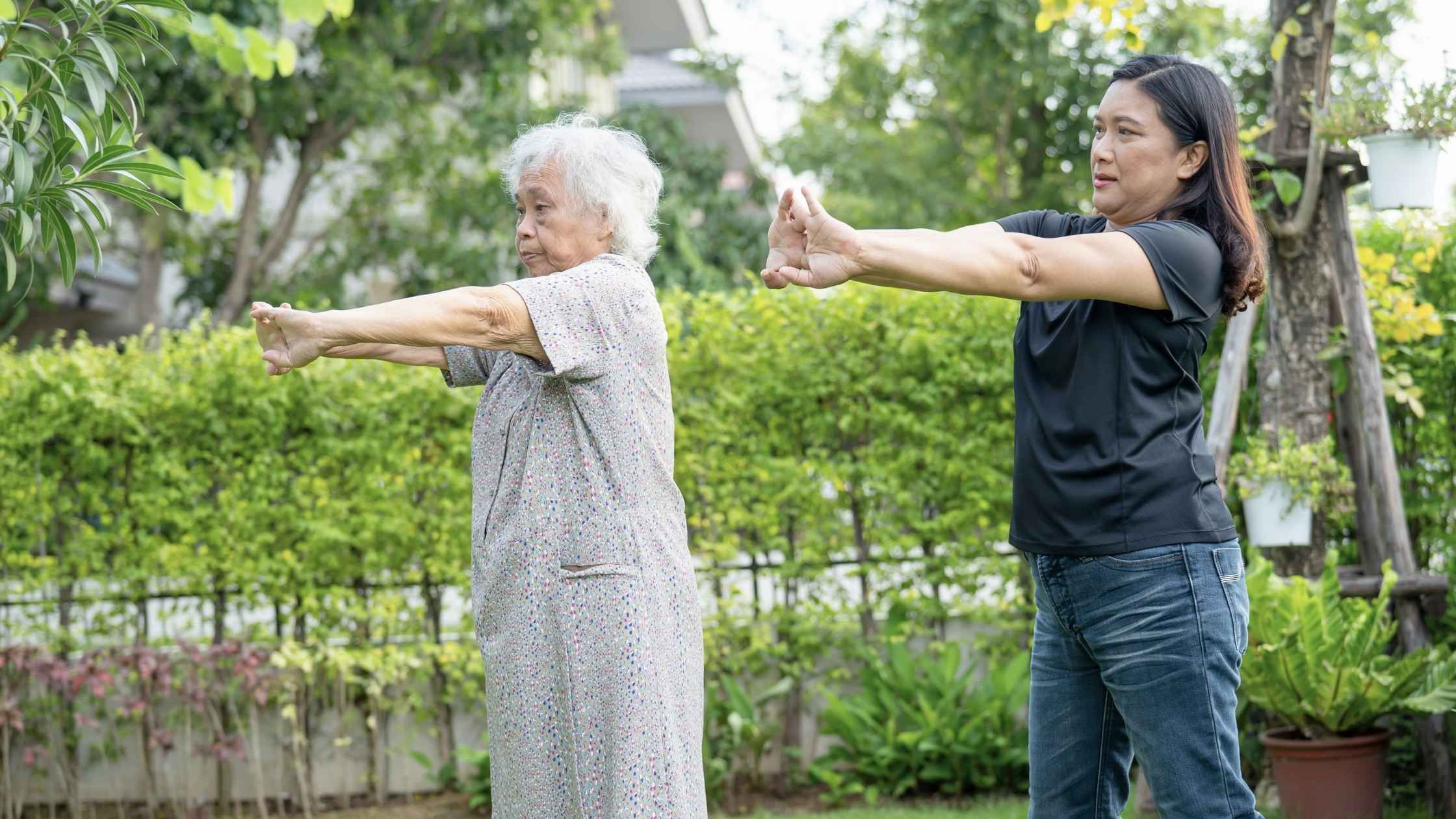
Joint stiffness is one of the most common complaints among people with arthritis.
The flowing nature of Tai Chi encourages gentle movement throughout the body, which may help maintain flexibility and make daily activities feel easier over time.
Living with chronic pain can be physically and emotionally exhausting.
One of the unique aspects of Tai Chi is that it trains both the body and mind. The combination of breathing, mindfulness, and movement may help reduce stress and promote a greater sense of calm. The NCCIH overview of Tai Chi notes that researchers continue to study its potential benefits for both physical and psychological health.
How to Practice Tai Chi Safely
One of the reasons Tai Chi has become so popular among people with arthritis is its adaptability. Movements can often be modified to suit different mobility levels, including seated variations when needed.
Starting a new movement practice can feel intimidating, especially if you're managing joint pain or limited mobility.
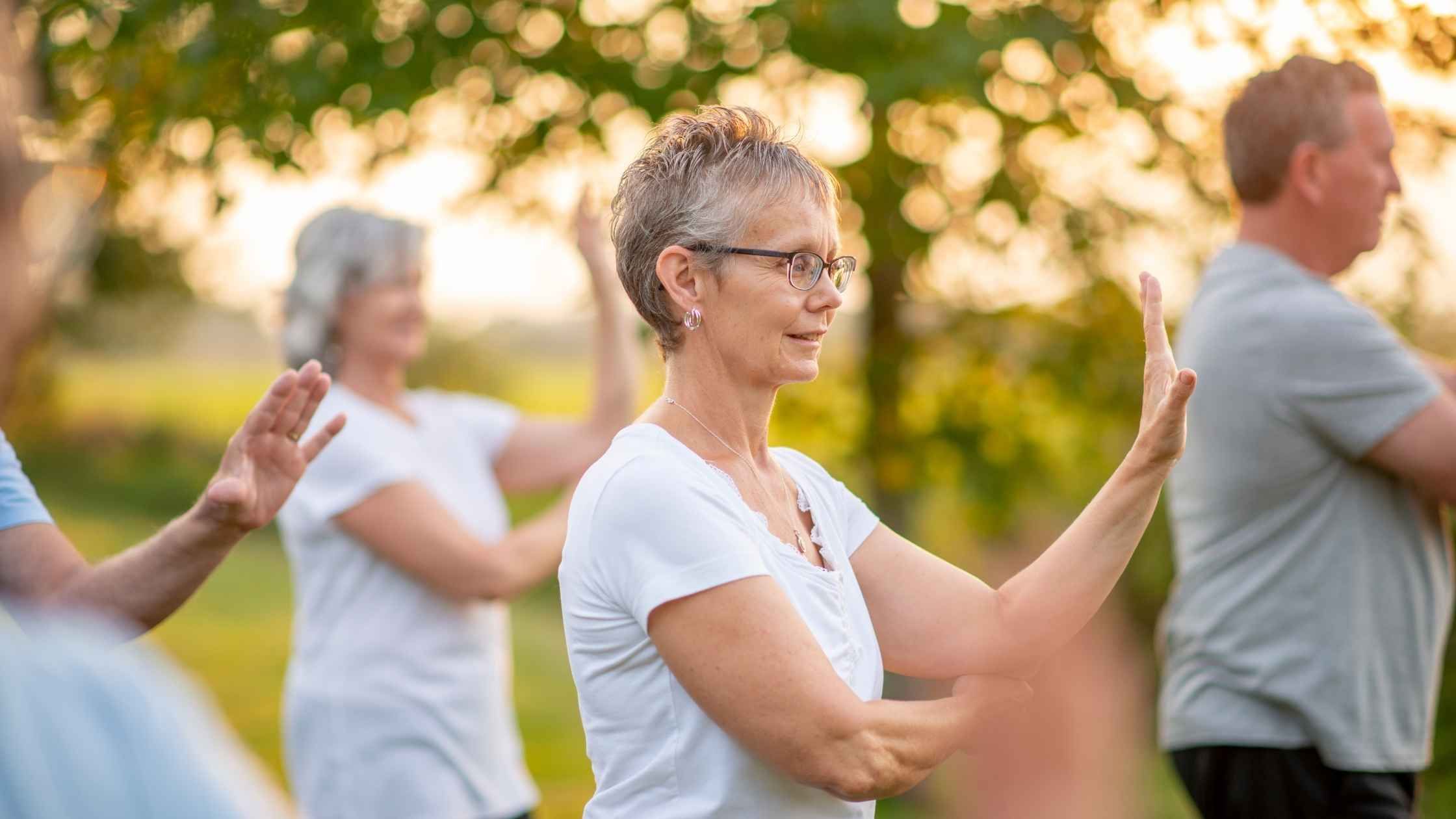
That's why many people find it easier to learn through guided sessions that provide clear instruction, gentle pacing, and modifications for different ability levels.

You don't need to practice for an hour to experience benefits. Many beginners start with just 10–15 minutes per day, focusing on learning basic movements and becoming comfortable with the flow of the practice.
Tai Chi should feel gentle and controlled. Avoid forcing movements or pushing through pain. Focus on moving smoothly and comfortably while maintaining relaxed breathing.
Proper alignment is a key part of Tai Chi. Rather than concentrating on how far you can move, focus on maintaining an upright posture and shifting your weight slowly and evenly.
Like most wellness practices, the benefits of Tai Chi come from regular participation rather than occasional long sessions.
Research studies commonly involve participants practicing two to three times per week, though many people enjoy shorter daily sessions.
For beginners, learning from structured instruction can make a significant difference.

How Often Should You Practice Tai Chi for Arthritis?
Studies examining the benefits of Tai Chi for arthritis often involve participants practicing two to three times per week. However, even shorter daily sessions can provide meaningful benefits when practiced consistently.
A sustainable routine might look like:
- Beginners: 10–15 minutes daily
- Intermediate practitioners: 20–30 minutes, 3–5 times per week
- Experienced practitioners: 30+ minutes most days
The best routine is one you can maintain comfortably over time.
Taking the First Step With Tai Chi for Arthritis
Tai Chi offers people with arthritis a gentle, accessible way to stay active while supporting joint health, balance, flexibility, and overall well-being. While it is not a cure for arthritis, research suggests that regular practice may help reduce pain, improve mobility, and make daily movement feel more comfortable.
Whether you're managing osteoarthritis, rheumatoid arthritis, or age-related joint stiffness, Tai Chi can be a valuable addition to a long-term wellness routine. The key is to start slowly, stay consistent, and choose a practice that feels supportive for your body.
FAQs
For many people, yes. Because Tai Chi is low-impact and adaptable, it is often recommended as a joint-friendly form of exercise. However, individuals with severe pain, recent injuries, or other medical conditions should consult a healthcare professional before beginning any new exercise program.
Tai Chi has been studied most extensively in people with osteoarthritis, particularly knee osteoarthritis. However, people with rheumatoid arthritis, psoriatic arthritis, and age-related joint stiffness may also benefit from gentle movement practices.
A good starting point is 10–15 minutes daily or two to three guided sessions per week. Consistency is generally more important than duration.
Many studies observe improvements after several weeks of regular practice. Individual results vary based on factors such as symptom severity, frequency of practice, and overall health.
No. Tai Chi is not a cure for arthritis. However, it may help manage symptoms, improve mobility, support balance, and contribute to overall physical and mental well-being when practiced consistently.
Medical Disclaimer
This article is intended for informational and educational purposes only and does not constitute medical advice, diagnosis, or treatment. Always consult your physician or another qualified healthcare provider before beginning any new exercise program, especially if you have arthritis, chronic pain, or other health concerns. Never disregard professional medical advice or delay seeking medical care because of information you have read in this article.